The JOEPAI stainless steel monoblock ball valve is specifically designed for precise flow control of liquids and gases. Its single-piece body construction ensures high leak-tightness and eliminates weld points, significantly reducing the risk of leaks.
Ball Valves remain one of the most trusted solutions in industrial flow control, supporting reliable shut-off performance, operational stability, and efficient media management across a broad range of industries. As industrial facilities continue to pursue higher standards of safety, productivity, and sustainability, valve manufacturers are investing in advanced engineering, improved materials, and more sophisticated production methods.
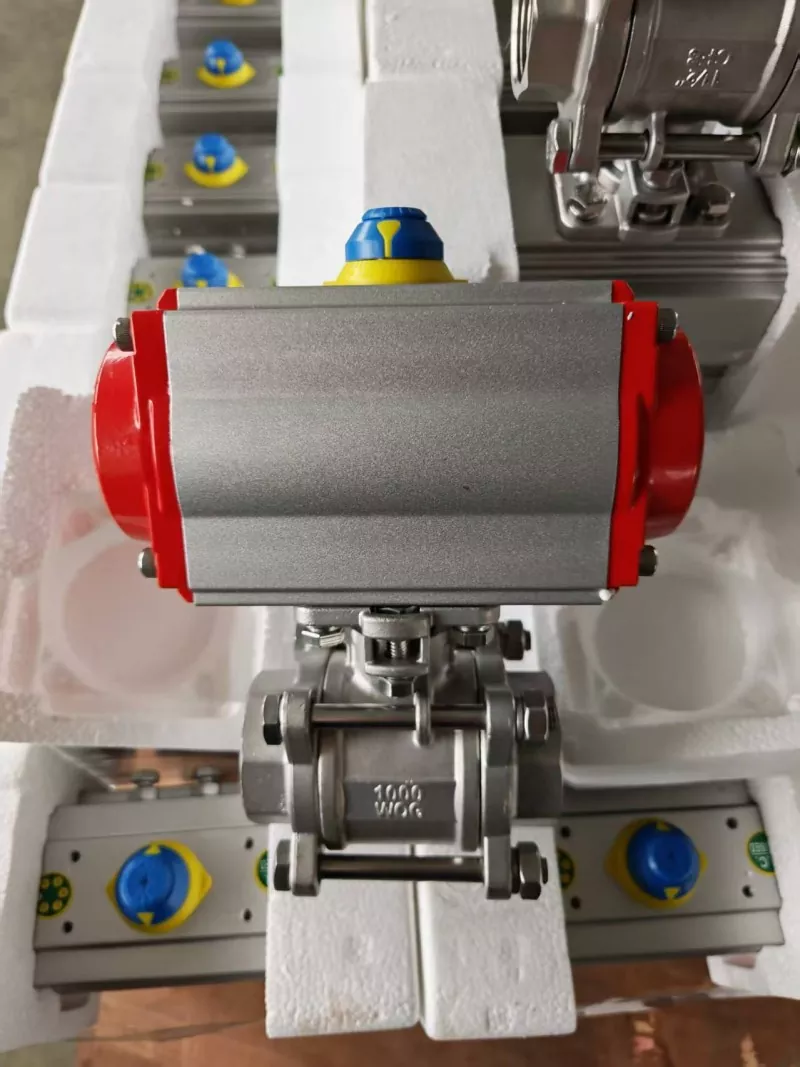
The 3-Piece Pneumatic Ball Valve combines a heavy-duty three-piece body construction with a compact, high-cycle pneumatic actuator. Designed for both on/off and modulating control applications, this valve delivers zero leakage, low pressure drop, and long service life in demanding process environments.
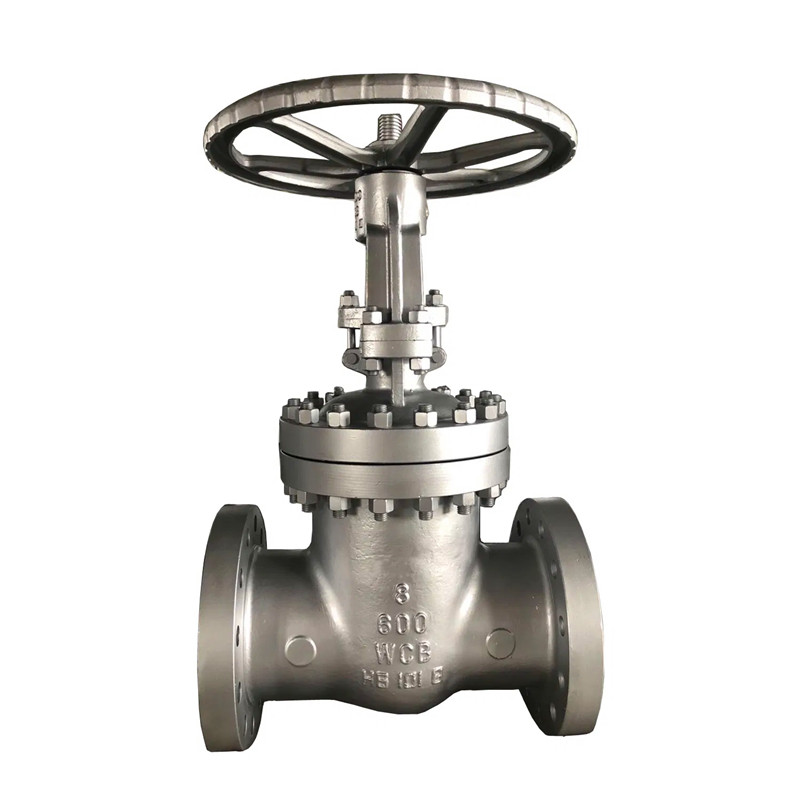
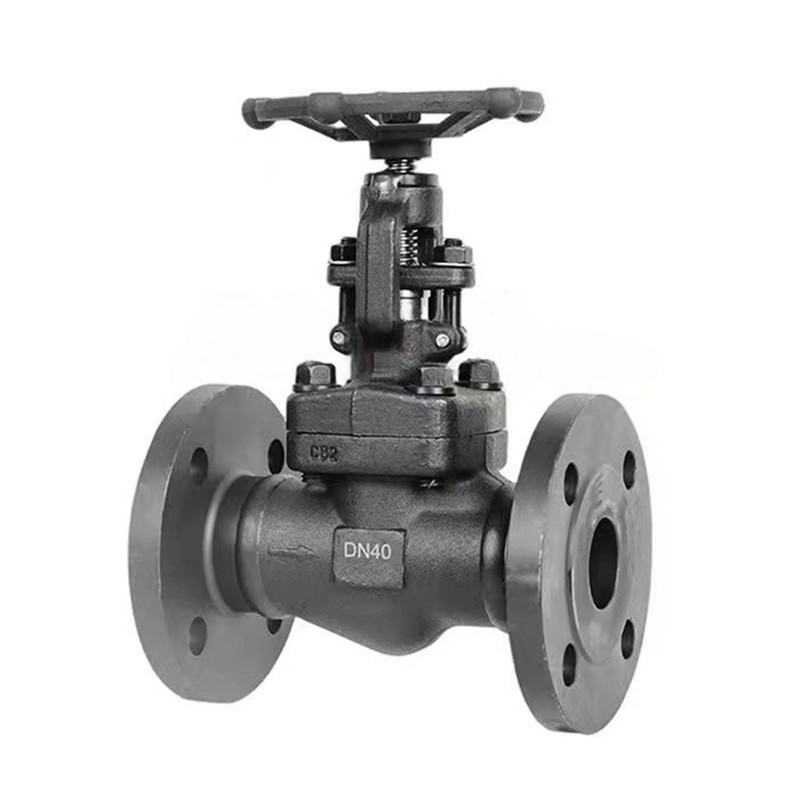
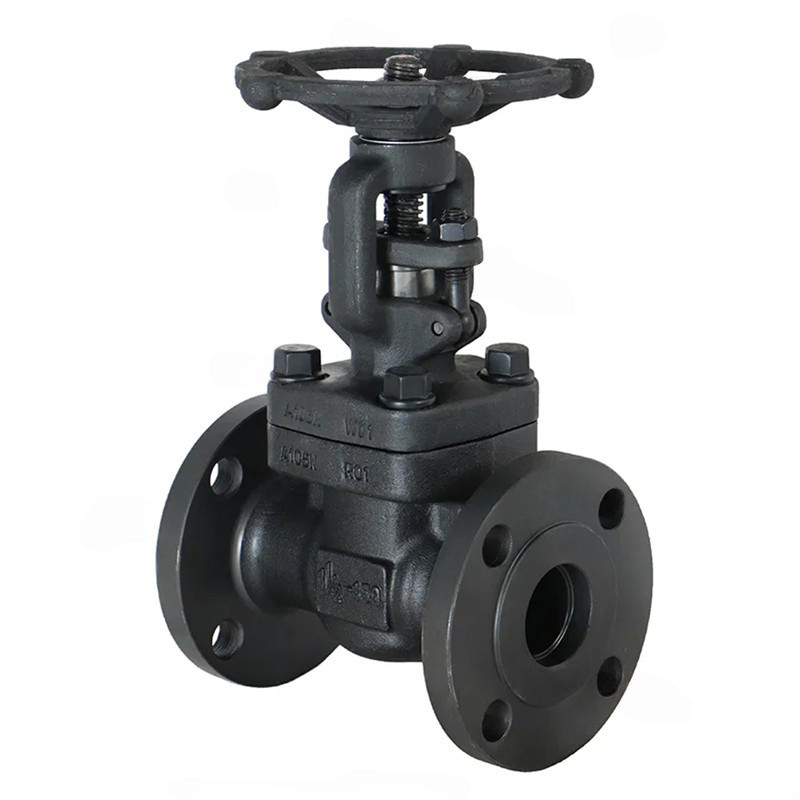
Integrated Forged Steel Flange Gate Valves are widely used in demanding industrial environments where high pressure, elevated temperatures, and critical sealing performance are required. These valves combine the strength of forged steel with flange-end connectivity to deliver excellent mechanical durability, corrosion resistance, and maintenance convenience.
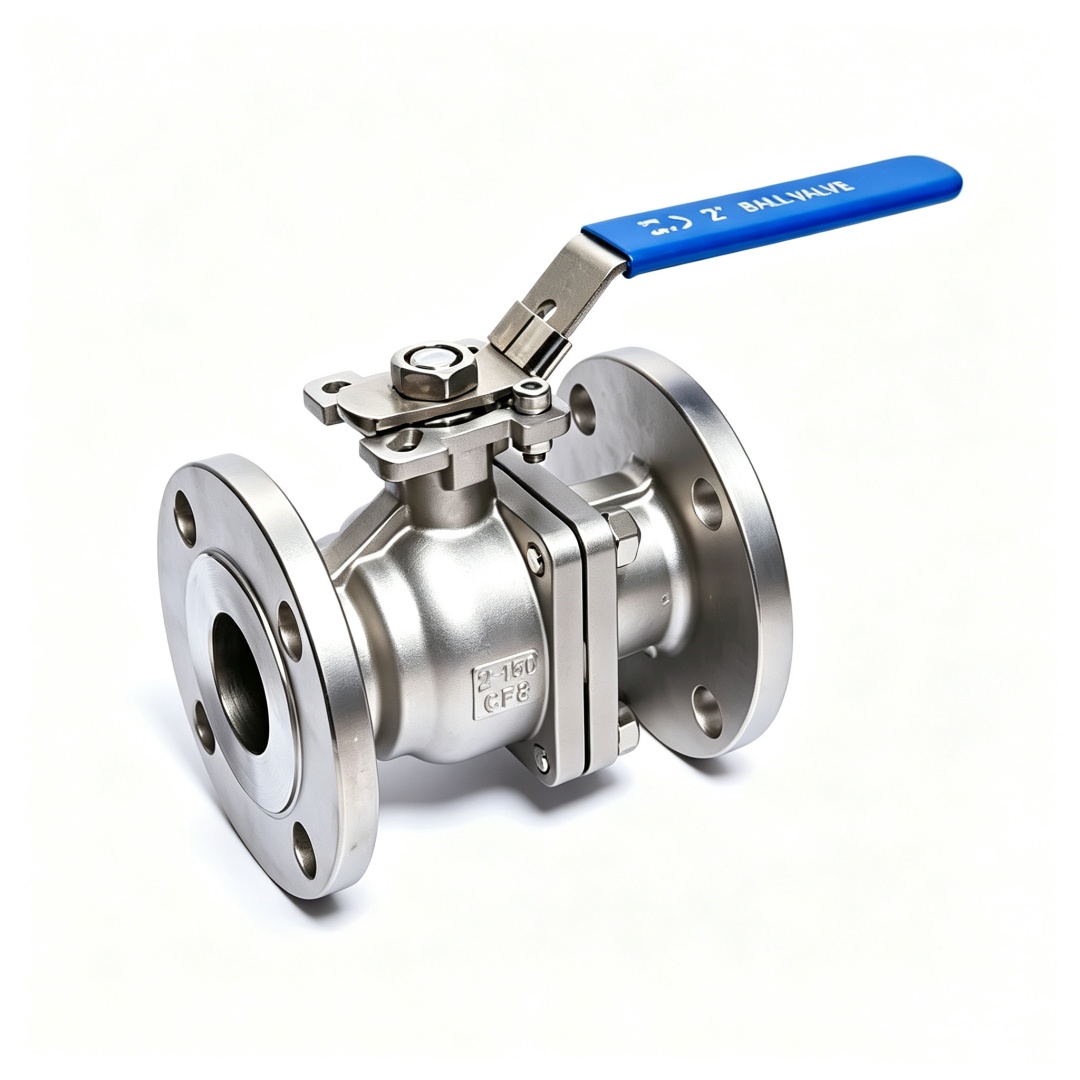
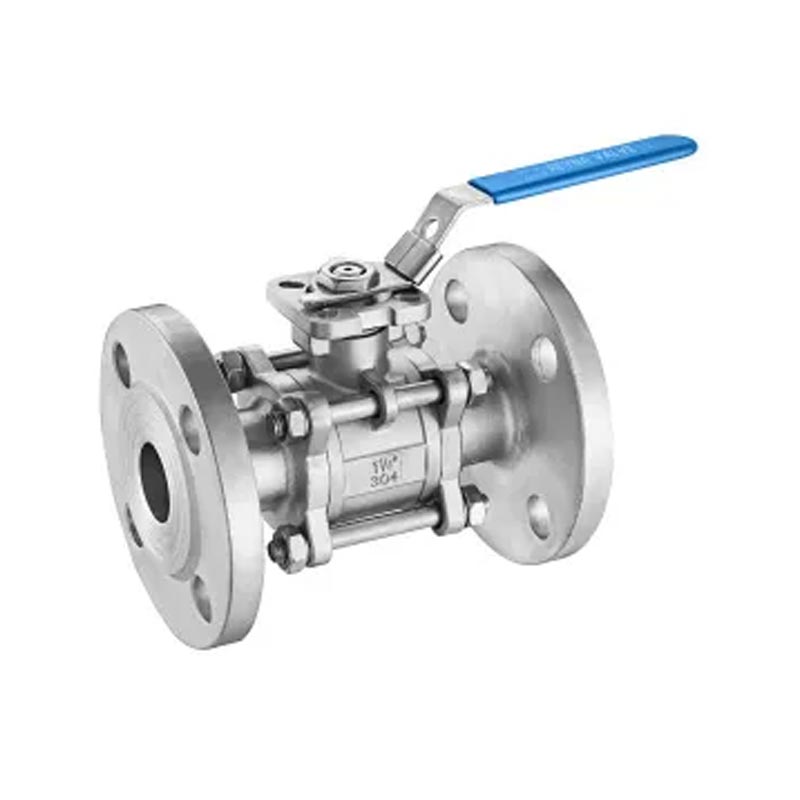
The Mounting Pad 3PC Flanged Ball Valve is widely used in modern industrial piping systems where reliability, ease of automation, and maintenance efficiency are critical. This article explores its structure, working principles, advantages, applications, installation methods, and common troubleshooting scenarios. It also highlights how this valve type solves real-world operational challenges such as leakage risk, difficult actuator integration, and frequent system downtime.
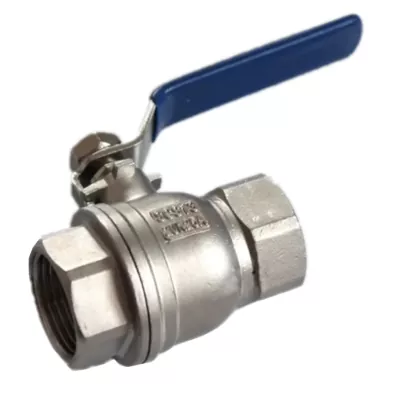
CHINA JOEPAI manufacturer of 2-piece Korea type threaded ball valve. Available in SUS304(CF8), SUS316(CF8M) materials. Full port, anti-blowout stem, PTFE, RPTFE or PPL seat. Ideal for water, gas, oil, and chemical applications.
We use cookies to offer you a better browsing experience, analyze site traffic and personalize content. By using this site, you agree to our use of cookies. Privacy Policy

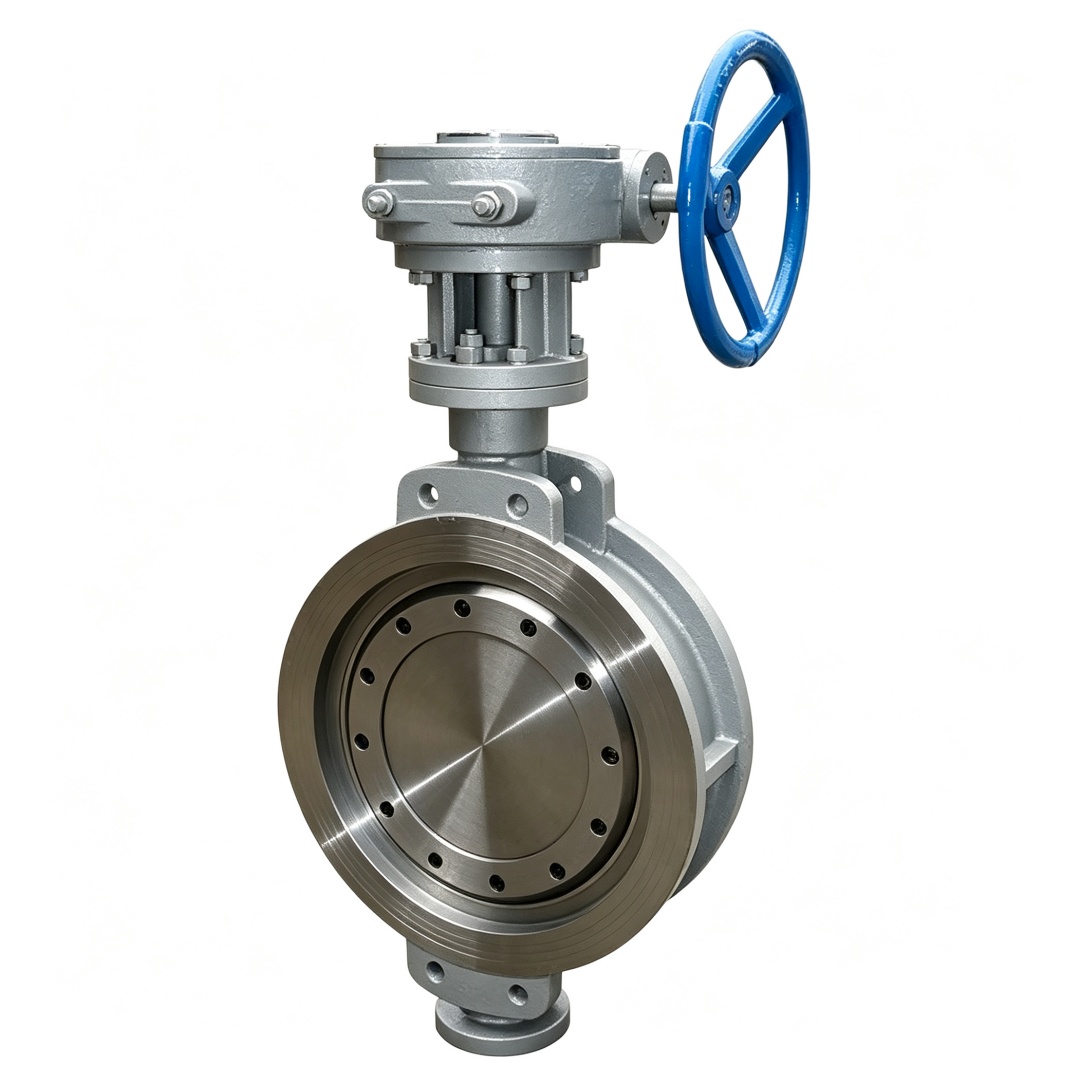
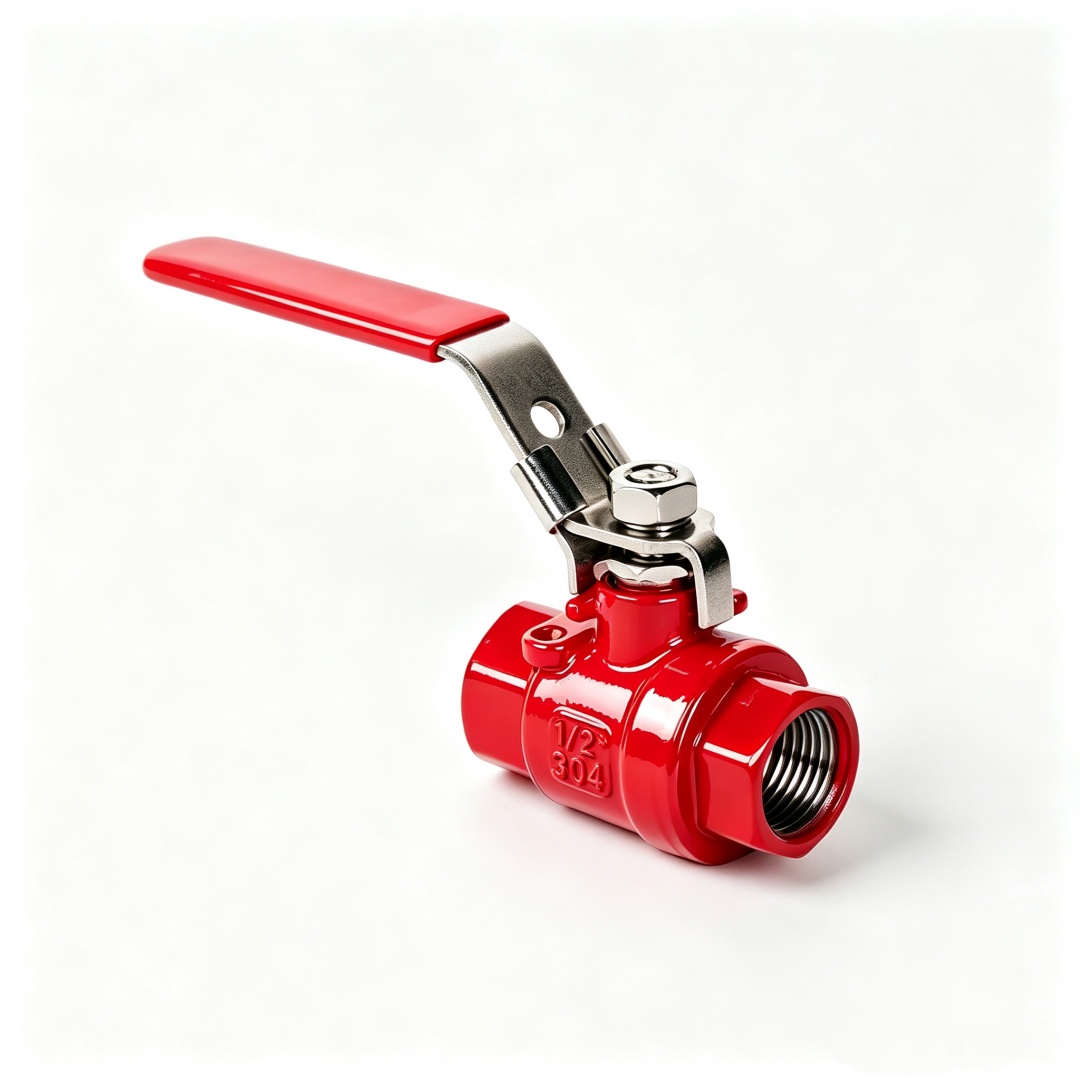

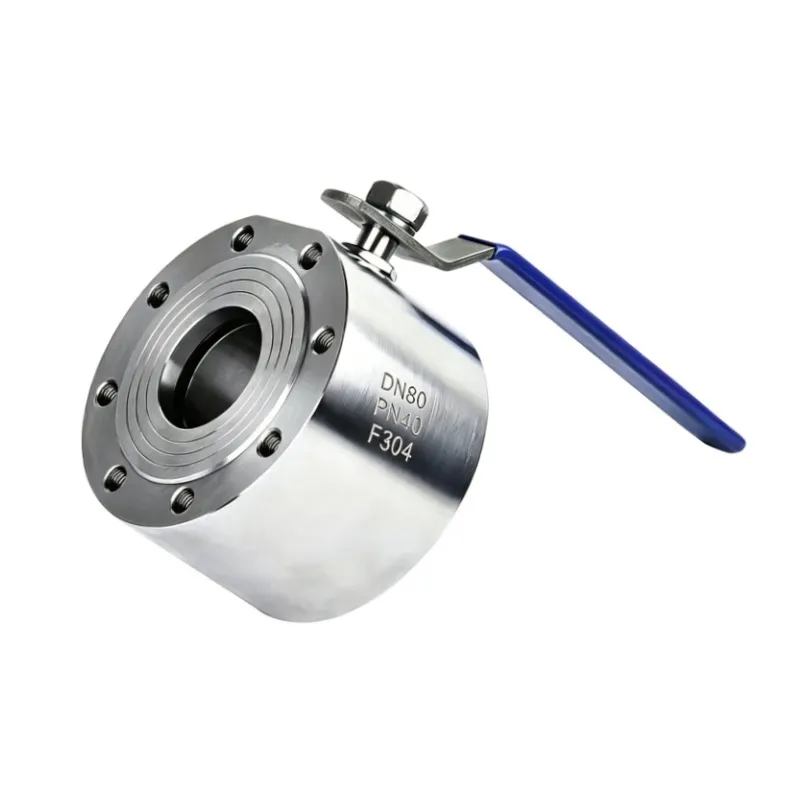 16 2026-06
 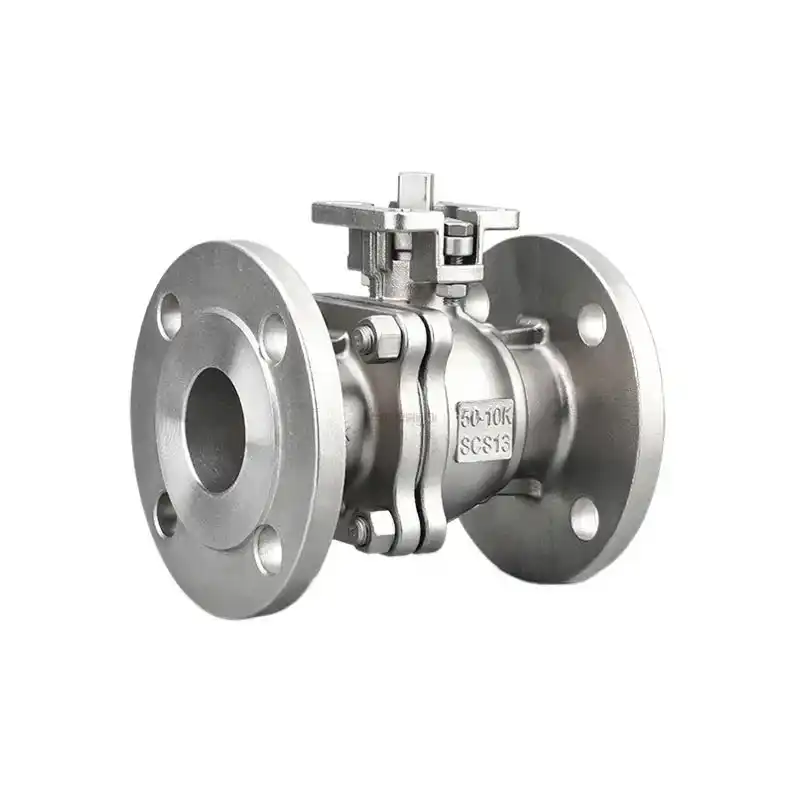 11 2026-06
  02 2026-06
  27 2026-05
  21 2026-05
  15 2026-05