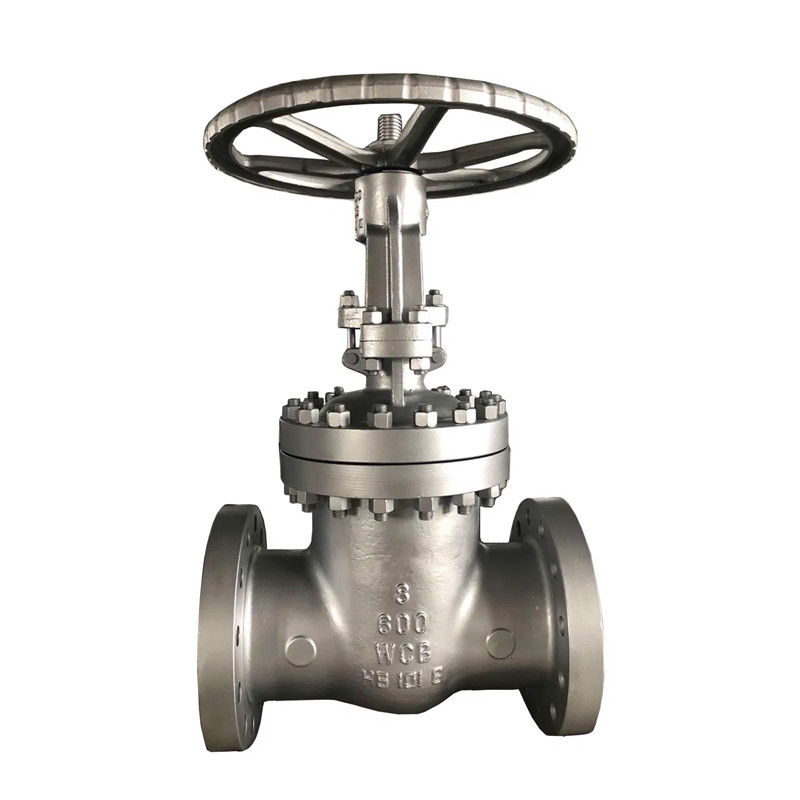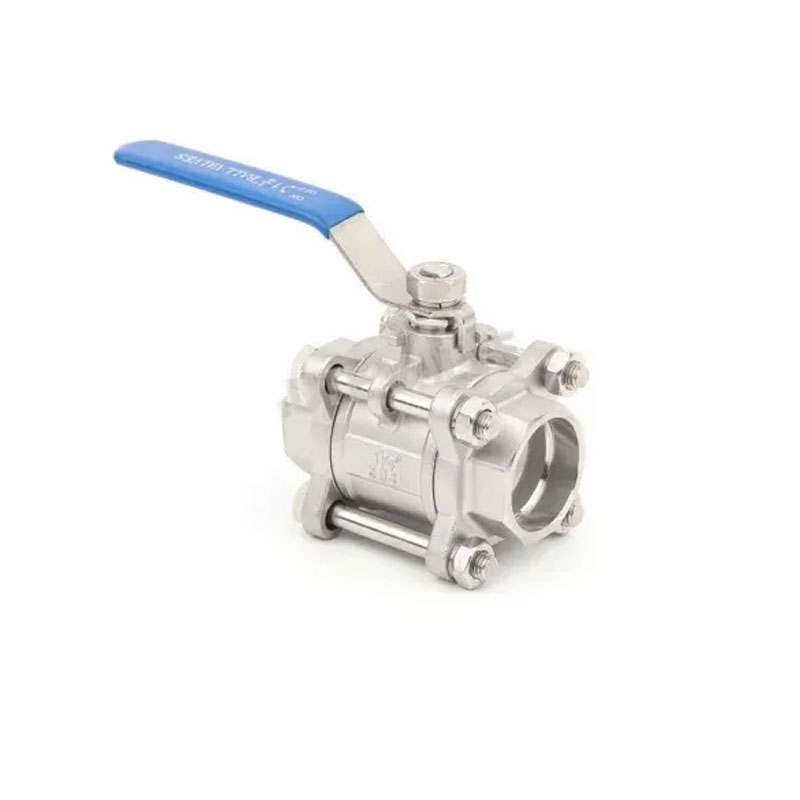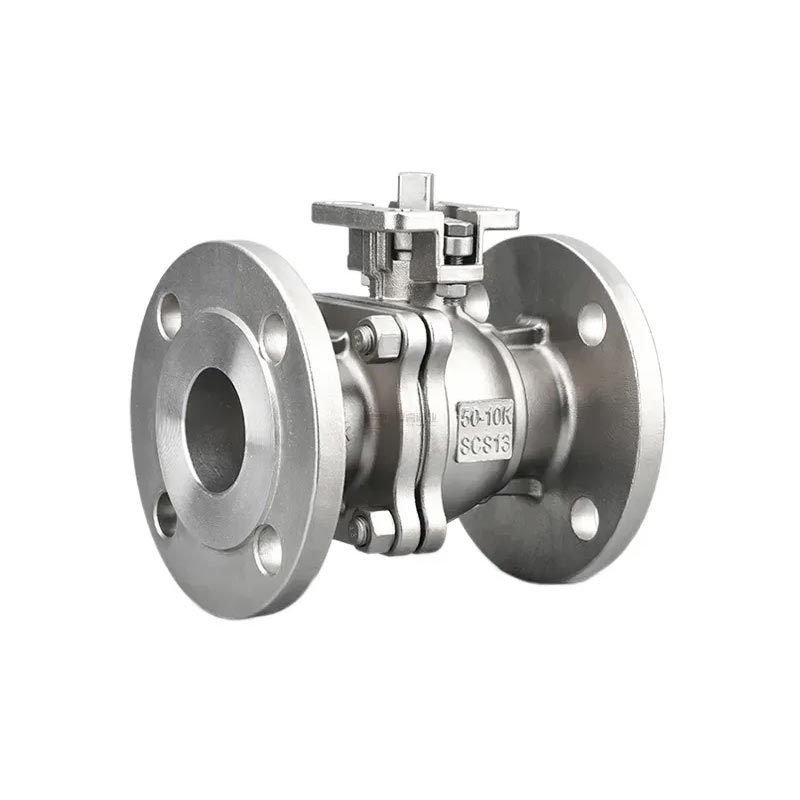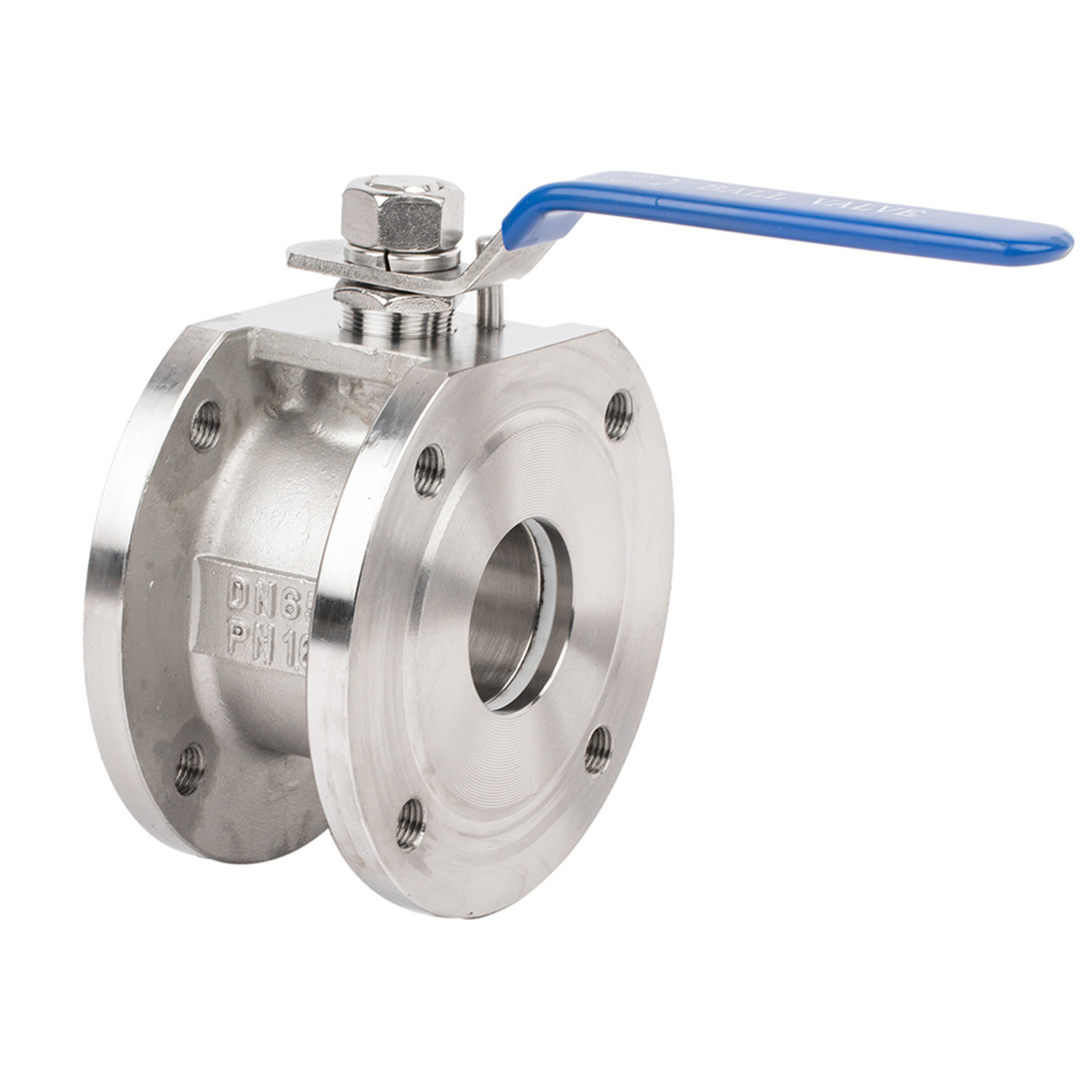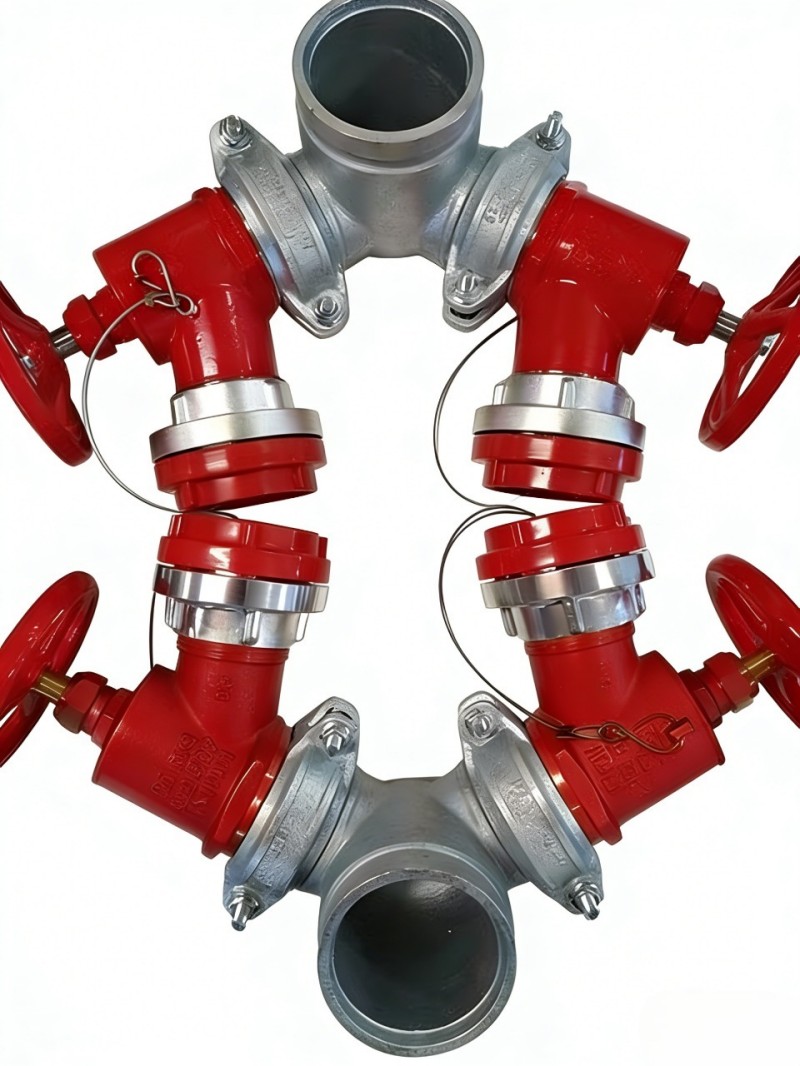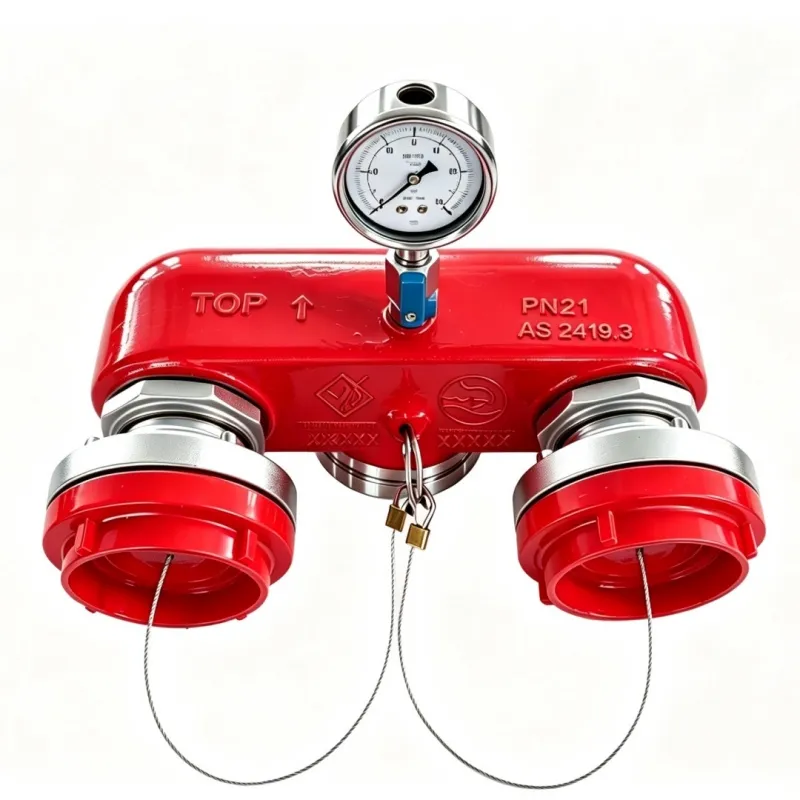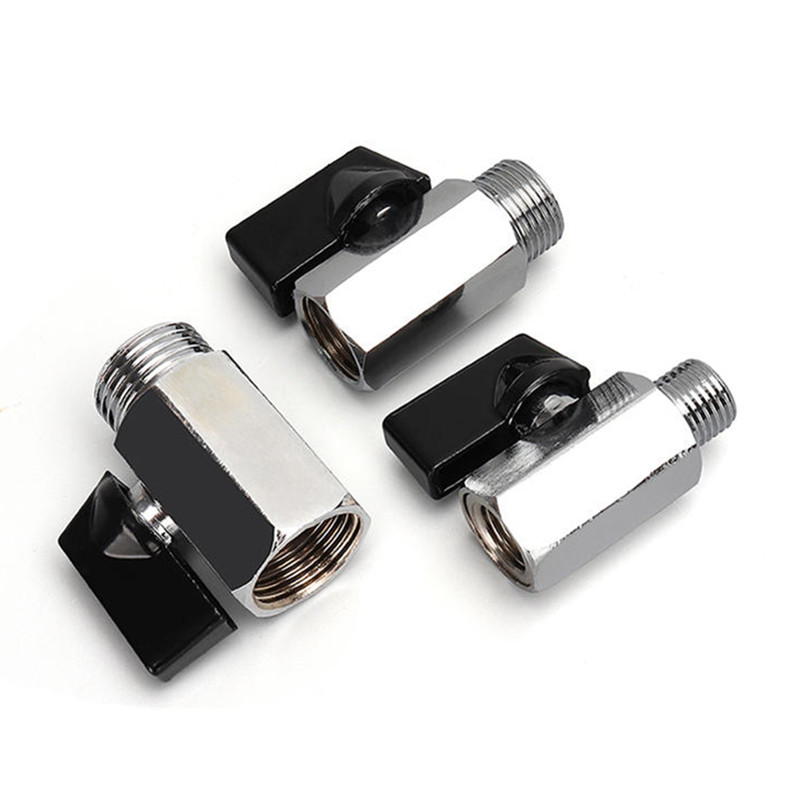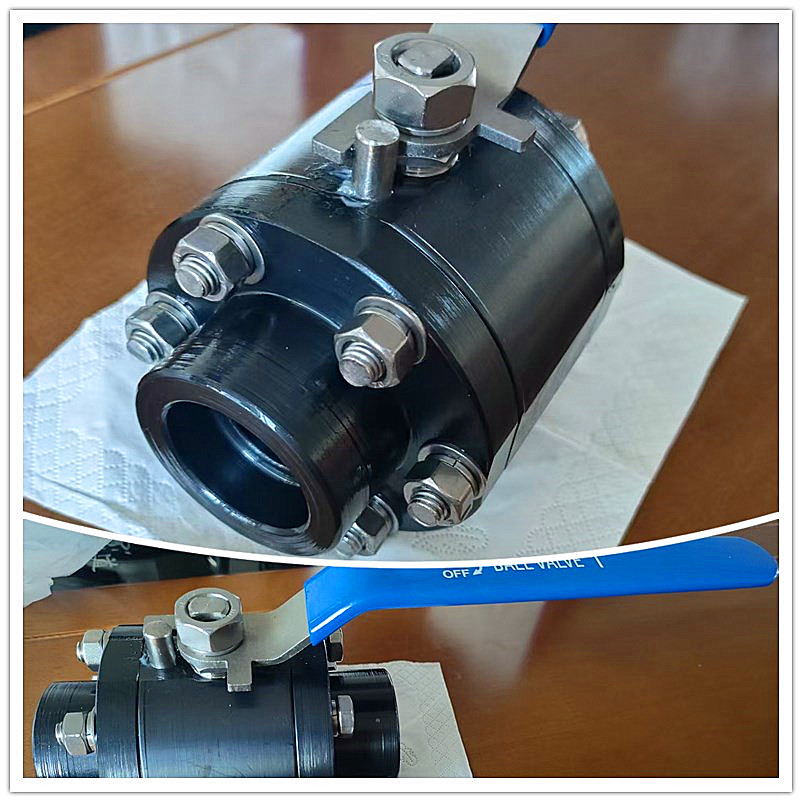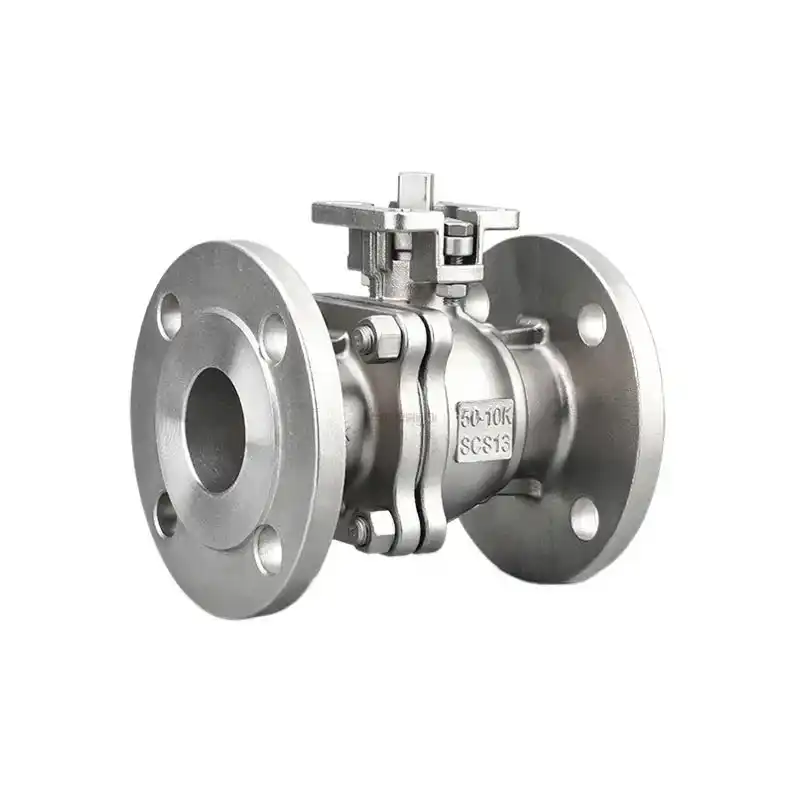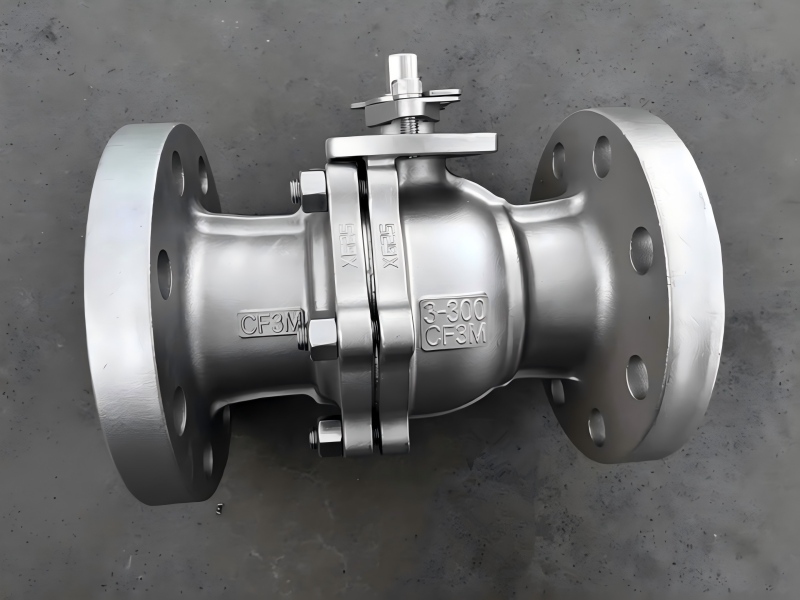
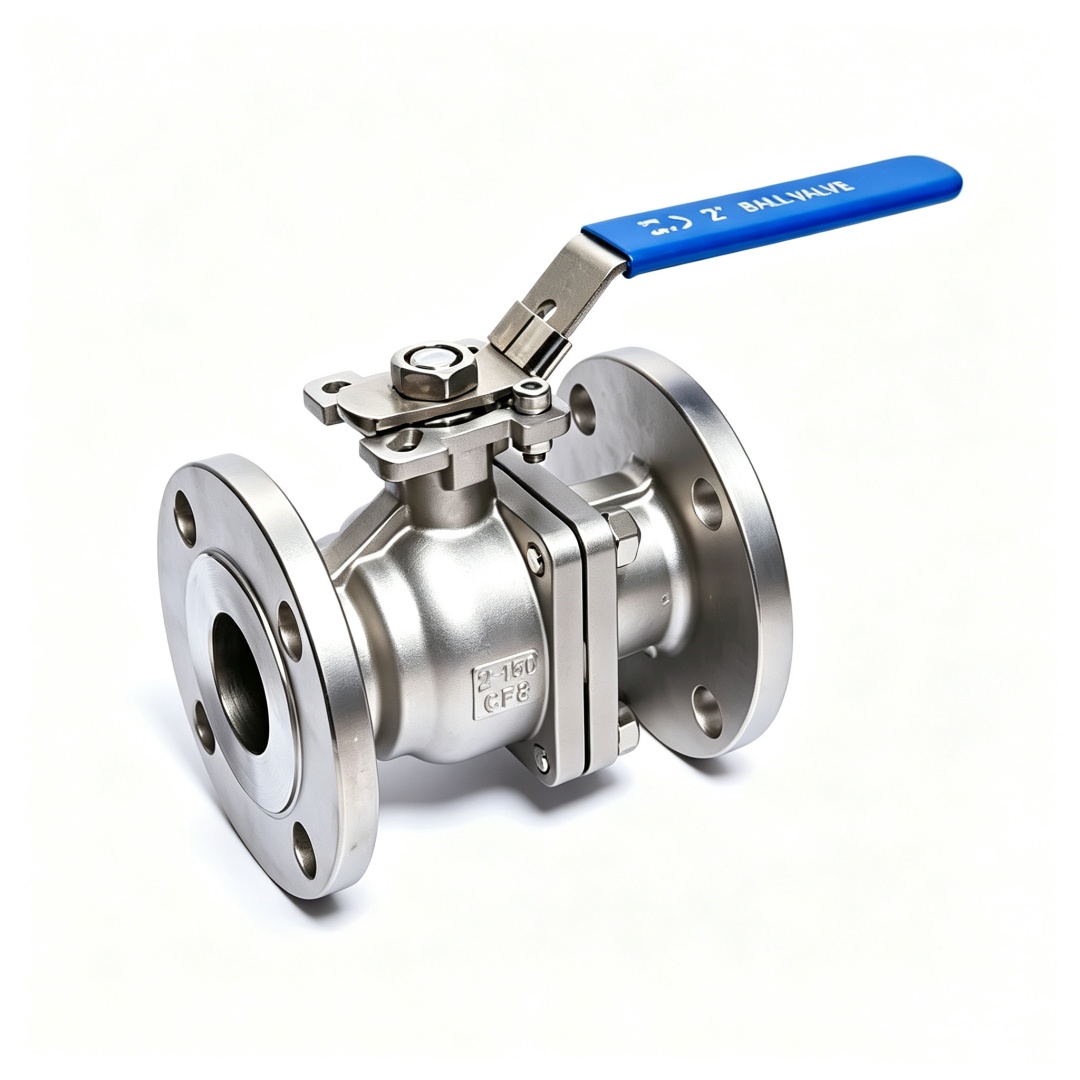
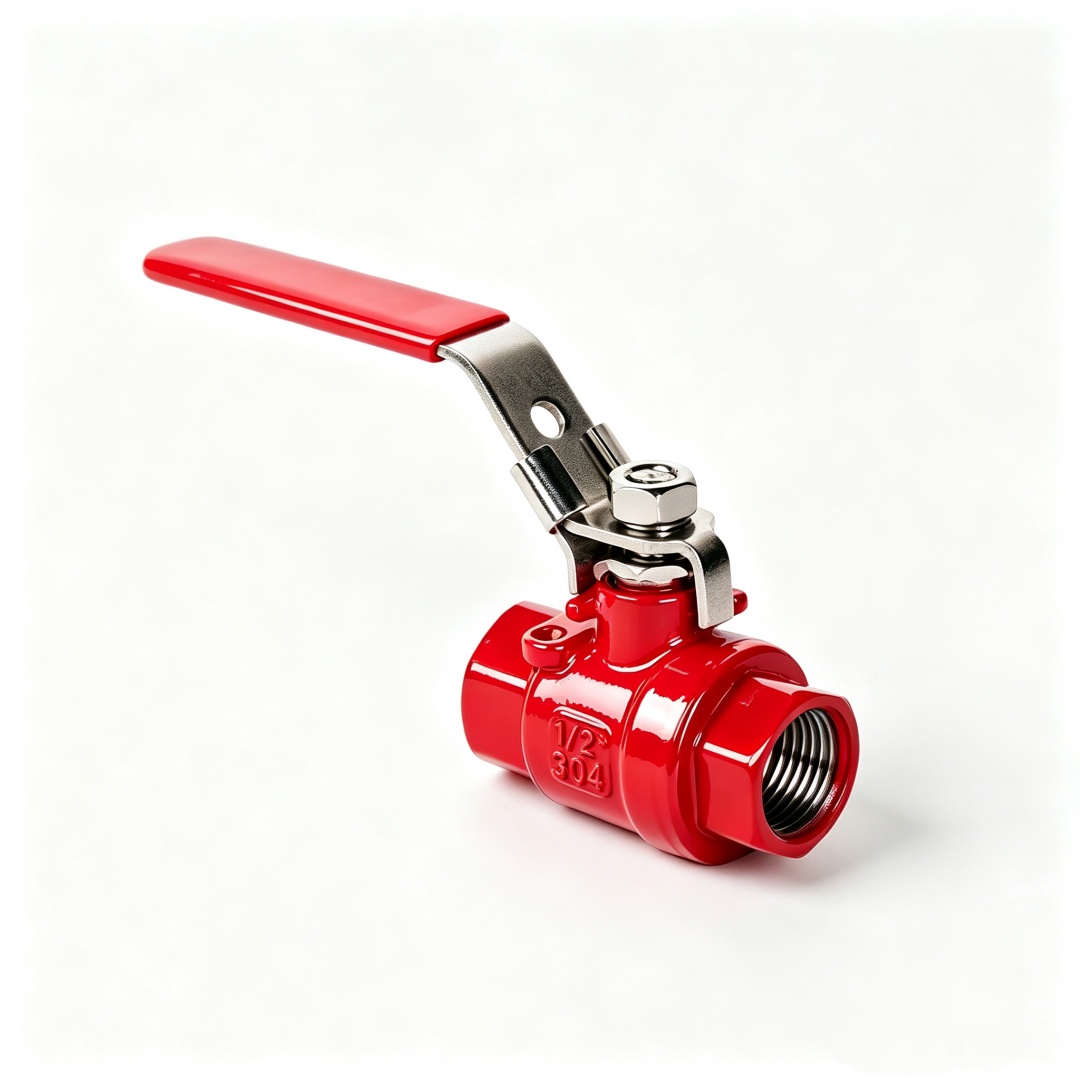

Stainless steel ball valve bodies normally use SS304, SS304L, SS316, SS316L, SS2205 (S31803), and SS2507 (S32750) duplex stainless steel. The valve seats are mostly made of high-molecular polymer materials such as PTFE (Polytetrafluoroethylene), PPL (Poly-p-phenylene), or PEEK(Polyetheretherketone), offering good sealing performance. They are used in pipelines for conveying gaseous or liquid media, with manual, worm gear, pneumatic, electric, or hydraulic actuation.
During a routine maintenance inspection at a coastal refinery, technicians discovered fine cracks in the ball valve body of a pipeline conveying a chlorine-containing medium. Testing revealed it was chloride stress corrosion cracking. This valve, which had been in use for less than three years, nearly caused a serious safety accident.
This is a real risk that the petrochemical industry may face in valve selection, and choosing the appropriate material and sealing solution is the first line of defense against such hazards. This article will start from the special operating conditions of the petrochemical industry and explain in detail how to scientifically select stainless steel ball valves.
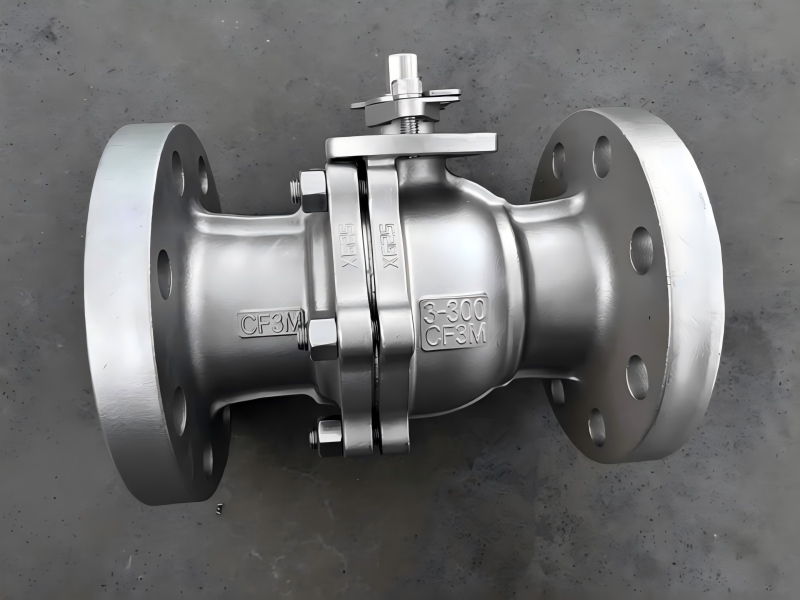
In the petrochemical industry, the media often have strong corrosive properties, high temperature, and high pressure characteristics, and a single "stainless steel" is not enough to guarantee safety. Different stainless steel ball valves have their specific application limits, and incorrect material selection can lead to catastrophic consequences. The following is an analysis of the corrosion resistance of different stainless steel materials:
Austenitic Steel (304/316 series): The main difference between SS304 and SS304L is the carbon content; SS304L has a lower carbon content, which gives SS304L better corrosion resistance after welding. SS316 and SS316L contain molybdenum(Mo), which improves corrosion resistance, especially against chlorides. The key to selection is to consider the chloride ion content and acidity of the medium, as well as the need for resistance to intergranular corrosion after welding (select L types).
Duplex Stainless Steel (2205/2507 Series): SS2205 (S31803) and SS2507 (S32750) containing high levels of chromium, nickel, and molybdenum, offering superior strength and corrosion resistance. The key selection criterion is addressing chloride stress corrosion cracking (SCC), a typical risk in the petrochemical industry, and for applications requiring higher strength or pressure capabilities.
Material Performance Comparison:
| Material Type | Typical Grade | Chloride Stress Corrosion Cracking Resistance | Applicable Temperature Range | Main Application Scenarios |
| Standard Austenitic | 304/L | Weak | -196℃ to 400℃ | General water, steam, air systems |
| Molybdenum-Enhanced Austenitic | 316/L | Medium | -196℃ to 400℃ | Seawater, chloride-containing media, weak acid environments |
| Standard Duplex Steel | 2205 | Strong | -50℃ to 300℃ | Petrochemical chloride-containing media, oil & gas produced water |
| Super Duplex Steel | 2507 | Extremely Strong | -50℃ to 300℃ | High-concentration chlorides, strong acid environments |
If material selection is the first line of defense for valves, then the sealing system is the last line of defense to ensure "zero leakage." In the petrochemical industry, leakage not only means material loss but can also lead to safety and environmental accidents.
Our multi-layer sealing system provides customized solutions for different operating conditions:
First Layer: Core Sealing Technology: Using reinforced PTFE, PPL, or PEEK and other polymer materials, the most suitable sealing solution is selected based on the media characteristics. PPL material can withstand high temperatures above 290℃ for extended periods, solving the "cold flow" problem of traditional PTFE.
Second Layer: Structural Reinforcement Design: Floating ball valves rely on media pressure to achieve self-tightening sealing; fixed ball valves use a double piston effect (DPE) design, utilizing system pressure to enhance the sealing effect. Special elastic loaded valve seats automatically compensate for wear, maintaining long-term sealing effectiveness.
Third Layer: Fire Safety System: Fire-safe design compliant with API 607/6FA standards. When the soft seal is burned out due to fire, the metal-to-metal secondary sealing structure automatically engages to prevent catastrophic leakage. An anti-static device is also included to conduct static electricity to the ground.
Fourth Layer: Emergency Safety Mechanism: The anti-blowout stem structure ensures that the valve stem is not ejected under abnormal pressure; the automatic cavity pressure relief function prevents pressure buildup caused by thermal expansion of the media.
True reliability is built on strict manufacturing standards and a quality control system. Our stainless steel ball valves undergo multiple quality control stages from raw materials to finished products, ensuring that every valve meets or exceeds industry standards. Strict Standards Adherence: Product design and manufacturing strictly adhere to international standards such as API 6D, API 608, and ASME B16.34, while also meeting the requirements of domestic standards such as GB/T 12237.
Multi-level Testing and Verification: Each valve undergoes rigorous testing before leaving the factory, including shell strength testing (1.5 times the nominal pressure) and sealing performance testing (bi-directional sealing test).
The complex operating conditions of the petrochemical industry require valve suppliers to provide not only standard products but also targeted solutions. We have developed a series of professional configuration options to meet the specific needs of the petrochemical industry.
For sulfur corrosion environments: We provide materials resistant to sulfur stress corrosion and reduce the susceptibility of materials to sulfide stress corrosion cracking through special heat treatment processes.
For low-temperature conditions: For applications such as LNG, we use materials treated with cryogenic processes and specially designed low-temperature sealing structures to ensure reliable operation in environments as low as -196°C.
For high-frequency operation: For applications requiring frequent opening and closing, we use low-torque designs and wear-resistant enhanced sealing materials to significantly extend valve service life.