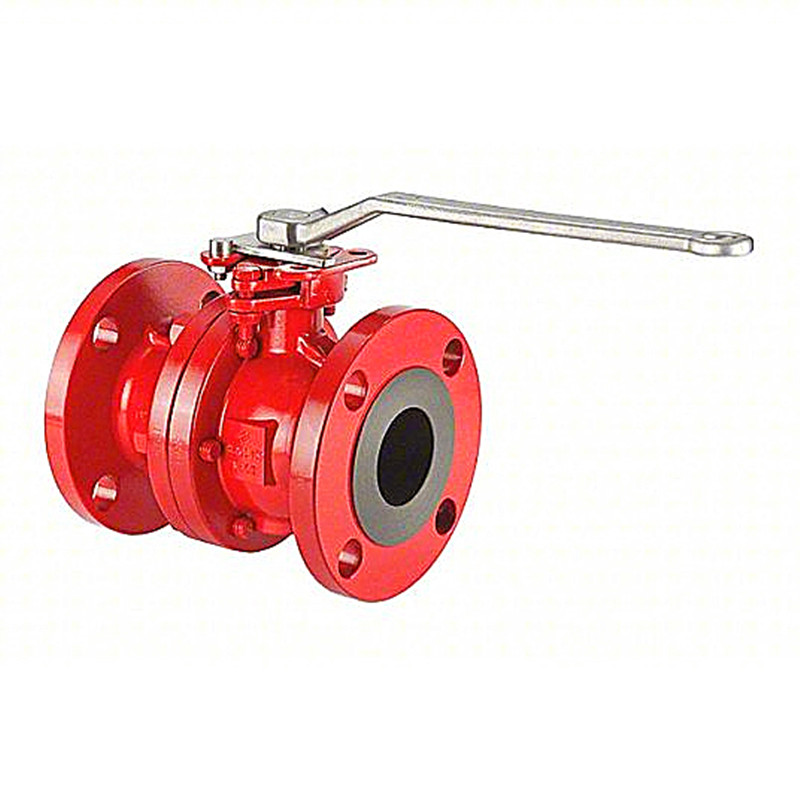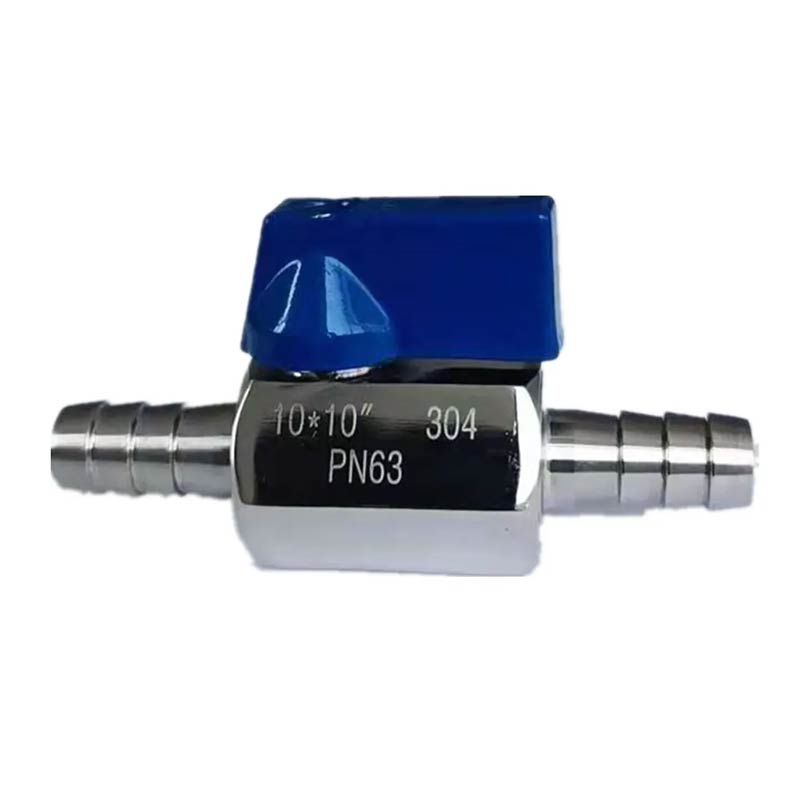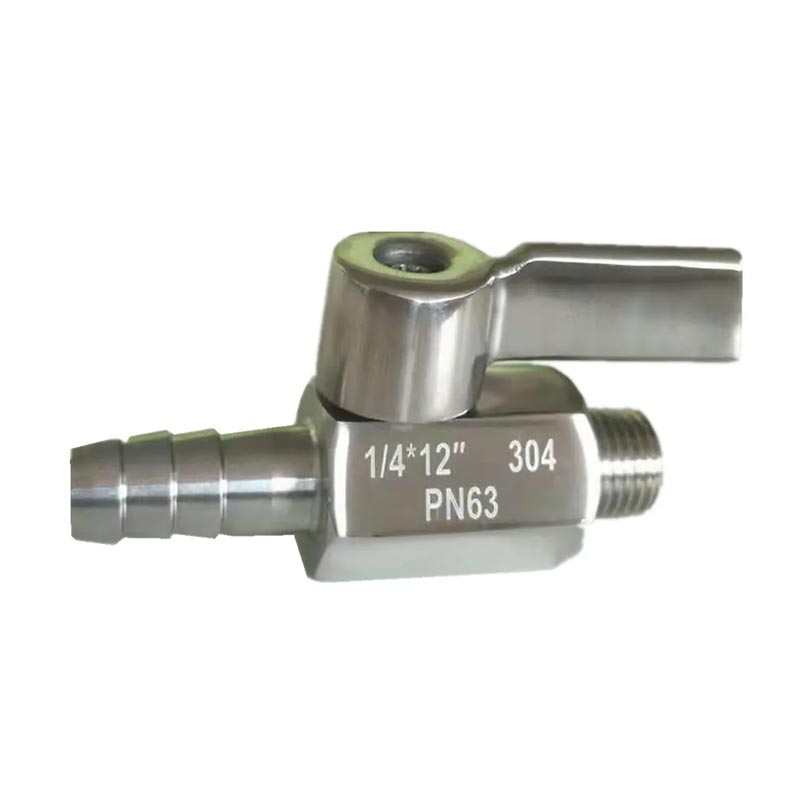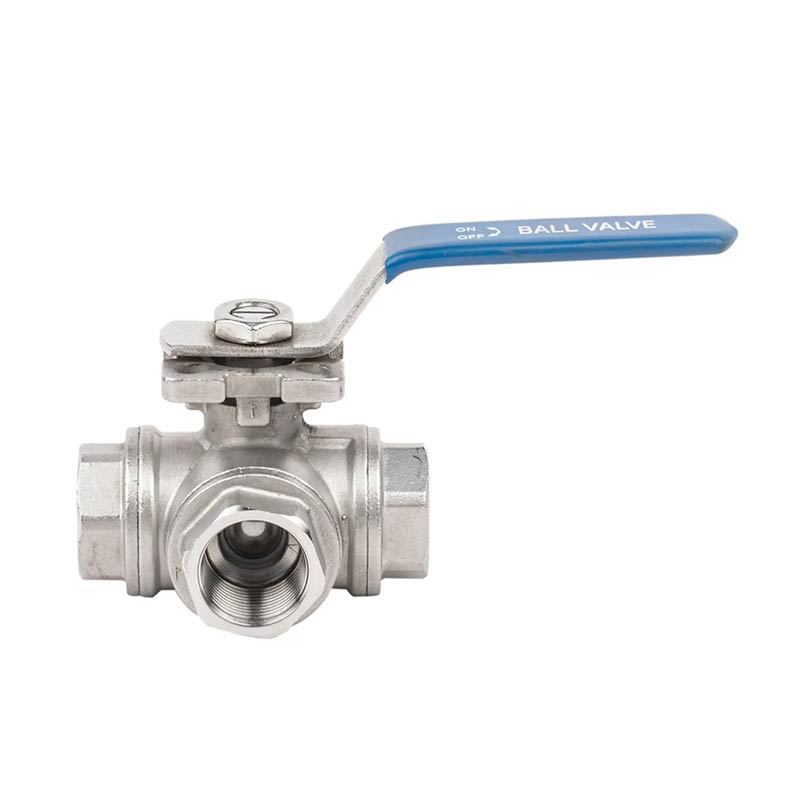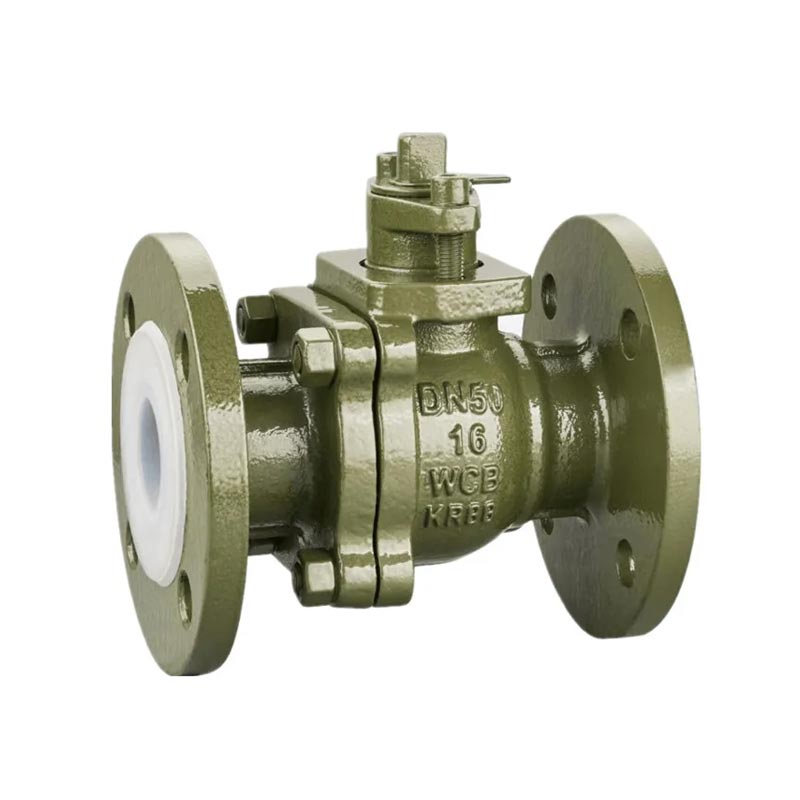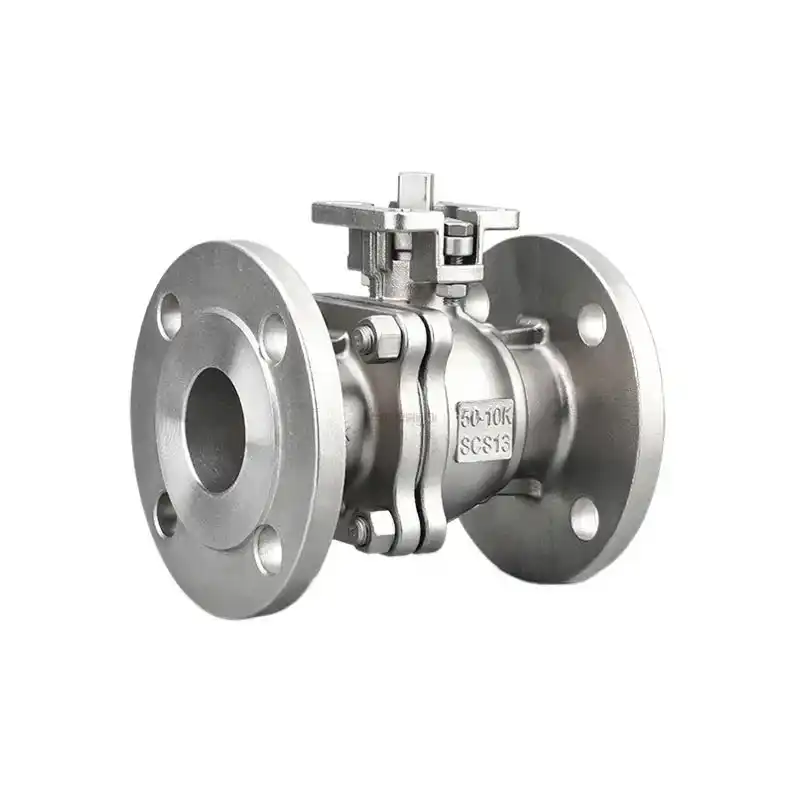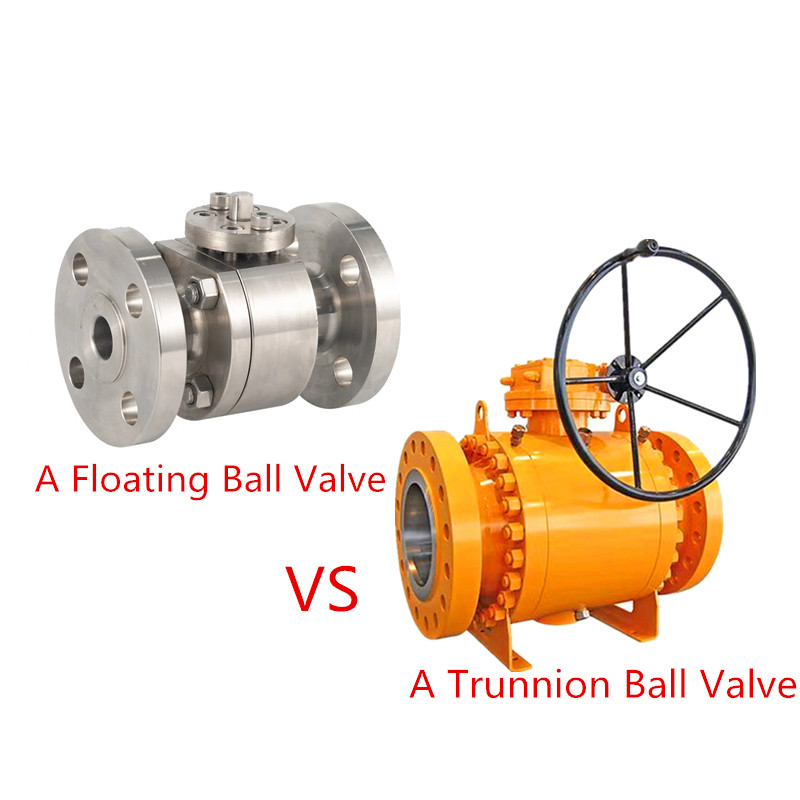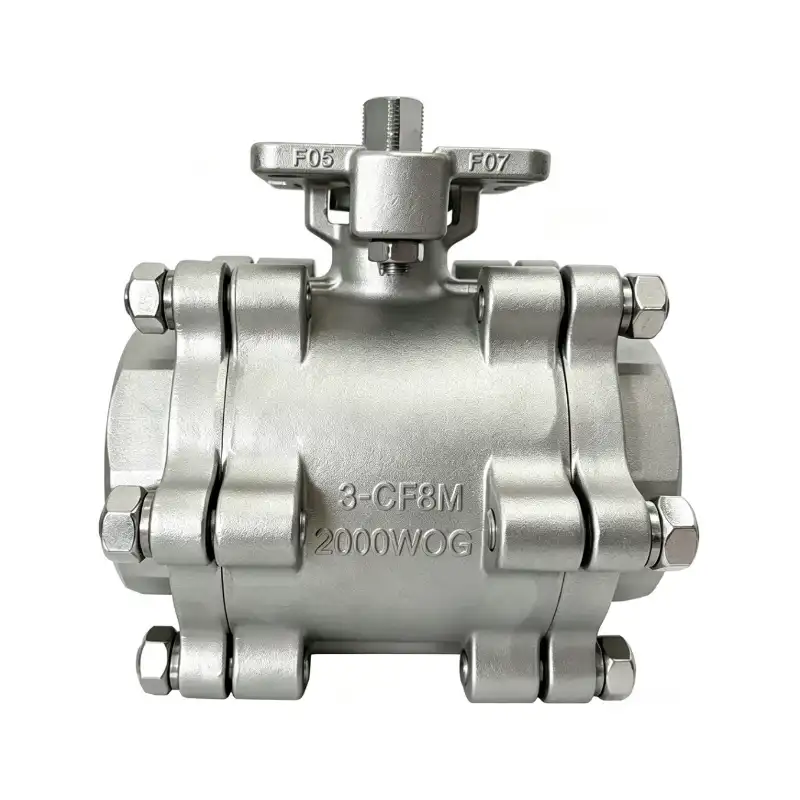
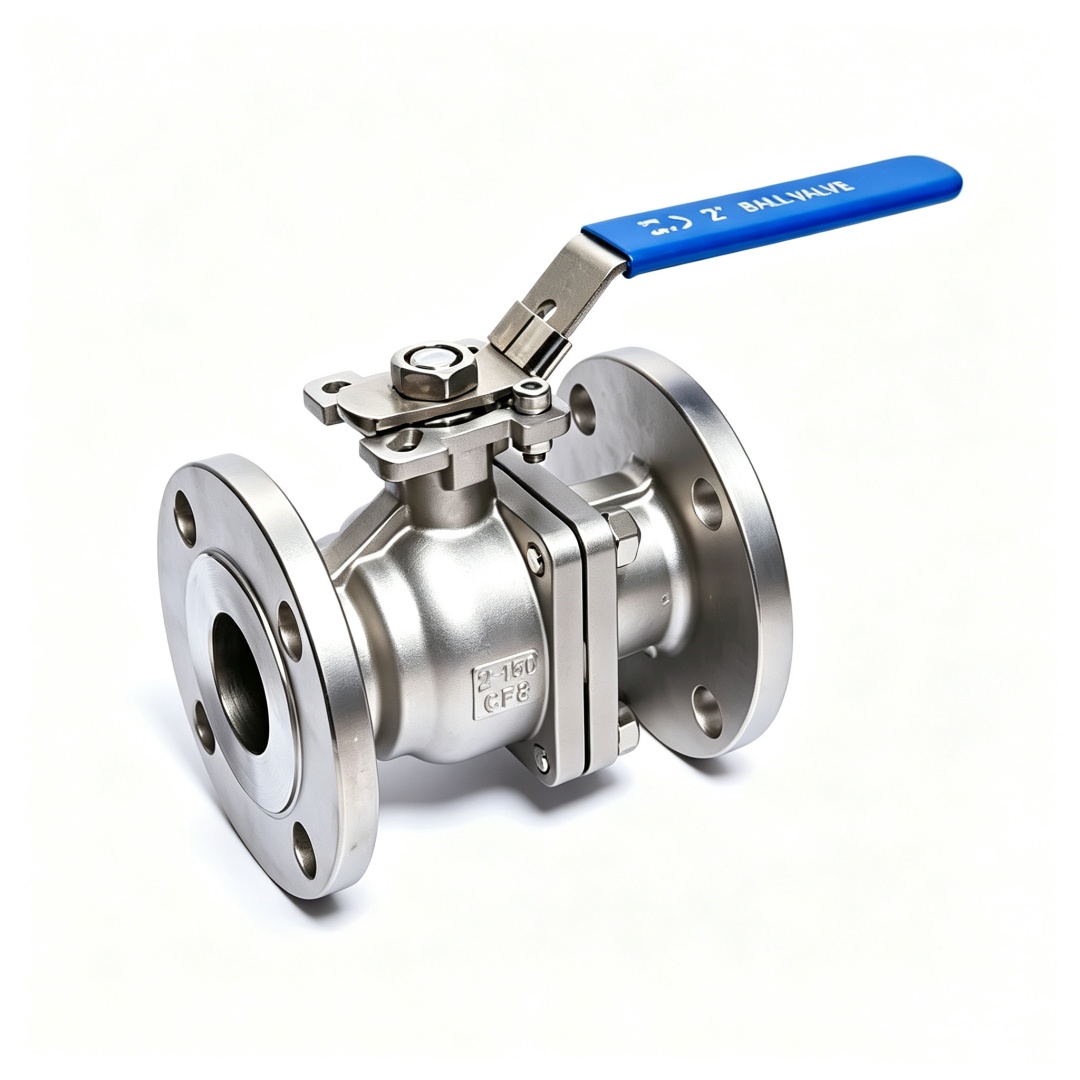
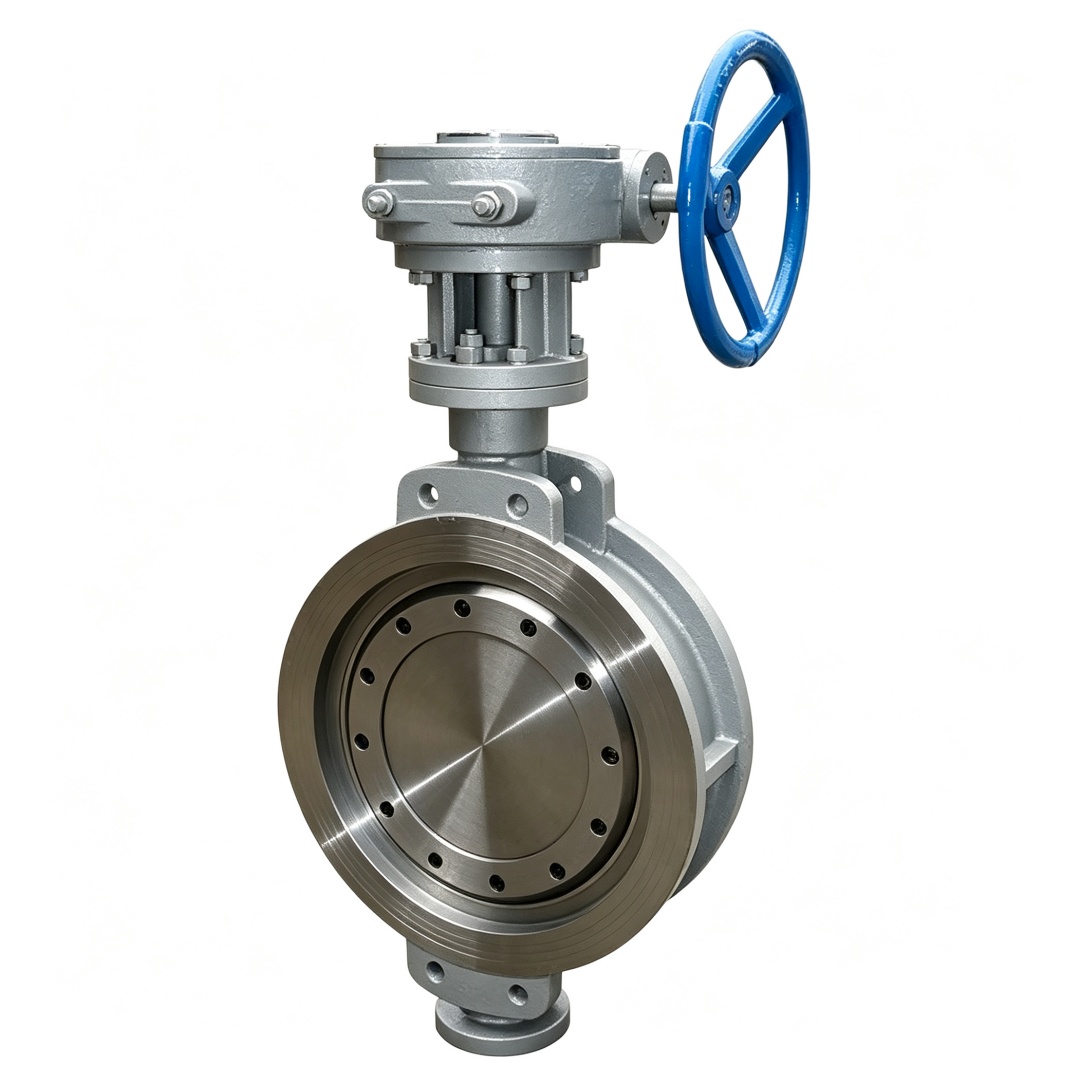
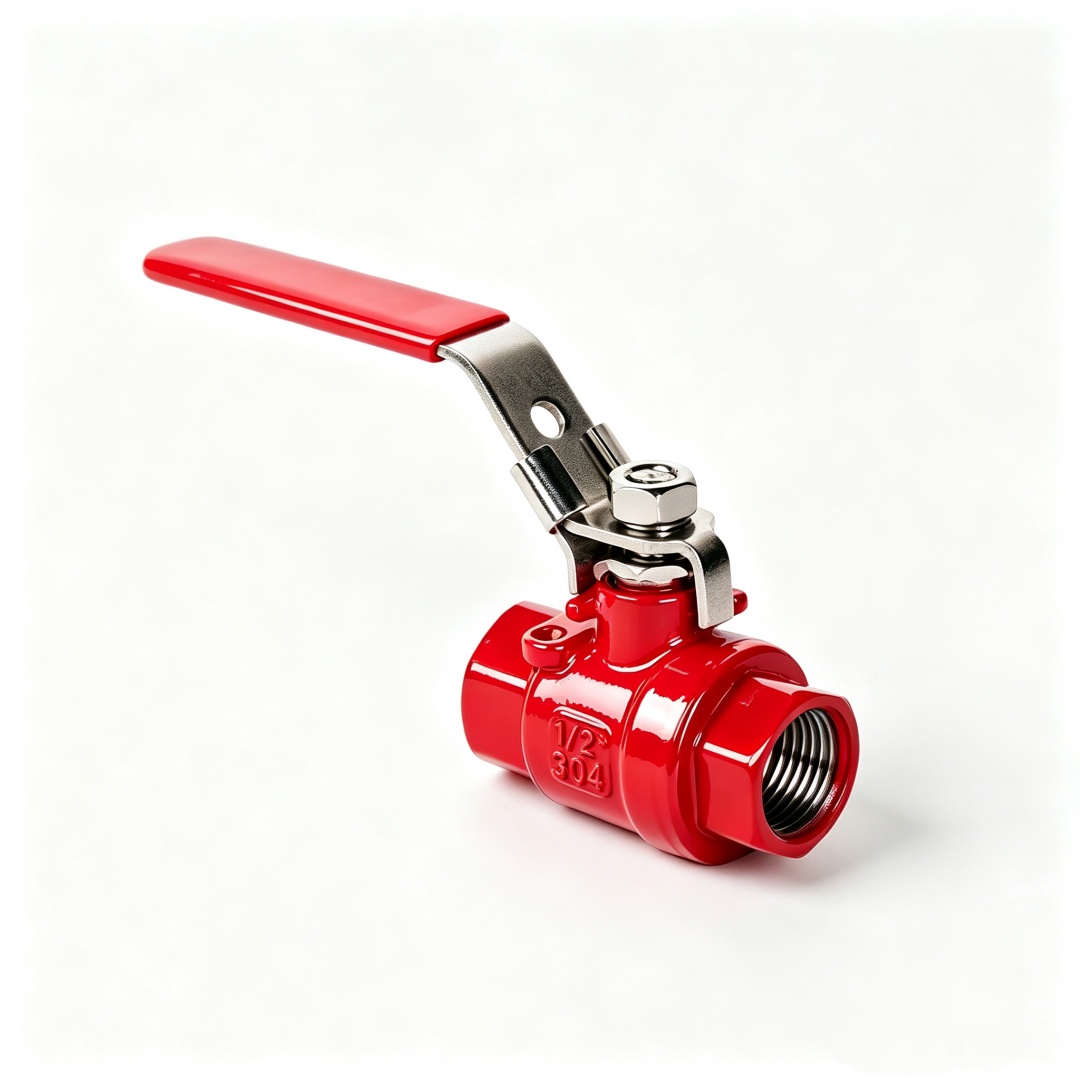

Floating ball valve: The ball is floating and can move under the pressure of the medium, pressing tightly against the sealing surface at the outlet end to ensure a tight seal.
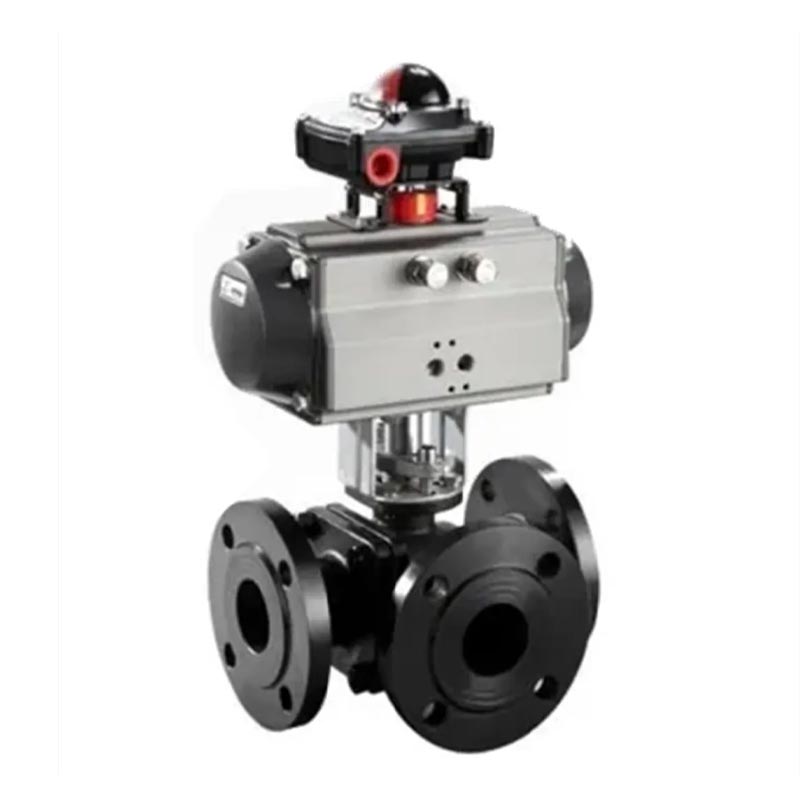
Fixed ball valve: The fixed ball valves also called trunnion mounted ball valves.Different from floating ball valves,the ball is fixed,support via upper and lower trunnions, maintaining the ball in a stable position even under high pressure, high temperature, or ultra-low temperature conditions.Fixed ball valves all have floating seats. Under the pressure of the medium, the valve seat moves, causing the sealing ring to press tightly against the ball to ensure a seal. Bearings are usually installed on the upper and lower shafts of the ball, resulting in low operating torque, making them suitable for high-pressure and large-diameter valves.
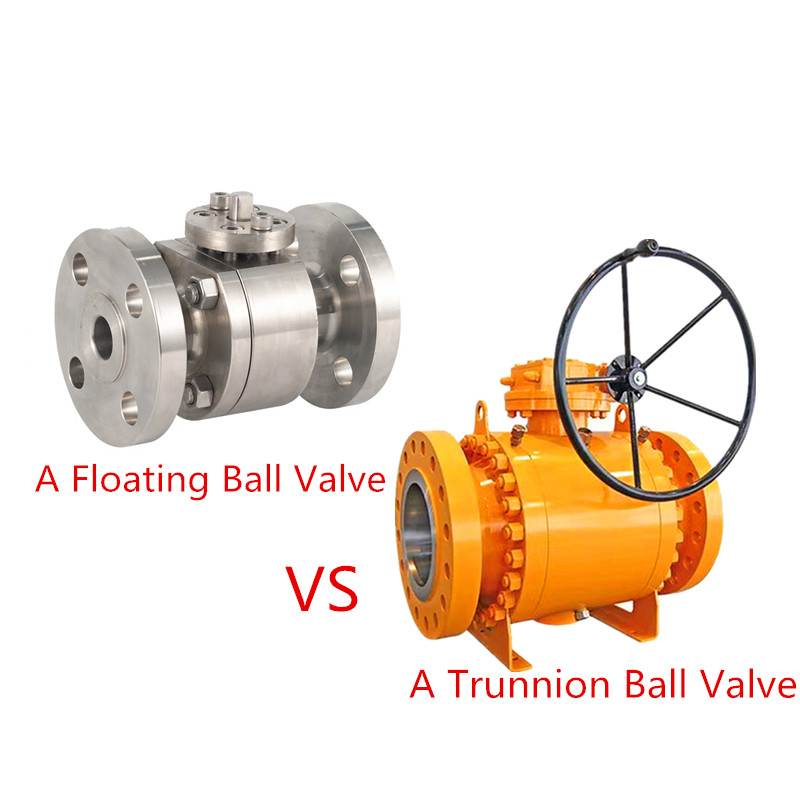
Floating ball valves are small in size, lightweight, and have a simple structure. The ball has a free-floating function, which ensures a good seal; the ball valve uses a ball with a circular through-hole as the opening and closing element. Driven by the valve stem, the ball rotates 0-90 degrees around the center of the valve stem to complete the opening and closing function; it features a compact structure and quick switching, closing the valve and cutting off the pipeline medium with a 90-degree rotation; the ball channel diameter is the same as the pipeline diameter, resulting in low flow resistance and high flow capacity; the valve stem is bottom-mounted, preventing valve stem blowout accidents and ensuring safe use.Fixed ball valves are suitable for various pipelines under medium and high pressure, used to cut off or connect the medium in the pipeline. Under cryogenic (e.g., -196℃ for LNG) or high-temperature (>400℃) conditions, materials exhibit significant thermal expansion and contraction. Structural stability becomes a decisive factor for valve service life, where the fixed structure holds inherent advantages.Fixed Ball Valves with different materials, they can be used for various media such as water, steam, oil, liquefied petroleum gas, natural gas, coal gas, nitric acid, acetic acid, oxidizing media, urea, etc., and are widely used in petroleum, chemical, power, and water conservancy industries.Common driving methods for fixed ball valves include worm gear drive, manual, electric, and pneumatic. Most fixed ball valves are flange-connected, but there are also welded fixed ball valves.The cost of fixed ball valves is usually higher than that of floating ball valves.
Whether under cryogenic or high-temperature conditions, fixed ball valves are usually equipped with the following safety and sealing designs:
Double seat structure (Double Piston Effect / Single Piston Effect);
Automatic cavity pressure relief function;
Fire-safe structure design;
Anti-static device;
The Joepai ball valves design and manufacturing usually comply with the following international standards:
Design Standard: ASME B16.34
Face-to-Face Dimensions: ASME B16.10 / API 6D
Flange Connection: ASME B16.5 / ASME B16.47
Pressure Testing: API 598 / API 6D
Fire-Safe Design: API 607 / API 6FA
Cryogenic Testing (if applicable): BS 6364 / ISO 28921
In summary, the choice between a floating or fixed ball valve should be based on actual working conditions, sealing performance requirements, operating frequency, and budget.