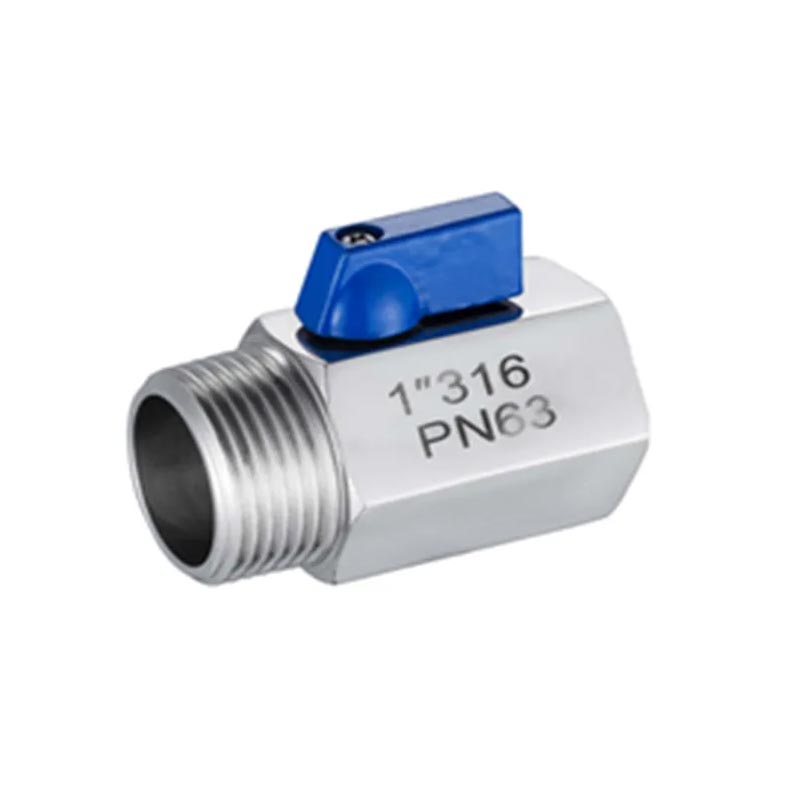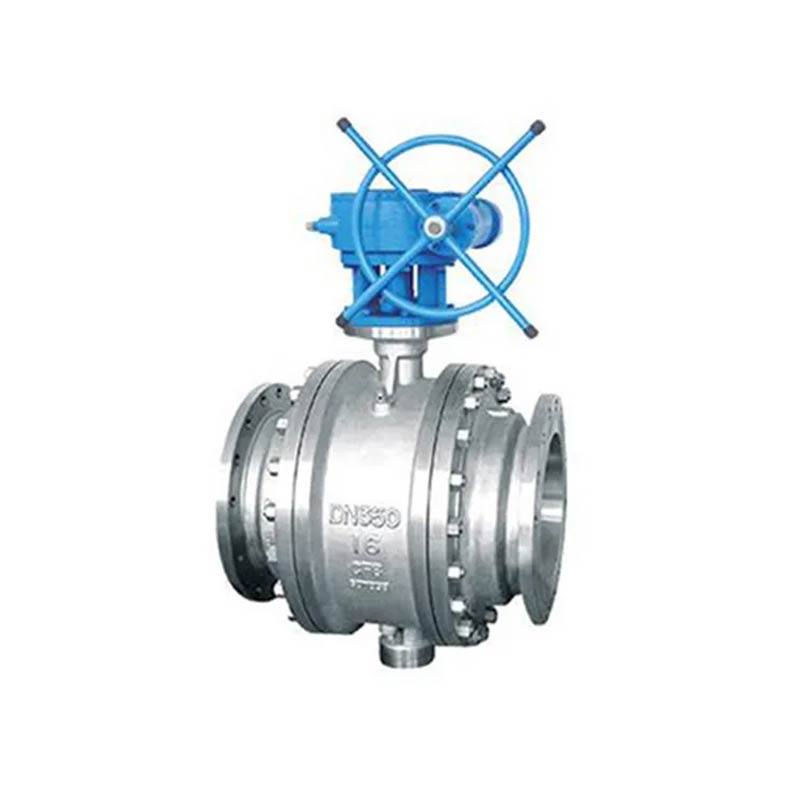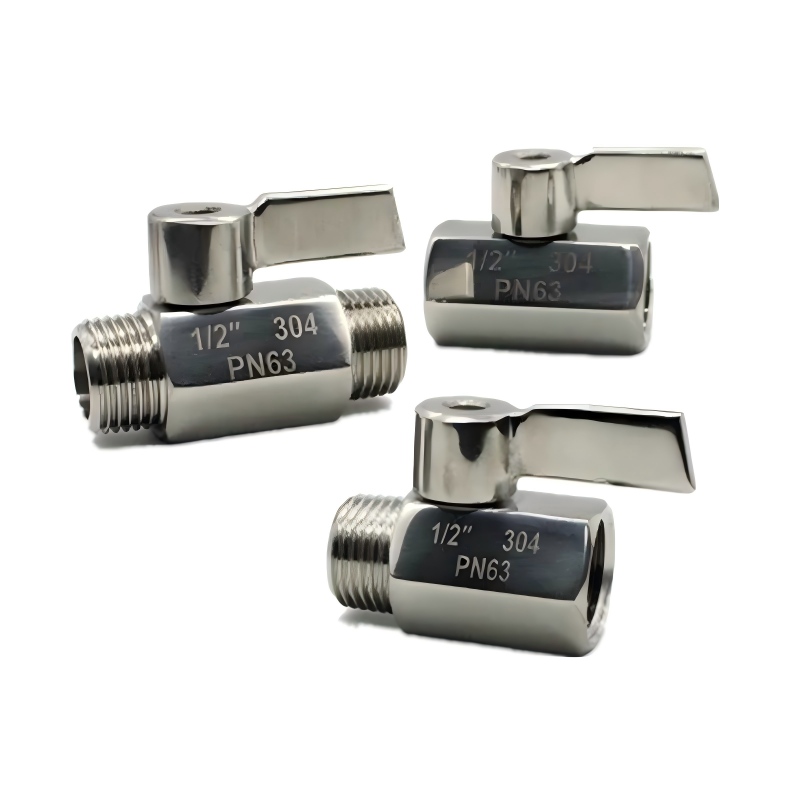
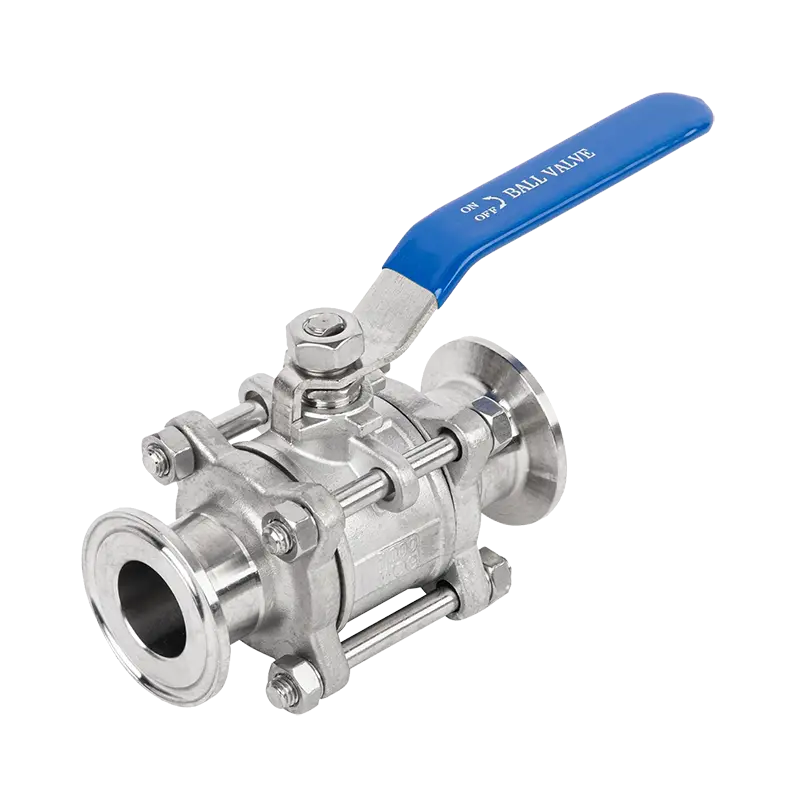
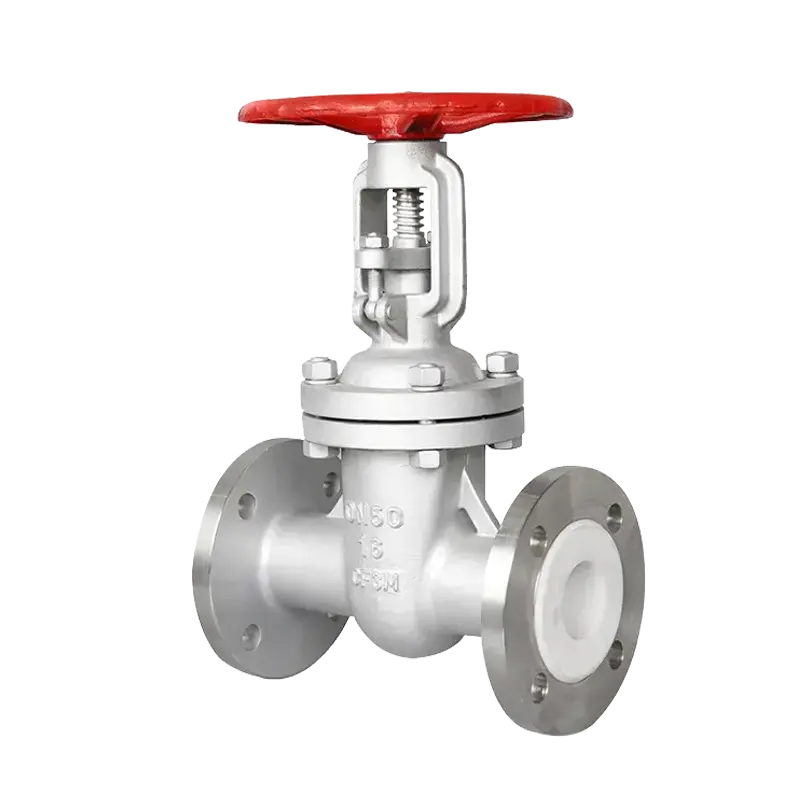
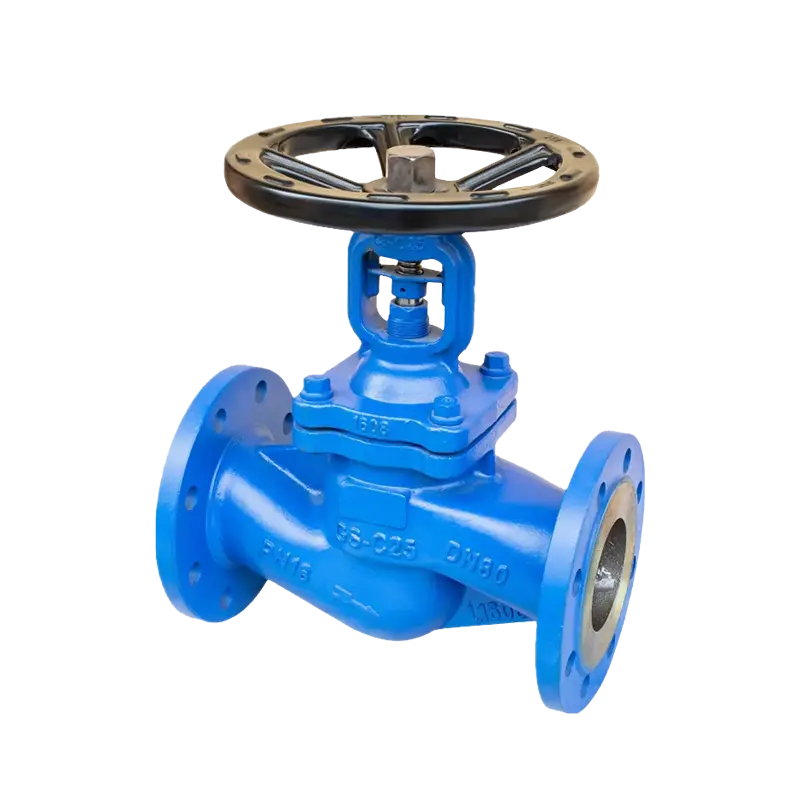
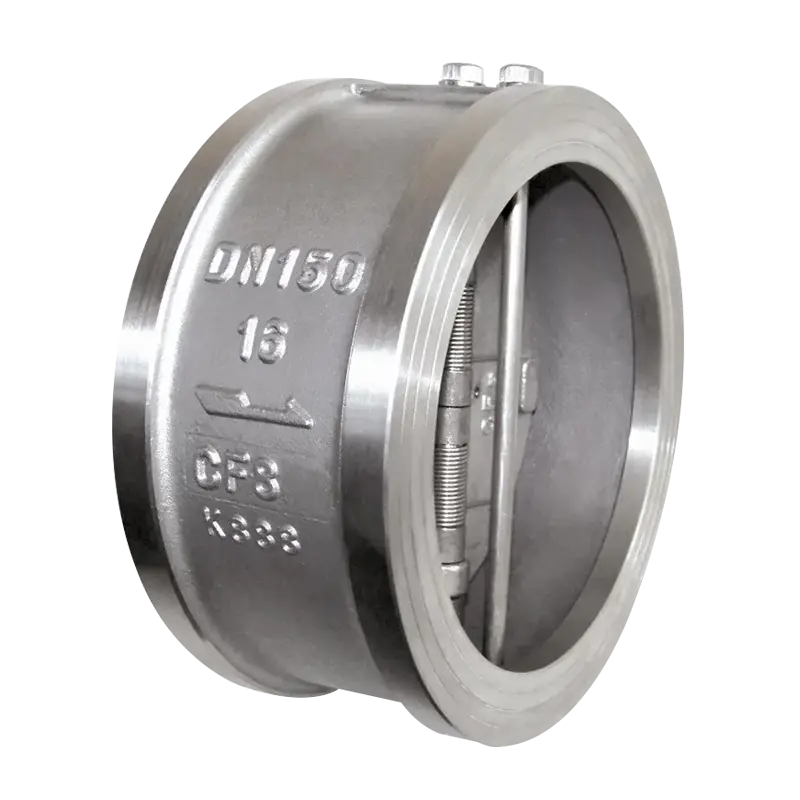
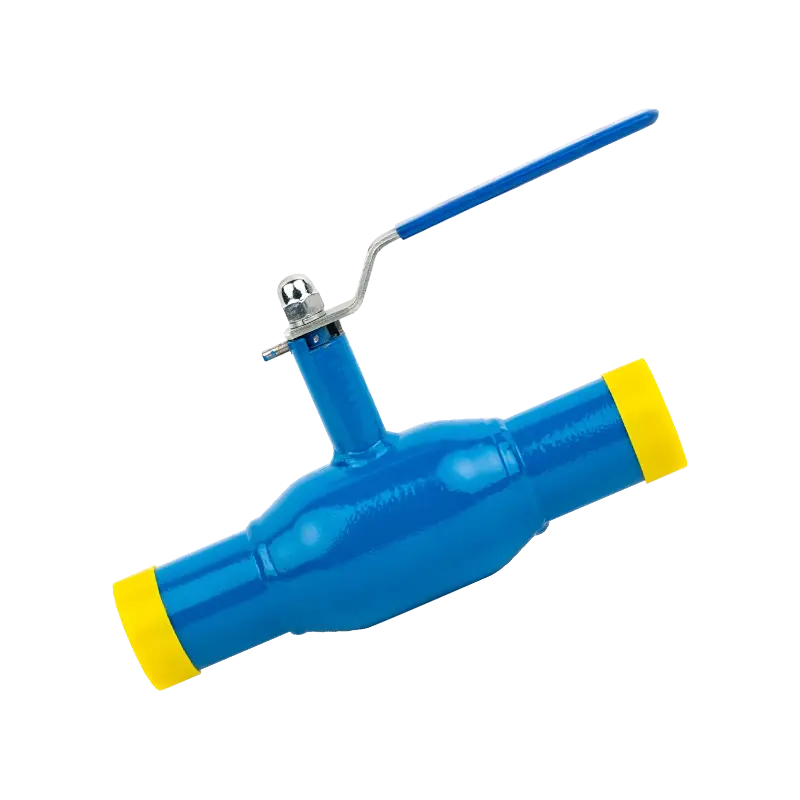

In industries where highly corrosive, toxic, or high-purity media are handled every day, valve selection directly affects safety, uptime, and total operating cost. A Fluorine Lined Flange Ball Valve is specifically engineered to meet these demanding conditions by combining a robust metal valve body with advanced fluoropolymer linings such as PTFE, FEP, or PFA. This structure provides excellent chemical resistance while maintaining precise flow control and long service life.
From chemical processing and pharmaceuticals to petrochemicals and fine chemicals, the Fluorine Lined Flange Ball Valve has become a trusted solution for aggressive applications where traditional metal valves may fail prematurely.
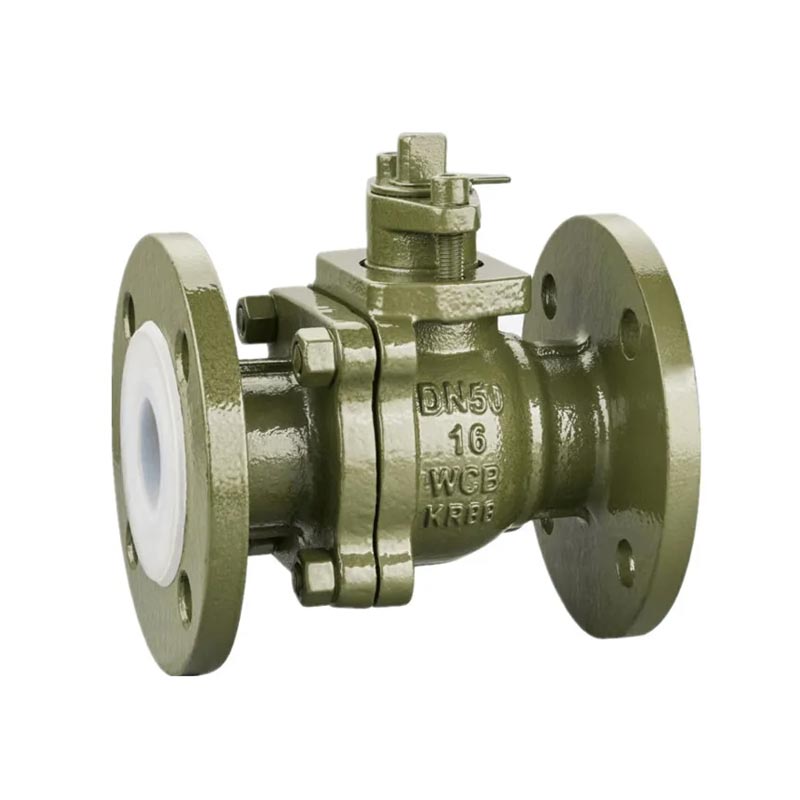
The primary reason engineers select a Fluorine Lined Flange Ball Valve is its unmatched resistance to corrosion. Fluoropolymer linings act as a protective barrier between the process media and the metal body, preventing chemical attack, scaling, and contamination.
Key advantages include:
Excellent resistance to acids, alkalis, solvents, and oxidizing agents
Smooth, non-stick internal surface that minimizes pressure loss
High sealing performance with low torque operation
Long service life even under harsh operating conditions
These features make fluorine-lined valves ideal for applications where safety, purity, and reliability are critical.
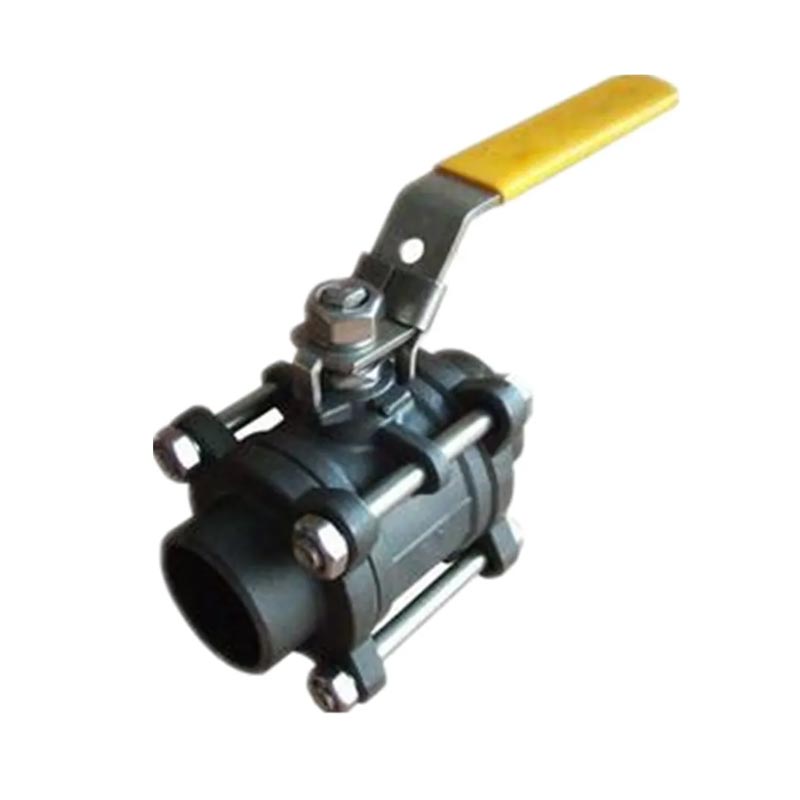
A Fluorine Lined Flange Ball Valve operates using a spherical ball with a through-hole. When the ball rotates 90 degrees, the valve opens or closes, allowing or stopping flow instantly. The internal ball, seats, and wetted surfaces are fully lined with fluorine-based materials, ensuring that the media never contacts the metal body.
This design provides:
Fast on/off operation
Bubble-tight shutoff
Minimal wear due to low friction lining materials
As a result, the valve maintains consistent performance over repeated cycles.
To help engineers and procurement teams make informed decisions, below is a concise overview of the main technical parameters of our Fluorine Lined Flange Ball Valve.
| Parameter | Specification |
|---|---|
| Nominal Size | DN15 – DN300 |
| Pressure Rating | PN10 / PN16 / Class 150 |
| Body Material | Carbon Steel / Stainless Steel (WCB, CF8, CF8M) |
| Lining Material | PTFE, FEP, PFA |
| Ball Material | Stainless Steel with Fluorine Lining |
| Seat Material | PTFE / Reinforced PTFE |
| Connection Type | Flanged (ANSI, DIN, JIS) |
| Operating Temperature | -20°C to +180°C |
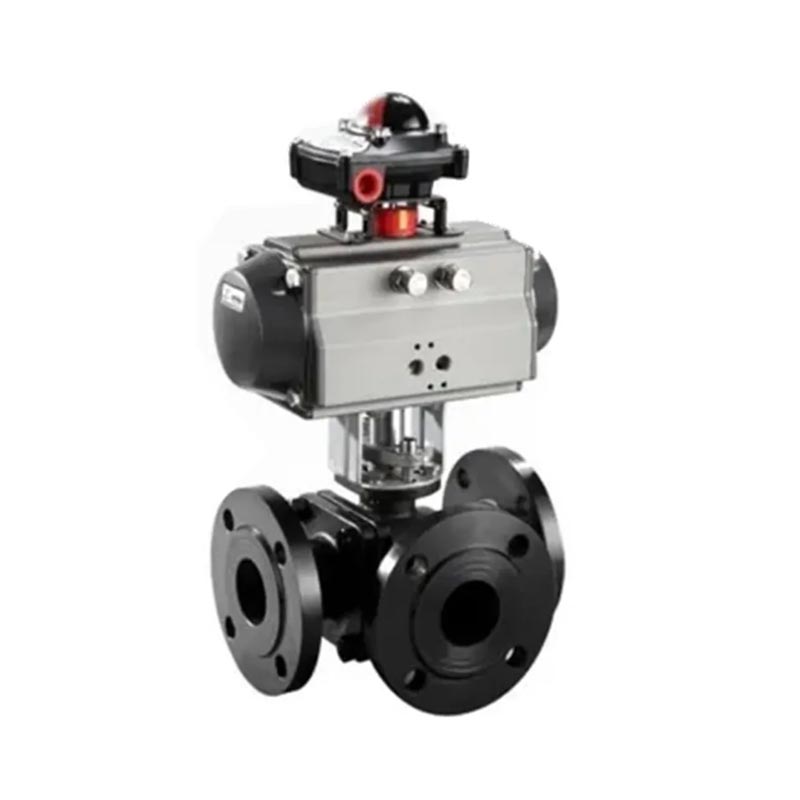
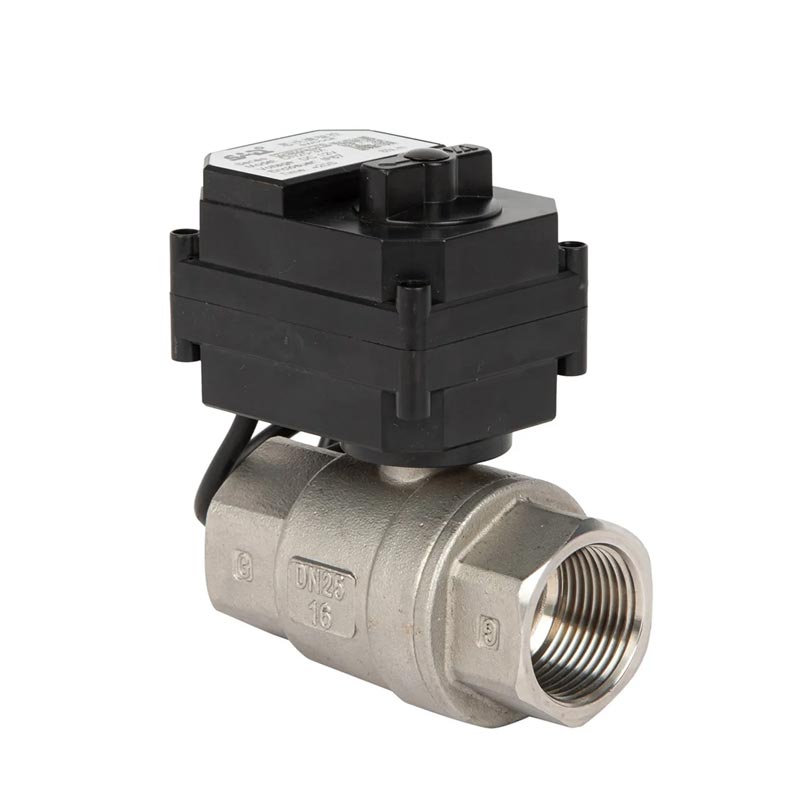
| Operation | Manual, Pneumatic, Electric |
This standardized configuration ensures compatibility with most international piping systems while delivering stable and safe performance.
The versatility of the Fluorine Lined Flange Ball Valve allows it to perform reliably across multiple industries:
Chemical Processing: Handling strong acids, chlorine, and corrosive solvents
Pharmaceuticals: Maintaining purity and preventing contamination
Petrochemical: Managing aggressive hydrocarbons and additives
Water Treatment: Controlling corrosive treatment chemicals
Electroplating and Surface Treatment: Withstanding high-corrosion environments
In each of these sectors, operational reliability and chemical compatibility are essential.
When comparing a Fluorine Lined Flange Ball Valve with a conventional stainless steel ball valve, the key difference lies in corrosion resistance.
Stainless Steel Ball Valve: Suitable for mild to moderate corrosion, limited chemical compatibility
Fluorine Lined Flange Ball Valve: Excellent resistance to almost all chemical media, longer lifespan
While stainless steel valves may have a lower initial cost, fluorine-lined valves often provide better long-term value by reducing maintenance, downtime, and replacement frequency.
The flanged connection of a Fluorine Lined Flange Ball Valve ensures easy alignment and secure sealing in pipeline systems. Standardized flange dimensions allow quick installation and replacement without modifying existing piping.
Benefits of flange connections include:
High mechanical strength
Reliable sealing performance
Convenient inspection and maintenance
This design is particularly valuable in large-diameter or high-pressure systems.
Each Fluorine Lined Flange Ball Valve is manufactured under strict quality control procedures, including:
Lining thickness inspection
Pressure and sealing tests
Dimensional verification
Material traceability
These measures ensure that every valve meets performance expectations before delivery.
Q1: What media is a Fluorine Lined Flange Ball Valve suitable for?
A1: A Fluorine Lined Flange Ball Valve is suitable for strong acids, alkalis, organic solvents, oxidizers, and other highly corrosive fluids, making it ideal for chemical and pharmaceutical applications.
Q2: What temperature range can a Fluorine Lined Flange Ball Valve handle?
A2: Depending on the lining material, a Fluorine Lined Flange Ball Valve typically operates between -20°C and +180°C, maintaining stable sealing performance within this range.
Q3: How long is the service life of a Fluorine Lined Flange Ball Valve?
A3: With proper selection and maintenance, a Fluorine Lined Flange Ball Valve can provide many years of reliable service, significantly longer than unlined metal valves in corrosive environments.
Q4: Can a Fluorine Lined Flange Ball Valve be automated?
A4: Yes, a Fluorine Lined Flange Ball Valve can be equipped with pneumatic or electric actuators for automated control in modern process systems.
Choosing the right manufacturer is as important as selecting the right valve. Wenzhou Joepai Valve Co., Ltd. specializes in high-performance industrial valves, offering reliable Fluorine Lined Flange Ball Valve solutions tailored to diverse application requirements.
With advanced manufacturing facilities, experienced engineers, and strict quality standards, the company delivers valves that meet international expectations for safety and durability. For technical consultation, customized solutions, or product inquiries, contact Wenzhou Joepai Valve Co., Ltd. to support your next project with confidence.