
Industrial pipeline systems are becoming increasingly diverse as manufacturing, water treatment, chemical processing, and equipment production continue to develop. Different operating environments require suitable flow control components, particularly in systems where regular inspection, equipment replacement, and pipeline maintenance are part of daily operations.
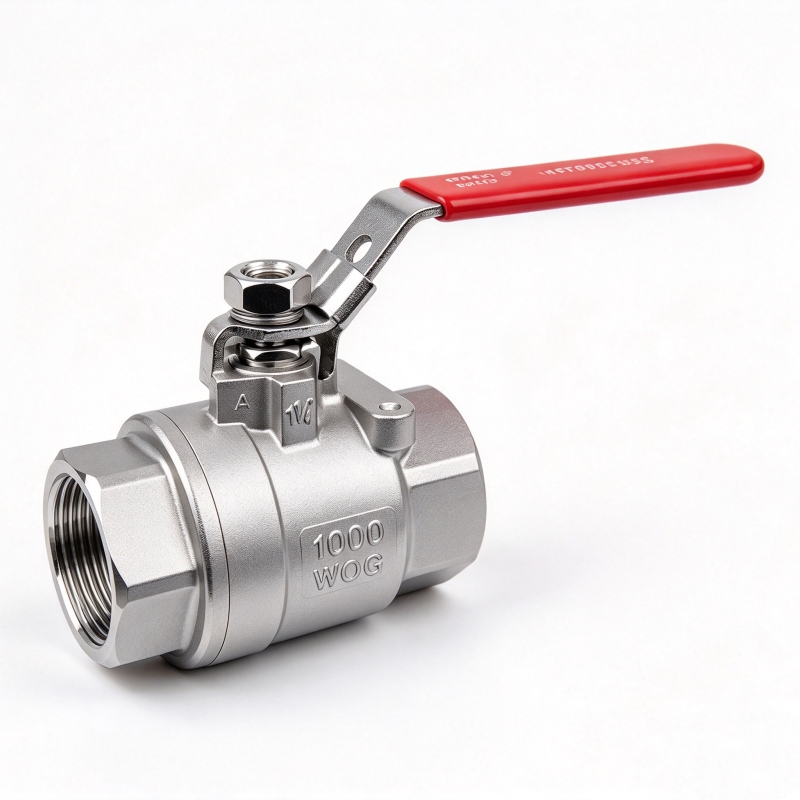
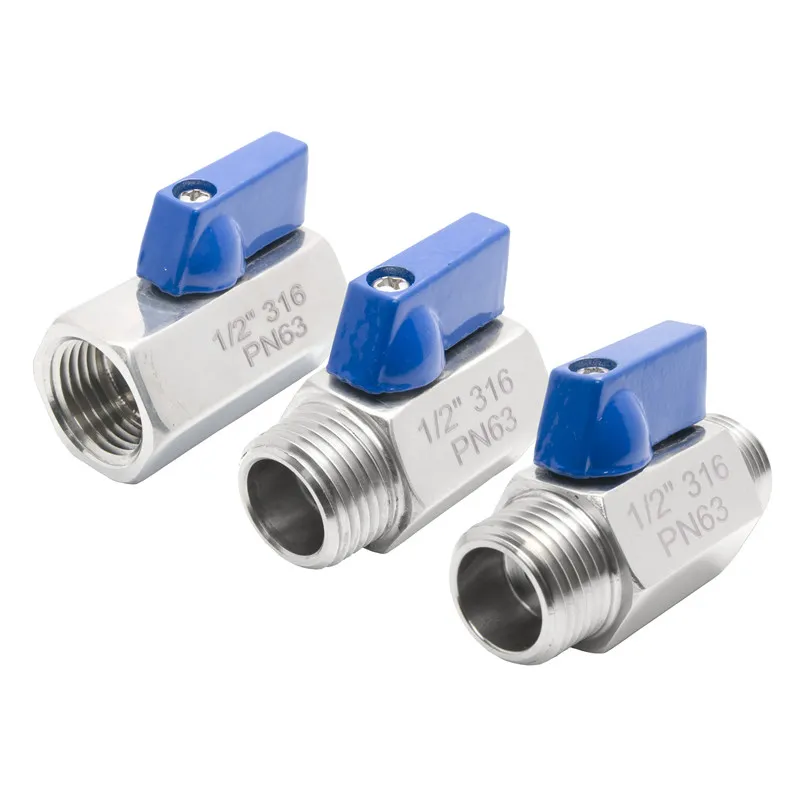
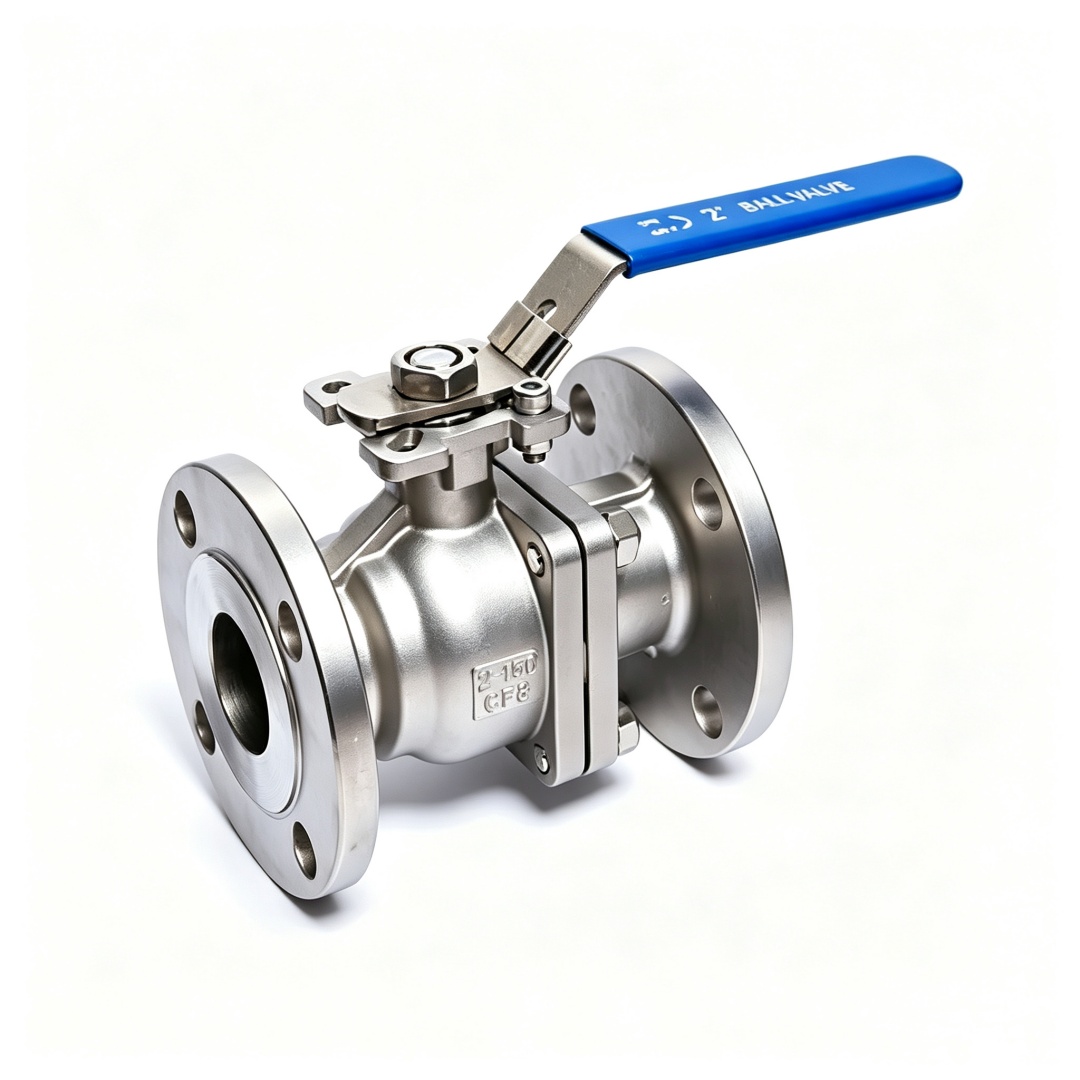
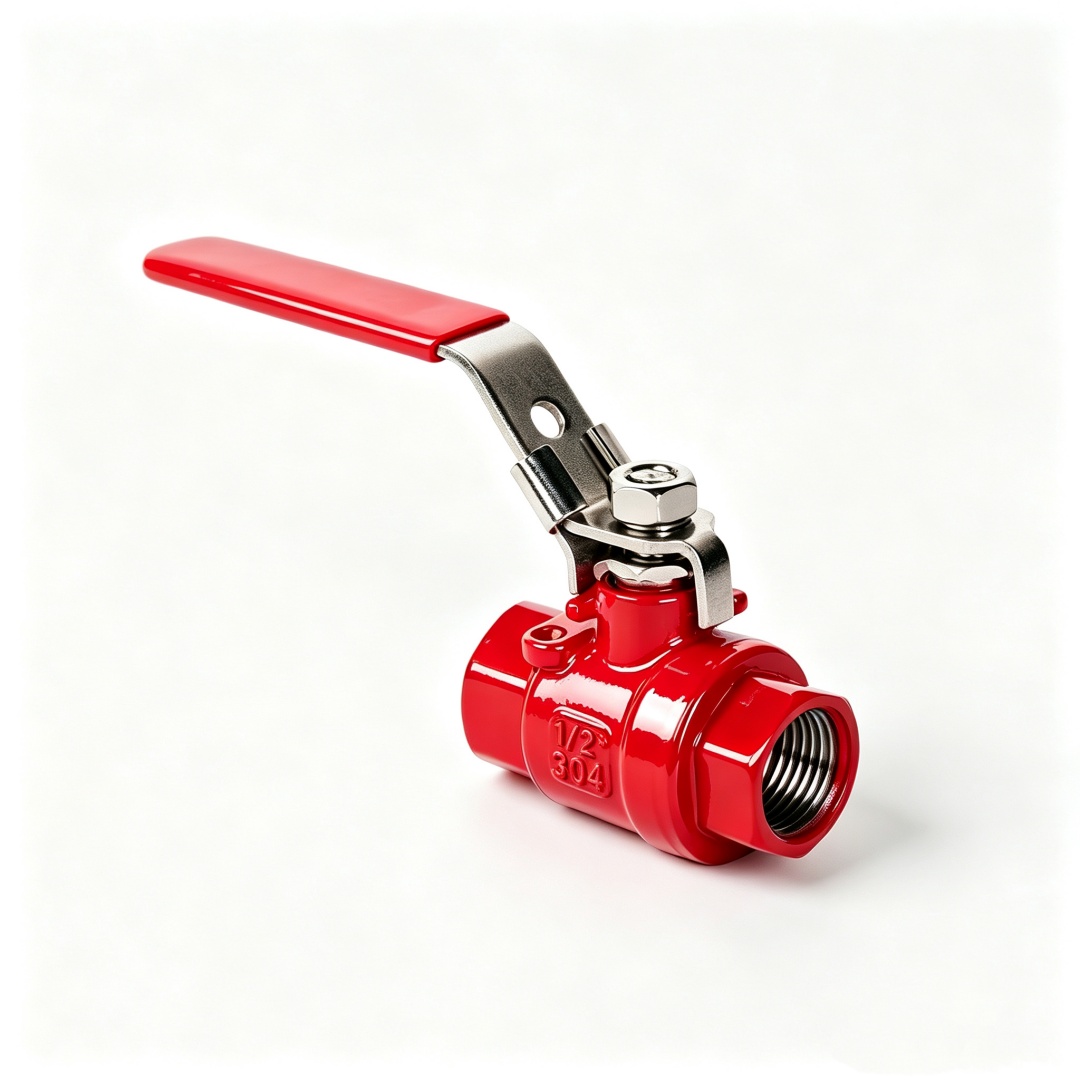
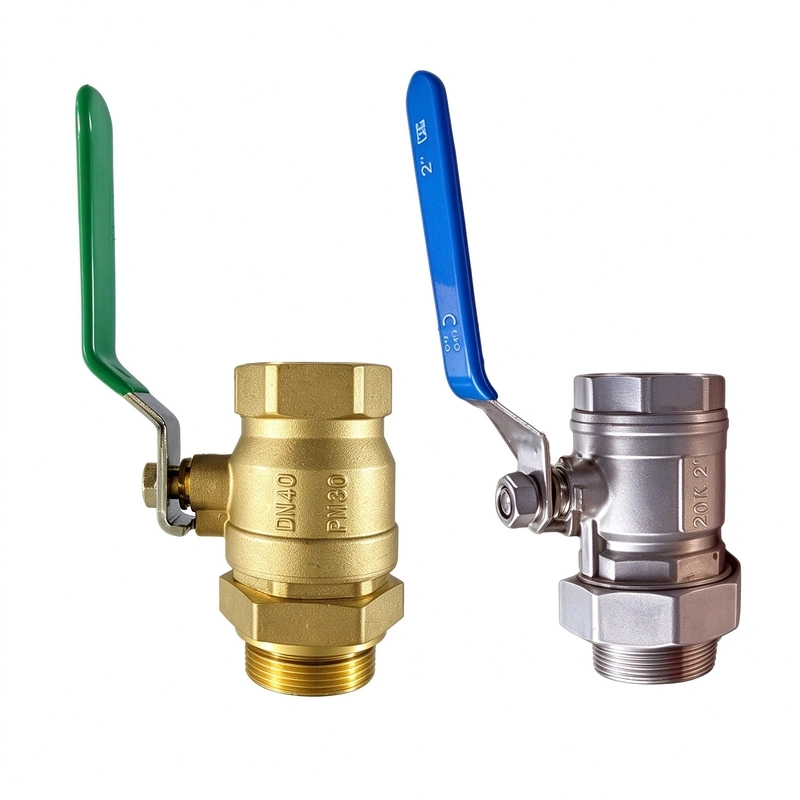
Among the various valve configurations used in industrial fluid handling, 2-Piece Threaded Stainless Steel Union Ball Valves represent a practical solution for pipeline installations requiring manual shut-off and removable connections. Their application reflects a broader engineering consideration: selecting connection structures that simplify maintenance without compromising the operating requirements of the system.
As industrial facilities pay greater attention to equipment accessibility, material compatibility, and maintenance efficiency, understanding the role of threaded union connections has become increasingly relevant to pipeline design.
Industrial pipeline maintenance involves more than repairing damaged components. It also includes routine inspection, equipment cleaning, replacement of sealing elements, and modifications to existing pipe arrangements. The accessibility of individual components can directly affect the time and complexity involved in these operations.
In conventional pipeline installations, welded connections provide permanent joints, while flanged connections require bolts and sufficient surrounding space for assembly and disassembly. These methods are suitable for many industrial applications, but they may not always be the most convenient option for compact equipment connections or smaller auxiliary pipelines.
This has increased the practical importance of removable connection designs. Threaded union connections allow certain pipeline components to be disconnected without rotating the entire pipe assembly. For maintenance personnel, this can simplify valve removal, particularly when the surrounding piping is fixed or connected to other equipment.
In this context, 2-Piece Threaded Stainless Steel Union Ball Valves are used in applications where both manual flow isolation and convenient disconnection are required. Their suitability depends on the pipeline size, operating pressure, fluid characteristics, and applicable connection standards.
Threaded connections remain common in smaller industrial piping systems, auxiliary equipment lines, and fluid distribution assemblies. Compared with permanent welded joints, threaded connections provide a mechanical assembly method that can be particularly useful when equipment needs to be installed or replaced.
A union connection introduces an additional separation point between the connected components. Instead of requiring the entire valve or adjacent pipework to rotate during removal, the union nut can be loosened to separate the connection, provided the installation has been designed with adequate access.
This arrangement is useful in several engineering situations:
However, threaded connection compatibility must be confirmed before installation. NPT and BSP threads are different standards and should not be treated as interchangeable. Proper thread engagement, sealing materials, and installation procedures are also important for preventing leakage.
Material selection is closely related to the service life and operating reliability of industrial valves. Pipeline components may be exposed to water, cleaning agents, process chemicals, temperature variations, and other environmental conditions. The selected material must therefore be compatible with the actual operating medium.
Stainless steel is widely used in industrial fluid handling because of its corrosion resistance, mechanical strength, and manufacturing versatility. Different stainless steel grades provide different levels of resistance to specific environments.
304 stainless steel is commonly used in water systems, general-purpose industrial equipment, and applications involving relatively mild corrosive conditions. It provides a balance of corrosion resistance and mechanical properties for many standard fluid-handling requirements.
316 stainless steel contains molybdenum, which improves its resistance to certain corrosive environments, particularly those involving chloride exposure. It is frequently considered for chemical processing equipment and applications where greater corrosion resistance is required.
Nevertheless, stainless steel selection should not be based on grade alone. Fluid composition, concentration, temperature, pressure, and exposure conditions all influence material compatibility. The ball, stem, seats, and sealing components must also be evaluated as part of the complete valve assembly.
Ball valves operate through a quarter-turn mechanism. A spherical closure element with a bore rotates inside the valve body to control fluid passage. When the bore aligns with the pipeline, the valve is open. When the ball rotates approximately 90 degrees, the solid surface blocks the flow path.
This operating principle makes ball valves suitable for applications requiring straightforward manual shut-off. Compared with multi-turn valve mechanisms, quarter-turn operation generally requires less handle rotation and allows the operating position to be identified more easily.
In industrial systems, ball valves are commonly installed in water distribution lines, equipment supply connections, cooling circuits, and process pipelines. Their primary function is flow isolation rather than precise continuous throttling. Prolonged operation in partially open positions should be evaluated against the manufacturer's recommendations because it may affect seat wear and operating performance.
For threaded union configurations, the combination of quarter-turn operation and removable connections addresses two separate installation requirements: controlling fluid passage and providing access for maintenance.
The application of threaded union ball valves depends on pipeline design and the properties of the transported medium. Their connection arrangement is particularly relevant to smaller pipeline assemblies and equipment systems where removable components are preferred.
Water treatment facilities use valves throughout filtration, water distribution, and auxiliary piping systems. Manual shut-off points are needed to isolate individual equipment sections during filter replacement, inspection, or routine servicing. Stainless steel valves may be selected when their material and sealing components are compatible with the water quality and treatment chemicals.
Chemical processing pipelines require careful consideration of material compatibility. Different fluids may have different effects on stainless steel grades and polymer sealing materials. Threaded union ball valves can be considered for suitable auxiliary lines and equipment connections, provided their pressure, temperature, and chemical resistance ratings meet the process requirements.
Cooling circuits and auxiliary fluid lines often contain multiple connection points around pumps, heat exchangers, and production machinery. Removable valve connections can simplify certain maintenance operations, especially when surrounding equipment and pipework remain fixed during servicing.
Stainless steel is frequently used in food and beverage production environments because of its corrosion resistance and suitability for equipment manufacturing. However, standard threaded union ball valves should be distinguished from sanitary valve designs. Applications involving hygienic processing require appropriate surface finishes, connection structures, cleanability, and relevant sanitary certifications.
Correct installation is essential for maintaining the sealing performance and mechanical reliability of pipeline valves. Even when a valve has an appropriate pressure rating and material specification, incorrect thread engagement or unsuitable sealing methods can result in leakage.
Before installation, the pipeline connection standard, valve dimensions, operating pressure, and temperature range should be checked. Threaded components should be inspected for damage, contamination, or irregular machining.
During assembly, the selected thread-sealing material must be compatible with the transported medium and operating conditions. Installation torque should follow the manufacturer's instructions rather than relying on excessive tightening, which may damage threads or sealing surfaces.
Maintenance procedures should include periodic checks of external connections, valve handles, stem areas, and visible signs of corrosion or leakage. If operating resistance increases or the valve no longer provides effective shut-off, the internal sealing components may require inspection.
Before removing a valve from an operating pipeline, the relevant section must be isolated, depressurized, and drained in accordance with site safety procedures. A ball valve should never be disassembled while the pipeline remains under pressure.
Industrial valve selection is increasingly influenced by the need to balance operating reliability, installation conditions, and maintenance accessibility. Rather than choosing components based solely on nominal pipe size, engineers must consider how individual valves interact with the entire pipeline arrangement.
Several factors continue to influence valve specification and purchasing decisions across industrial applications.
These considerations are relevant not only to 2-Piece Threaded Stainless Steel Union Ball Valves, but also to the wider industrial valve sector. As pipeline systems become more specialized, accurate technical specifications and application-based selection remain important parts of equipment engineering.
Industrial pipeline design requires careful consideration of valve structure, connection methods, material compatibility, and long-term maintenance requirements. Threaded union connections provide a practical approach for certain installations where removable components and convenient servicing are important.
2-Piece Threaded Stainless Steel Union Ball Valves combine a two-piece body configuration with quarter-turn flow control and threaded union connections. Their application is determined by the actual pipeline conditions, including fluid characteristics, pressure, temperature, connection standards, and maintenance requirements.
For manufacturers in the industrial valve sector, maintaining consistent production quality and providing accurate technical documentation are important for supporting reliable valve selection across different fluid-handling applications.
-