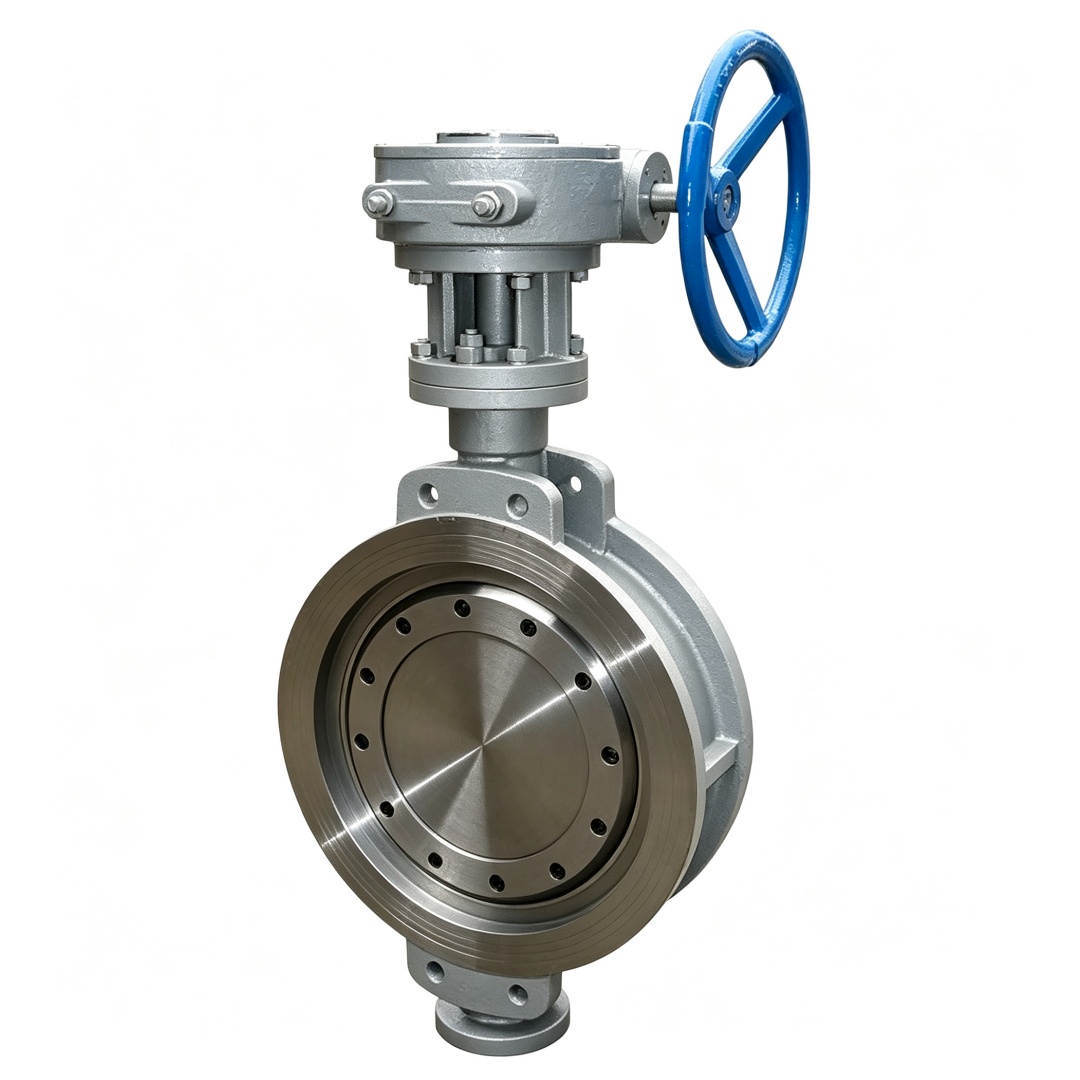
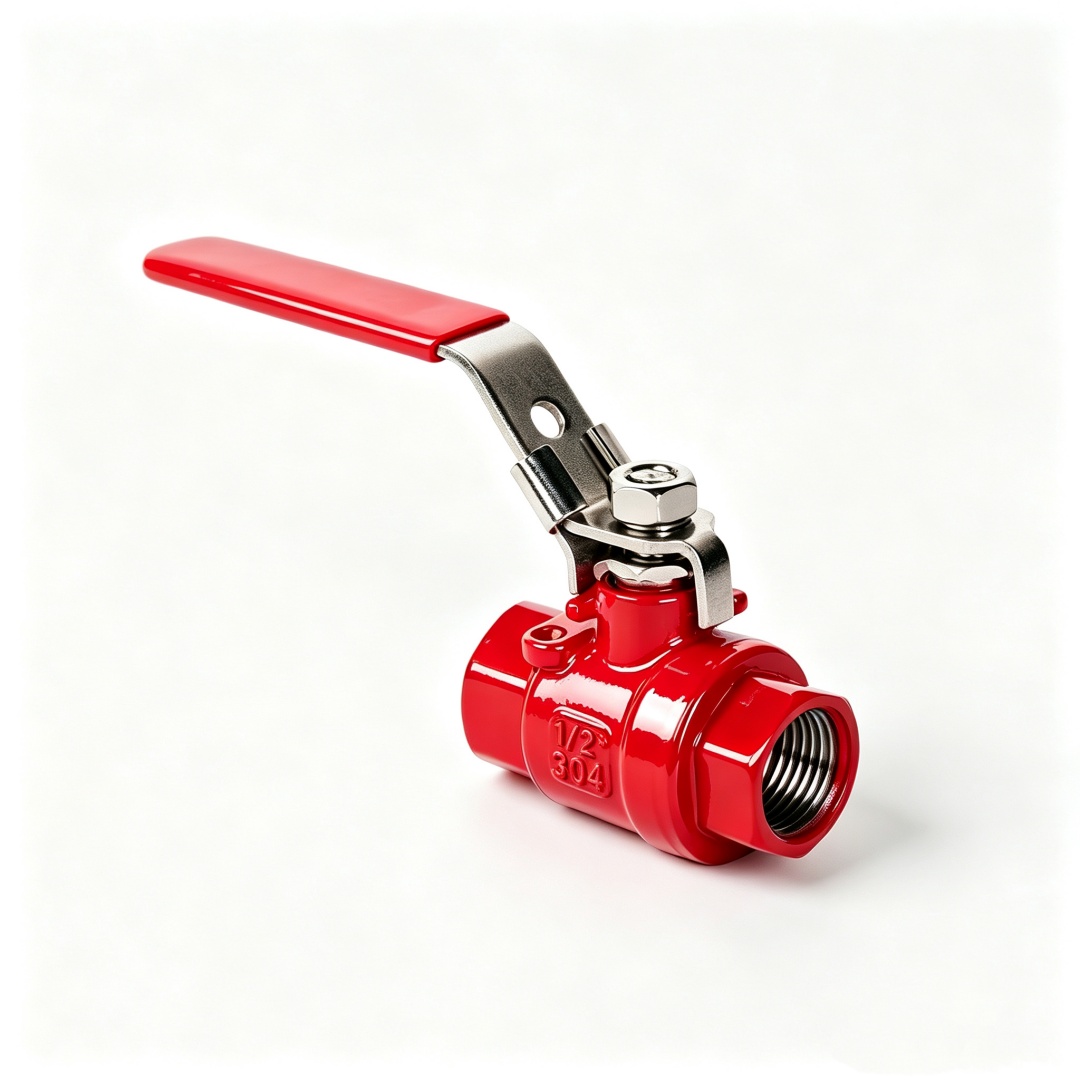

Fire water supply reliability is a critical consideration in the design and operation of high-rise buildings. As buildings become taller and more complex, fire protection systems must maintain suitable water pressure, provide dependable water distribution, and support emergency response under demanding conditions. These requirements place greater emphasis on the selection of valves, booster equipment, pipe connections, and other components that influence the overall performance of a fire protection network.
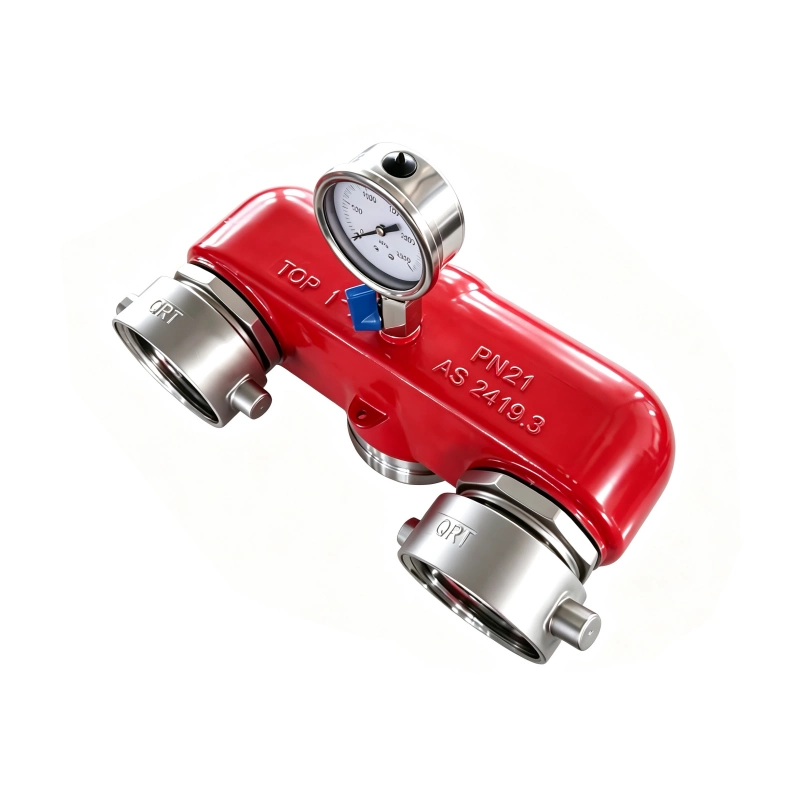
A Stainless Steel Dual Booster Valve with Bottom Outlet QRT Assembly is one of the equipment configurations that can be evaluated when planning specialized fire water supply arrangements. Its suitability depends on the intended system design, pressure requirements, connection specifications, installation conditions, and applicable fire protection standards. Rather than relying on a single component to guarantee reliability, engineers need to consider how valve assemblies work together with pumps, water storage facilities, control equipment, and distribution pipelines.
This article examines the main challenges of high-rise fire water supply, the potential role of dual booster valve assemblies, and the practical factors that should be considered during equipment selection, installation, and maintenance.
High-rise buildings create several engineering challenges for fire protection systems. The vertical distance between the water source and upper floors increases the pressure required to deliver water to designated outlets. At the same time, different floors and building zones may have different operating pressure requirements. A system must therefore balance the need for sufficient pressure at elevated locations with the need to prevent excessive pressure in lower sections.
Water pressure decreases as elevation increases. Under static conditions, the approximate pressure difference caused by elevation is 9.81 kPa per meter of water height. For example, a vertical elevation difference of 100 meters represents approximately 0.98 MPa of static pressure difference before accounting for pipe friction, fittings, equipment losses, and other operating conditions.
This calculation illustrates why a single undivided water distribution arrangement may not be suitable for every high-rise project. Depending on building height and system design, engineers may need to consider pressure zones, intermediate booster arrangements, pressure-reducing devices, and dedicated fire pumps. Each component must be selected according to the design flow, required residual pressure, maximum working pressure, and applicable fire protection requirements.
Fire protection systems must be designed for specified emergency operating conditions rather than ordinary daily water consumption. When multiple firefighting outlets operate simultaneously, the required flow and pressure conditions may differ significantly from those experienced during routine inspections.
Valve assemblies and associated equipment must be compatible with these anticipated operating conditions. Incorrect sizing, unsuitable pressure ratings, or excessive resistance within the piping network can affect hydraulic performance. Consequently, engineers should evaluate the complete system rather than treating individual valves as independent solutions.
Fire protection equipment may remain inactive for extended periods, making inspection and maintenance particularly important. Corrosion, seal deterioration, contamination, incorrect valve positioning, and mechanical damage can compromise readiness if they remain undetected.
Equipment materials, internal construction, installation orientation, and accessibility all influence maintenance requirements. Stainless steel components may be appropriate for certain environments because of their corrosion resistance, but the specific stainless steel grade, water chemistry, temperature, and exposure conditions must still be evaluated before selection.
Booster-related valve assemblies can form part of a broader strategy for managing pressure and controlling water movement within a fire protection network. Their actual function depends on the assembly's internal design, the valves included, the connection arrangement, and the system in which they are installed.
In high-rise applications, booster equipment is generally selected to help provide the pressure required by a designated system zone. Associated valves may support isolation, flow control, maintenance, or other specified functions. The exact capabilities depend on the equipment configuration and should be verified against the manufacturer's technical documentation.
A dual-booster arrangement should not automatically be interpreted as a redundant system. Two booster-related components do not necessarily provide backup capacity if they share the same power supply, control system, water source, or critical pipeline. Engineers must determine whether the configuration meets the project's requirements for operational continuity and failure management.
A bottom outlet configuration describes the location of an outlet connection within an assembly. Depending on the product's internal structure and intended application, this arrangement may influence pipeline routing, connection orientation, available installation space, and maintenance access.
For projects with limited mechanical-room space or specific piping layouts, outlet orientation can be an important equipment-selection consideration. However, a bottom outlet does not inherently guarantee lower pressure loss, improved fire performance, or greater system reliability. These characteristics must be established through the assembly's design specifications, hydraulic data, and installation requirements.
Stainless steel is widely used in industrial fluid-control applications because suitable grades can provide useful resistance to corrosion and mechanical wear. In fire water systems, the appropriate material must be assessed against the water composition, operating pressure, temperature range, connection method, and relevant standards.
Material selection should also cover seals, seats, fasteners, and other wetted components rather than focusing exclusively on the external valve body. Compatibility among all components helps reduce the risk of premature deterioration and supports long-term maintenance planning.
Product selection should begin with the project's engineering requirements. A Stainless Steel Dual Booster Valve with Bottom Outlet QRT Assembly that fits the available pipework may still be unsuitable if its pressure rating, flow capacity, materials, or connection dimensions do not match the intended application.
Engineers should confirm the required working pressure, maximum foreseeable pressure, pressure transients, design flow, and applicable temperature range. Where booster pumps are involved, the assessment should account for pump operating characteristics and potential pressure fluctuations during startup, shutdown, and changes in demand.
The assembly's rated pressure must be compatible with the conditions it may experience in service. If the system is divided into pressure zones, the selection process should establish which zone the equipment serves and how it interacts with adjacent components.
Connection compatibility is essential for safe installation. Before ordering equipment, technical teams should confirm nominal size, connection type, center-to-center dimensions where relevant, outlet orientation, and available installation clearance.
Drawings and dimensional documentation can help identify potential interference with nearby pipes, supports, pumps, walls, and inspection access points. These checks are especially useful in retrofit projects, where the existing pipe arrangement may restrict installation options.
The specified stainless steel grade should be suitable for the service environment. Engineers should also review the materials used for valve seats, seals, gaskets, and other components that contact the water or influence pressure containment.
Material documentation and inspection records can help verify that supplied equipment corresponds to the project specification. Where special environmental or water-quality conditions exist, additional compatibility assessment may be necessary.
Flow capacity and pressure loss are important when evaluating valves and related assemblies. A component that introduces excessive resistance may affect the pressure available at downstream outlets, particularly under high-demand conditions.
Technical evaluation should therefore consider available flow curves, pressure-drop data, and the operating range specified by the manufacturer. Where detailed performance data are unavailable, engineers should request clarification rather than assume that a particular outlet arrangement automatically improves hydraulic efficiency.
Fire protection systems are subject to local codes, project specifications, and approval requirements. Depending on the jurisdiction and application, relevant requirements may cover fire pumps, valves, piping, installation, inspection, testing, and maintenance.
Standards applicable to general industrial valves do not necessarily establish that a product is approved for every fire protection application. Procurement and engineering teams should verify the exact requirements for the project and request applicable certificates, test reports, material records, and product documentation before acceptance.
System resilience depends on how the complete fire water supply network is designed. Additional booster equipment may contribute to a particular operating strategy, but the reliability benefit depends on the arrangement of pumps, valves, power sources, controls, water supplies, and distribution routes.
Where uninterrupted operation is required, engineers should assess whether critical equipment has suitable standby capacity and whether a single failure could disable both operating paths. Shared power supplies, common control panels, a single suction line, or incorrectly positioned isolation valves can create common points of failure.
A properly engineered redundancy strategy may require independent equipment paths, suitable controls, verified changeover arrangements, and a maintenance plan. The precise requirements depend on building classification, applicable codes, system design, and the intended level of reliability.
Valves used for isolation can help technicians inspect or service designated sections of a network. However, isolation arrangements must be coordinated with the fire protection design to avoid unintentionally disabling required protection. Valve identification, position monitoring where required, and documented restoration procedures are important parts of system management.
Maintenance planning should identify which components can be inspected without affecting the rest of the system and what temporary measures are required when a section must be taken out of service. Any impairment should be managed according to applicable procedures and local requirements.
Commissioning helps confirm that installed equipment operates as intended. Depending on the system and governing requirements, verification may include inspection of connections, pressure testing, flow testing, pump performance checks, control-system verification, and confirmation of valve positions.
Test procedures should be appropriate for the equipment and the overall fire protection installation. Acceptance criteria must come from approved project documents, manufacturer instructions, and applicable standards rather than assumptions about the assembly's design.
Even technically suitable equipment can underperform when the surrounding system is poorly designed or installed. Several common issues deserve attention during project planning and commissioning.
| Common Issue | Potential Consequence | Recommended Action |
|---|---|---|
| Incorrect pressure rating | Equipment may be unsuitable for expected operating conditions. | Verify design pressure, maximum pressure, and pressure transients. |
| Incorrect connection dimensions | Installation delays, additional fittings, or connection problems. | Check approved drawings and product dimensional data before ordering. |
| Unverified material compatibility | Premature corrosion, seal deterioration, or increased maintenance needs. | Confirm materials against water chemistry and environmental conditions. |
| Assuming dual components provide redundancy | Shared failure points may still interrupt water supply. | Review power, control, pump, and pipeline independence. |
| Insufficient commissioning | Installation or operational problems may remain undetected. | Complete documented inspections and required functional tests. |
| Limited maintenance access | Inspection and repair may become difficult or time-consuming. | Review equipment clearance and maintenance procedures during design. |
A structured procurement checklist can help engineering teams compare valve assemblies on consistent technical criteria. The objective is to confirm suitability for the intended system rather than selecting equipment based solely on appearance, material description, or initial cost.
For projects involving customized pipeline layouts, early communication between the equipment manufacturer, fire protection designer, installation contractor, and commissioning team can reduce specification gaps. Providing drawings, operating conditions, and applicable standards at the quotation stage also helps determine whether the proposed assembly matches the actual engineering requirements.
Manufacturing quality is an important part of valve performance. Dimensional consistency, material control, machining accuracy, assembly procedures, and inspection practices can all influence whether a valve meets its specified requirements.
Design tools such as computer-aided design (CAD) and three-dimensional modeling can support dimensional planning and design review. Appropriate production equipment and inspection facilities can help manufacturers identify deviations during manufacturing and verify important product characteristics before delivery.
Quality control should be supported by defined inspection procedures and traceable records where required by the project. Depending on the product specification, relevant checks may include dimensional inspection, material verification, pressure testing, sealing checks, and examination of finished components. The precise test scope should be based on the product design, applicable standards, and contractual requirements.
Reliable supply also depends on clear technical communication. Manufacturers should establish the intended operating conditions, confirm connection details, and clarify documentation requirements before production. These steps are particularly valuable for customized valve assemblies intended for integration into complex industrial or building service systems.
Fire water supply reliability cannot be established through equipment selection alone. A well-designed system also requires regular inspection, documented maintenance, functional verification, and appropriate management of any system impairment.
Building operators should maintain accurate equipment records, including product identification, installation details, inspection history, test results, and replacement information. These records help maintenance teams identify recurring issues and plan servicing before equipment condition becomes a concern.
Inspection intervals and testing procedures should follow applicable codes, manufacturer recommendations, and the building's approved maintenance program. If a valve assembly shows leakage, corrosion, abnormal operation, or damage, qualified personnel should assess the issue and determine the appropriate corrective action.
When equipment is replaced or modified, the change should be checked against the approved system design. Differences in dimensions, pressure ratings, materials, or internal characteristics may affect compatibility with the existing installation. Engineering review helps ensure that replacement equipment does not introduce unintended changes to system performance.
Dual booster valve assemblies with bottom outlet connections may be relevant to certain high-rise fire water supply designs, particularly where pressure management, pipeline routing, and equipment configuration require careful coordination. Their value depends on verified specifications and their integration into the complete system, not on the product name alone.
Engineers and project teams should prioritize hydraulic calculations, suitable pressure ratings, material compatibility, connection accuracy, applicable compliance requirements, and documented commissioning. Where redundancy is necessary, the design must address common failure points across pumps, power supplies, controls, and water distribution routes. Regular inspection and maintenance remain essential throughout the building's service life.
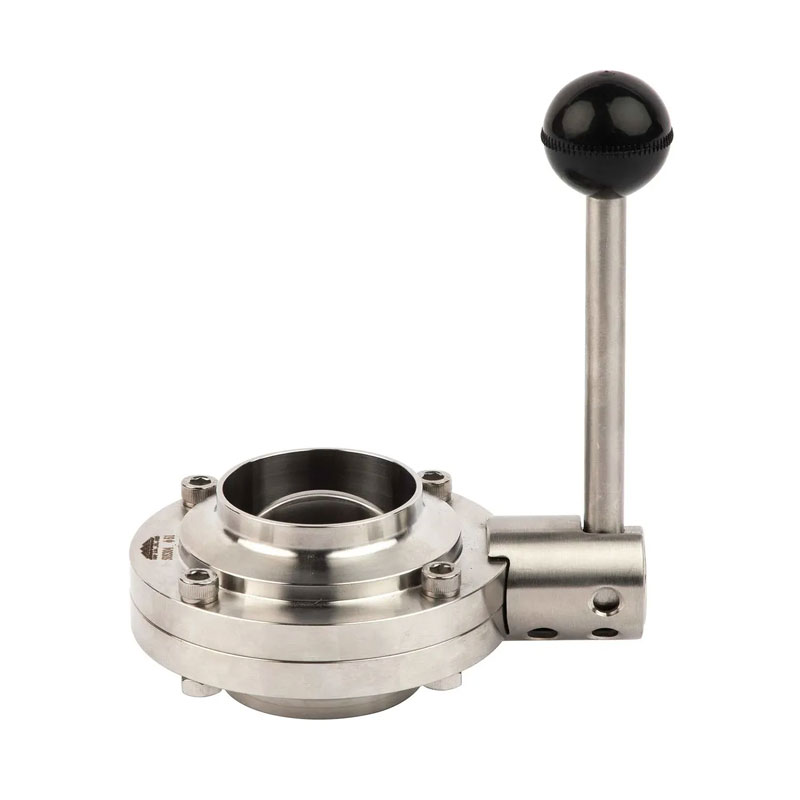
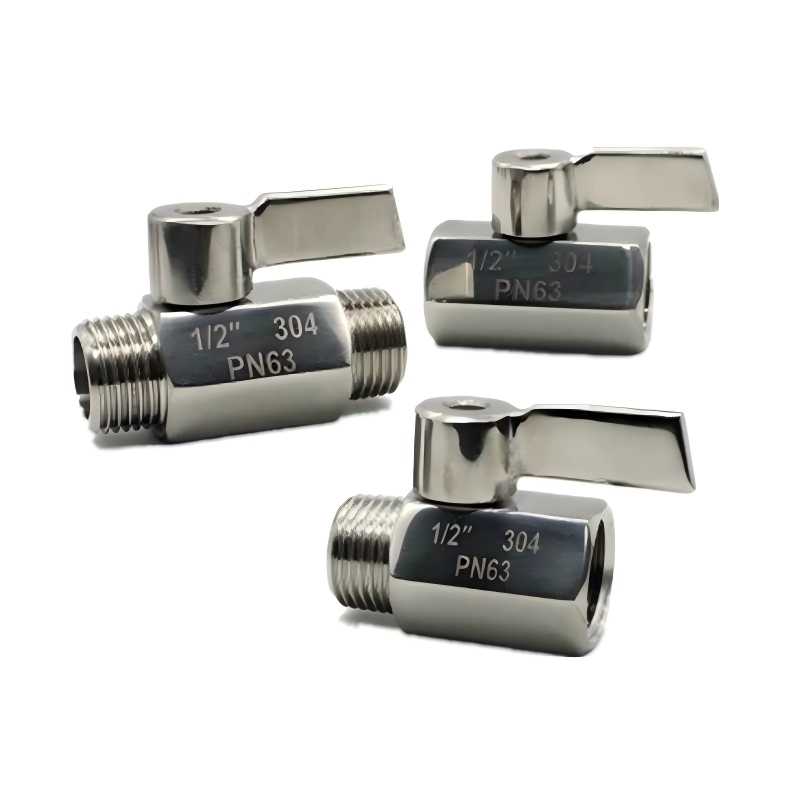
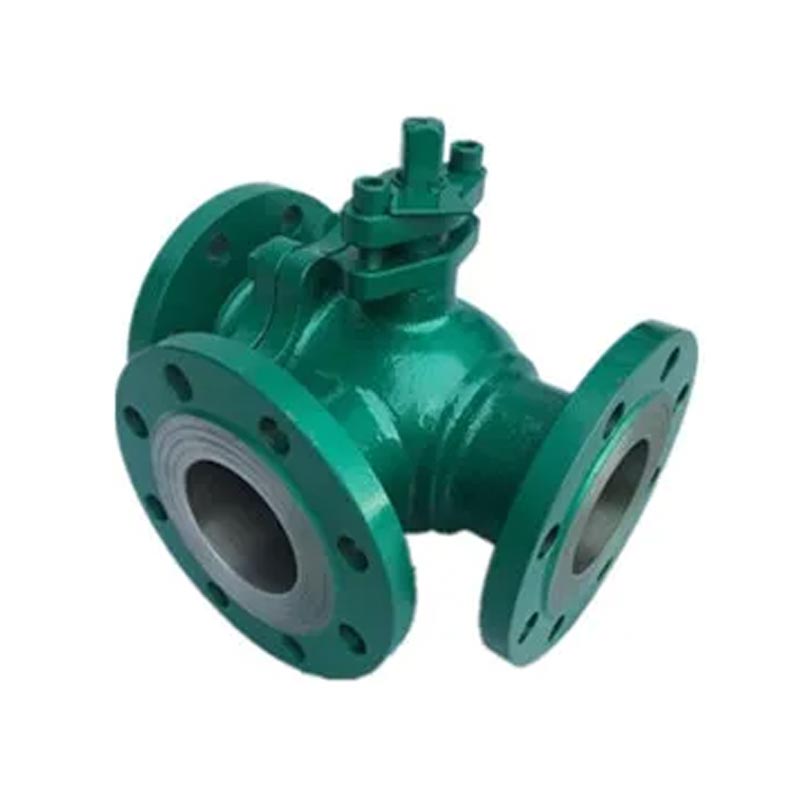
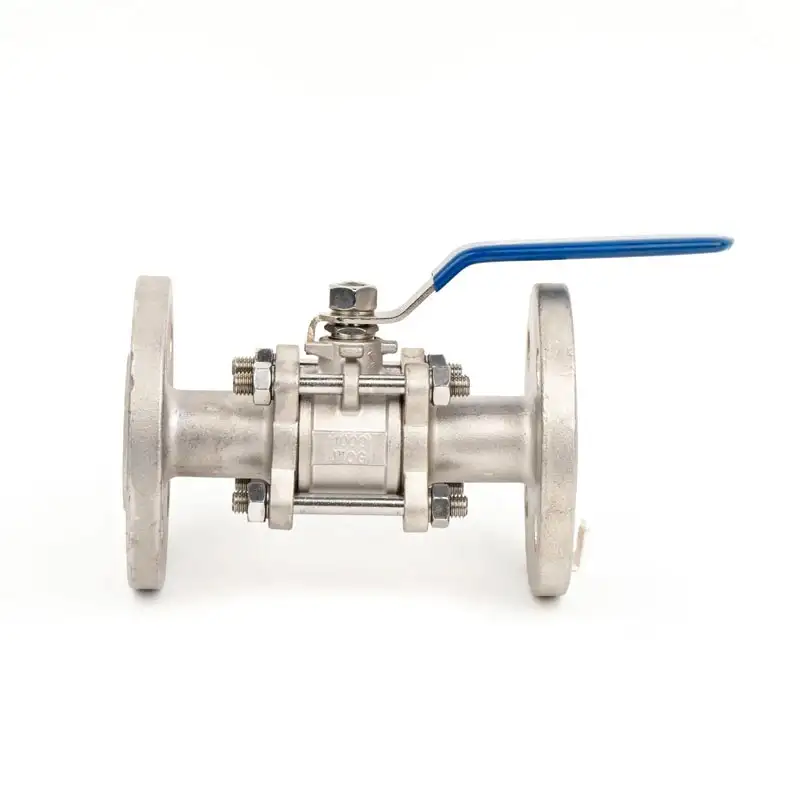
Wenzhou Joepai Valve Co., Ltd. is an industrial valve manufacturer whose predecessor, Jingyue Valve Factory, was established in 2003. Building on its experience in stainless steel ball valves, stainless steel fire hydrants, and booster valves, the company was established in 2020 to expand its research, development, manufacturing, sales, and service capabilities across a wider range of valve products. Its product scope includes gate valves, globe valves, check valves, butterfly valves, strainers, fully welded ball valves, and fluorine-lined valve series.
Located in Longwan District, Wenzhou, Zhejiang Province, Wenzhou Joepai Valve Co., Ltd. integrates design, development, manufacturing, and sales. The company uses CAD design tools, UG three-dimensional modeling, production equipment, and a quality inspection and testing center to support its manufacturing processes. Its products are manufactured with reference to applicable international standards, including API, ANSI, JIS, ISO, DIN, GOST, and BS, as well as relevant Chinese standards such as JB and GB. For projects evaluating a Stainless Steel Dual Booster Valve with Bottom Outlet QRT Assembly, Joepai can be approached to discuss product specifications, connection requirements, and customization needs according to the intended application.
By combining sound hydraulic design, verified component specifications, appropriate manufacturing controls, and systematic maintenance, project teams can make more informed decisions about fire water supply equipment and support the long-term reliability of high-rise fire protection systems.