
Industrial fluid handling systems often operate under demanding conditions where chemical compatibility, sealing reliability, and maintenance efficiency are essential. Chemical processing, pharmaceutical production, water treatment, and specialty manufacturing facilities may transport aggressive liquids that can damage conventional valve materials. Selecting a suitable valve structure and lining material is therefore an important part of pipeline engineering.
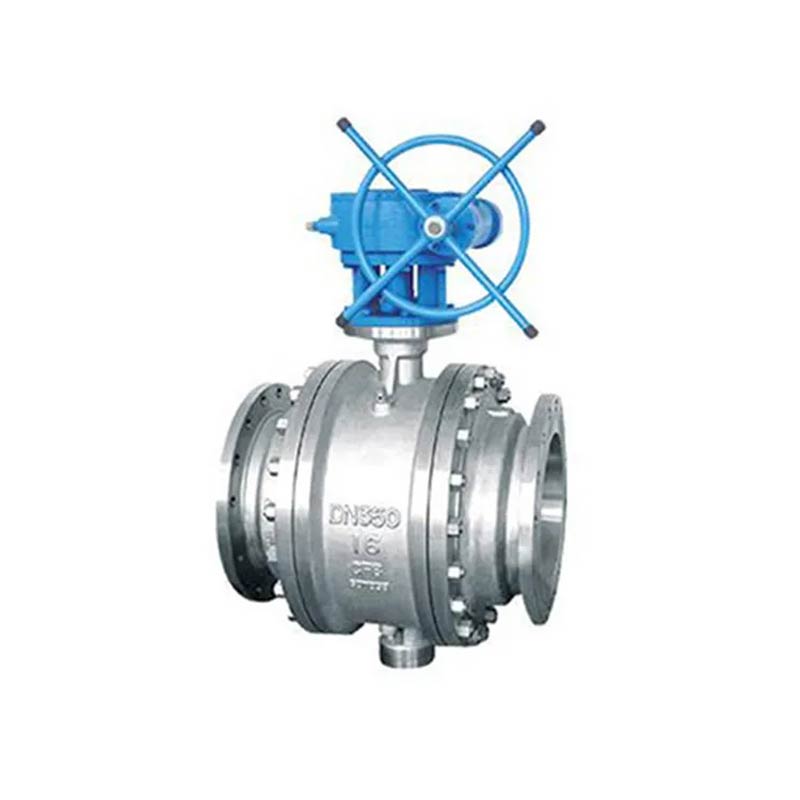
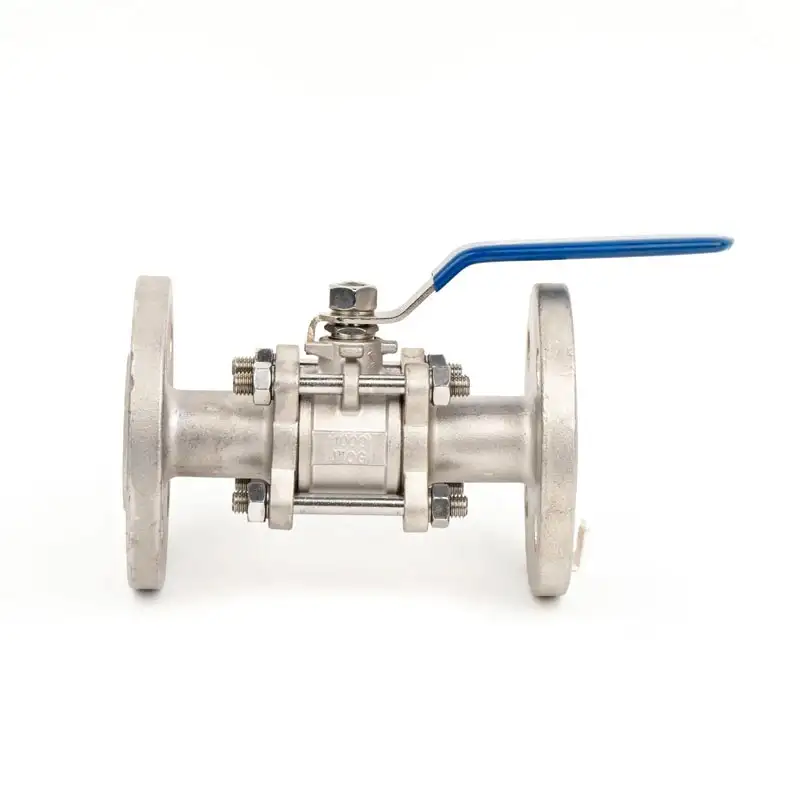
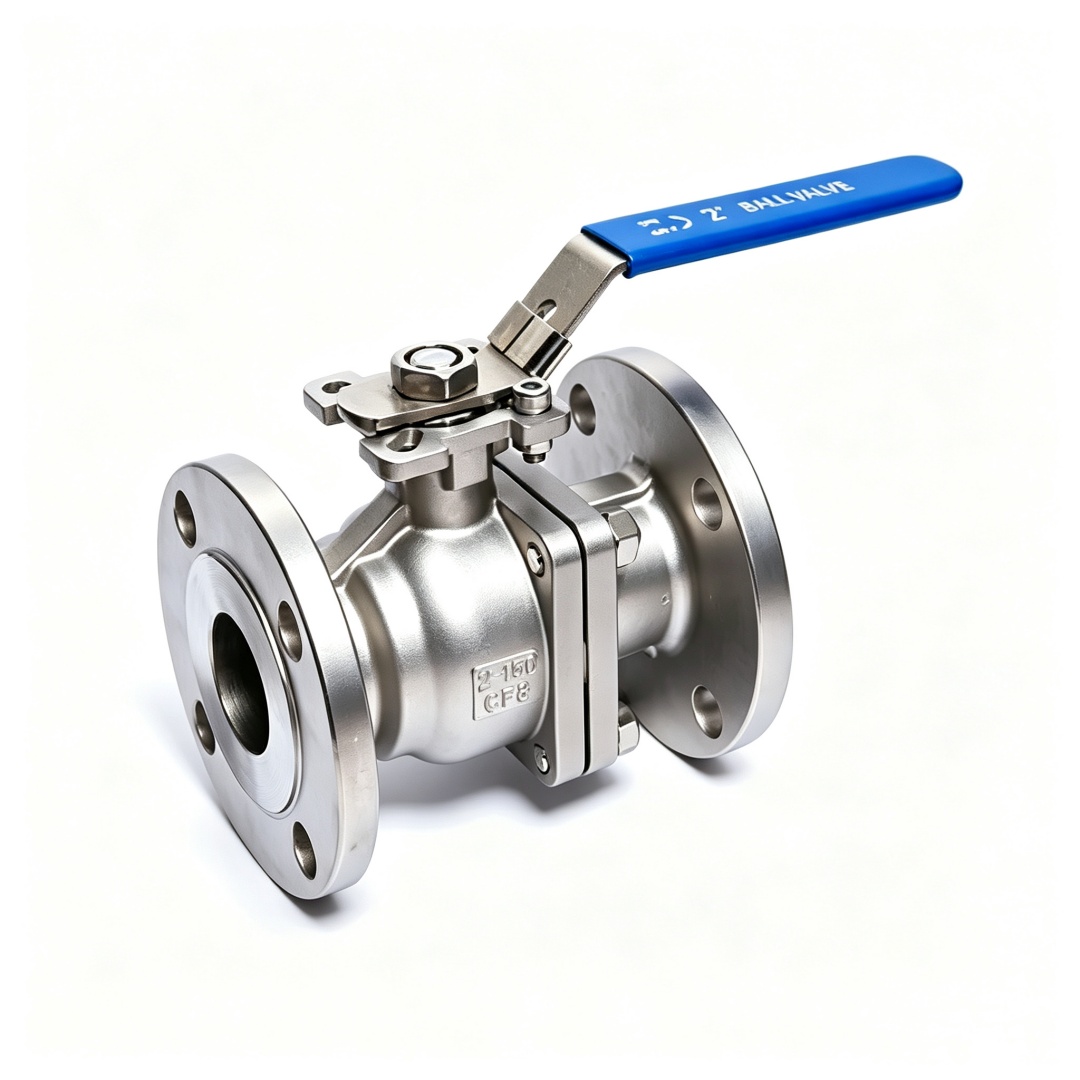
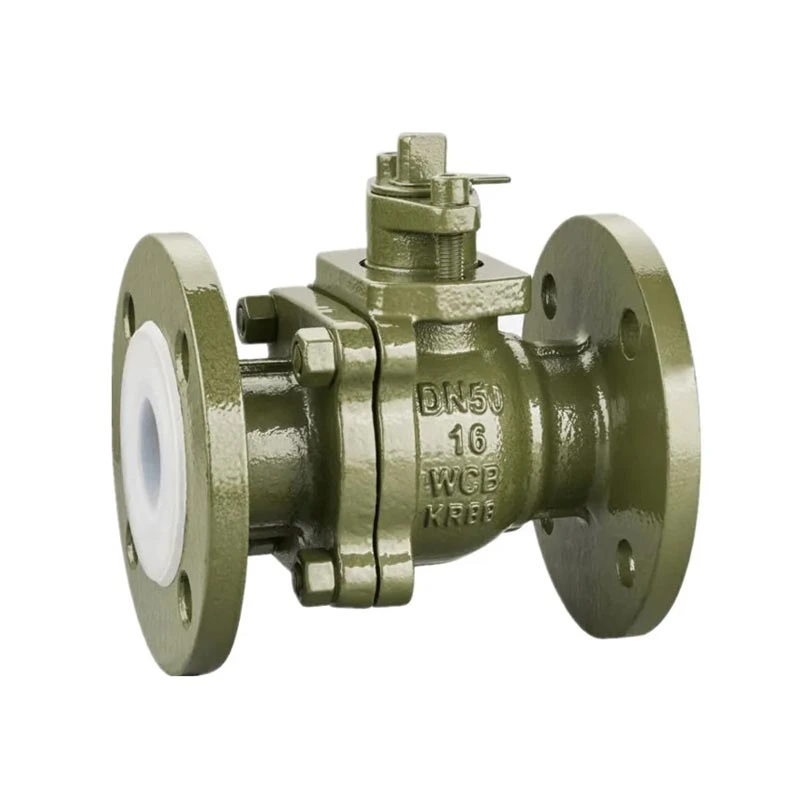
A Fluorine Lined Flange Ball Valve combines a ball valve operating mechanism with a fluoropolymer lining and flanged end connections. This configuration is designed to provide reliable flow isolation while protecting selected internal surfaces from contact with corrosive media. Its suitability depends on the fluid composition, operating temperature, pressure conditions, and the compatibility of the lining with the intended application.
As industrial processes become more specialized, engineers are paying closer attention to valve materials, connection methods, sealing structures, and inspection procedures. Understanding these factors helps facilities select appropriate equipment, reduce avoidable maintenance, and maintain stable operation throughout the pipeline system.
Corrosion can affect pipeline components in different ways. Some fluids gradually attack metal surfaces, while others cause localized damage, surface degradation, or deterioration of sealing components. These problems may affect flow control, increase maintenance requirements, and shorten the service life of industrial equipment.
Conventional metal valves remain suitable for many general-purpose applications. However, when a process involves chemically aggressive media, the compatibility of wetted materials becomes a more important consideration. A protective lining can provide a barrier between the process fluid and the valve body, helping reduce direct chemical exposure.
Material compatibility is determined by the interaction between the process fluid and the materials that contact it. The chemical composition of a medium is only one part of the assessment. Concentration, temperature, pressure, exposure duration, and the presence of other substances can also influence material performance.
A valve that performs well in one chemical service may not be appropriate for another application with a different operating profile. Engineering teams should therefore evaluate the complete operating environment instead of selecting equipment based solely on a general corrosion-resistance description.
The valve body, ball, seats, stem seals, and other wetted components may experience different forms of chemical exposure. A lined design helps protect designated internal surfaces, but it does not automatically make every component resistant to every process fluid.
The effectiveness of the protection depends on the continuity and condition of the lining, the design of the sealing interfaces, and the quality of manufacturing. Appropriate material selection and production control are therefore essential to achieving reliable performance.
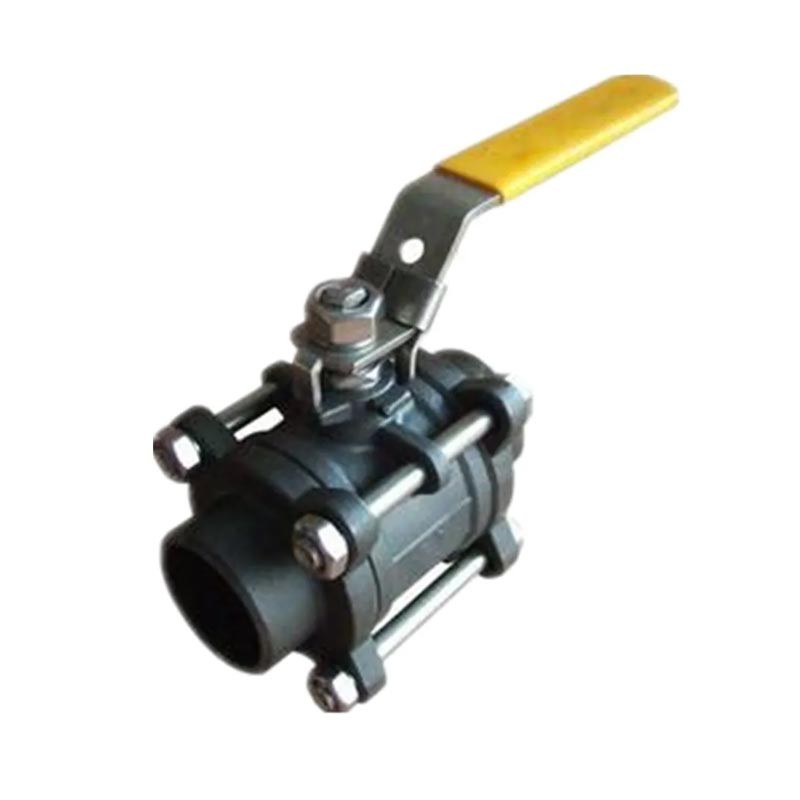
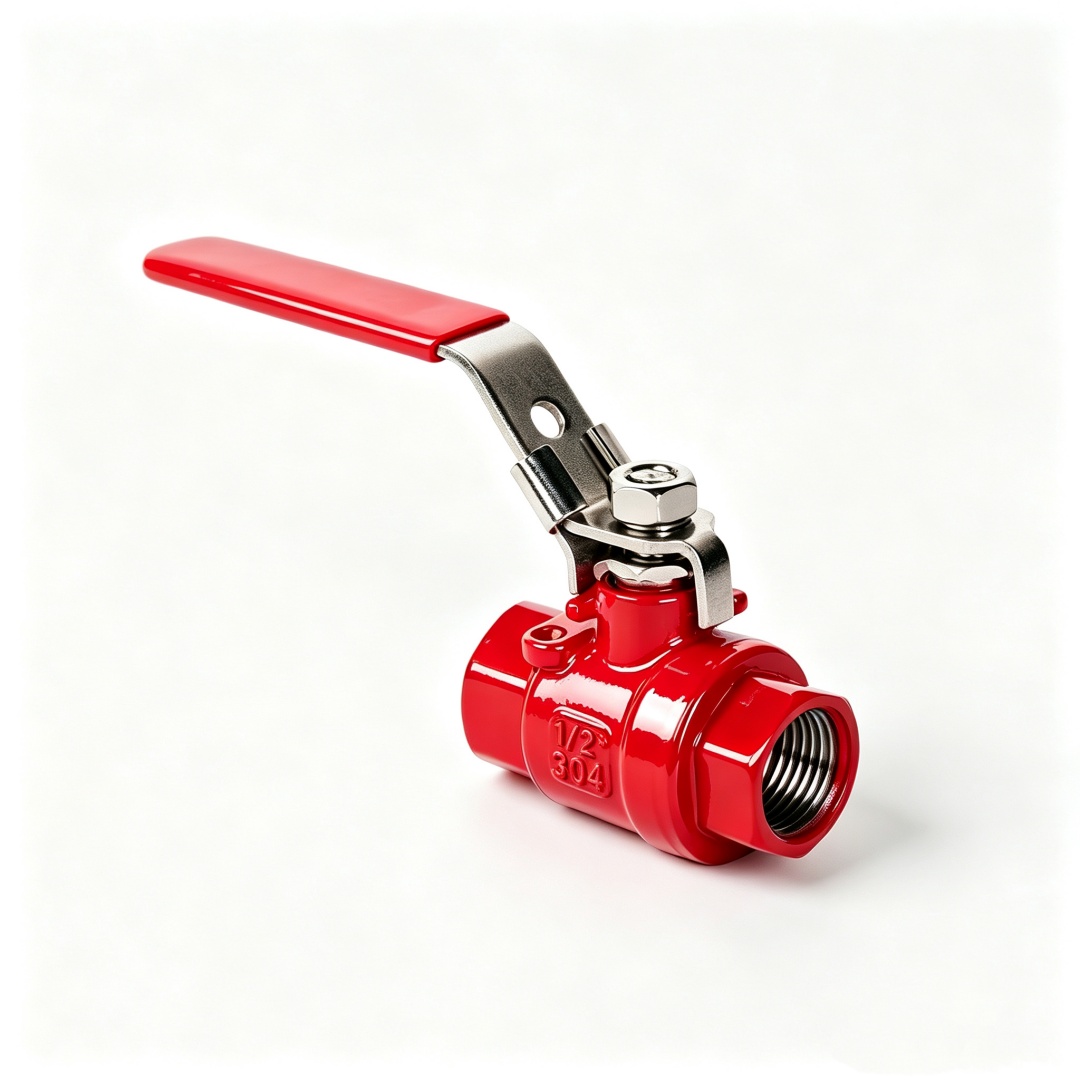
Ball valves control flow by rotating a spherical closure element within the valve body. The ball contains a passage that aligns with the pipeline when the valve is open. Rotating the ball changes the passage orientation, allowing the valve to stop or permit fluid movement.
This quarter-turn operating principle provides a straightforward way to control pipeline isolation. When the valve is fully open, the flow passage can provide a relatively direct route through the valve. When closed, the ball and sealing elements work together to restrict fluid movement.
The ball and seat assembly plays a central role in shut-off performance. The seats contact the ball and help form the sealing interface. Their materials, geometry, surface finish, and compatibility with the process medium influence the valve's ability to maintain isolation.
In lined valves, the relationship between the internal lining and the sealing components requires careful engineering. The design should accommodate the intended pressure and temperature conditions while maintaining appropriate contact between the ball and seats.
Manufacturing accuracy is especially important in this area. Poor alignment, unsuitable surface finishes, or inconsistent assembly can affect operating torque and sealing reliability. Proper inspection helps identify potential issues before the valve enters service.
Flanged end connections allow a valve to be installed between compatible pipeline flanges. The connection uses mating flange faces and suitable gaskets or sealing arrangements, with fasteners providing the required joint compression.
This structure is commonly used in industrial piping systems where secure connections and practical maintenance access are important. A flanged valve can generally be removed for inspection or replacement without cutting the connected pipework, provided the installation has been designed to permit this work safely.
Connection compatibility should be verified before installation. Engineers need to consider the flange standard, nominal size, pressure class, facing arrangement, gasket material, bolt requirements, and the dimensional requirements of the surrounding pipeline.
Fluoropolymers are used in industrial equipment because selected grades offer resistance to many aggressive chemicals and provide useful surface properties. Different fluoropolymer materials have different characteristics, so the specific lining grade must be identified when evaluating a valve for a particular service.
The term fluorine lined is commonly used in industrial valve descriptions to indicate a protective fluoropolymer layer. It does not, by itself, identify the exact polymer, confirm universal chemical resistance, or establish a valve's allowable operating conditions.
Several fluoropolymer materials are used in corrosion-resistant industrial equipment. Their properties vary according to chemical composition, processing method, temperature limits, mechanical characteristics, and the requirements of the finished component.
| Material | General Characteristics | Engineering Considerations |
|---|---|---|
| PTFE | Broad chemical resistance and low surface friction. | Evaluate temperature, pressure, deformation, and sealing requirements. |
| PFA | Broad chemical resistance with processing characteristics suitable for certain lined components. | Confirm the grade, lining construction, and application-specific limits. |
| FEP | Useful chemical resistance and properties suited to selected lining applications. | Check temperature capability, mechanical demands, and chemical compatibility. |
| Other fluoropolymers | Properties vary according to polymer type and formulation. | Request material identification and supporting technical documentation. |
The appropriate material depends on the complete service conditions rather than the polymer name alone. For example, a chemical that is compatible with a particular lining at one temperature may behave differently at a higher temperature or under prolonged exposure.
Temperature influences both the chemical behavior of process fluids and the mechanical properties of lining materials. Elevated temperatures may increase chemical activity, alter material strength, or affect the sealing interfaces. Low temperatures can also influence flexibility and other material properties.
Pressure introduces additional design requirements. Internal pressure acts on the valve body, closure element, seals, and lining structure. Pressure changes during starting, stopping, or switching operations may create conditions that differ from steady-state operation.
The allowable operating range should be confirmed using the manufacturer's technical documentation. The maximum pressure and maximum temperature should not be treated as independent values unless the manufacturer confirms that they can be applied together. A pressure-temperature rating or operating envelope is more useful for engineering evaluation.
A protective lining must remain sufficiently intact throughout its intended service life. Scratches, pinholes, local separation, deformation, or damage around sealing interfaces can compromise protection and allow the process medium to reach underlying materials.
Lining integrity depends on material preparation, manufacturing methods, dimensional control, installation practices, and service conditions. Suitable inspection procedures should be established according to the valve design and the requirements of the application.
Corrosion-resistant valve designs are used in industries where fluid compatibility and controlled isolation are important. The actual suitability of a lined ball valve depends on the process medium, the equipment configuration, and the applicable engineering requirements.
Chemical plants may handle acids, alkalis, solvents, reagents, and mixtures with changing concentrations. Valves in these systems support isolation during transfer, processing, storage, and maintenance activities.
A lined design can be considered when the selected fluoropolymer is compatible with the process fluid and the operating conditions fall within the approved limits. The valve's internal construction should also be assessed for potential exposure at the ball, seats, stem area, and other wetted interfaces.
Process engineers should review the complete chemical service specification before finalizing a valve selection. Where the fluid contains multiple components, compatibility should be confirmed for the mixture rather than inferred from the properties of a single ingredient.
Pharmaceutical manufacturing and specialty chemical production often require controlled process conditions and clearly defined equipment specifications. Valve selection may involve chemical compatibility, cleaning procedures, contamination control, and maintenance access.
A corrosion-resistant valve may be suitable for certain transfer and isolation duties, provided that its construction meets the facility's process and cleanliness requirements. Material compatibility alone does not establish that a valve is suitable for hygienic or high-purity service.
Facilities should also consider whether the valve design creates areas where residues can accumulate and whether the specified cleaning procedure is compatible with the lining and seals. Documentation should identify the materials and the limitations relevant to the intended process.
Water treatment facilities may use chemical dosing, disinfection, pH adjustment, and other processes involving corrosive fluids. Reliable isolation helps operators manage individual sections of a treatment system during routine operation and maintenance.
The chemical characteristics of treatment agents can vary considerably. A valve suitable for one dosing chemical may not be appropriate for another, particularly where concentration and temperature differ. The lining, seats, and stem sealing materials should therefore be reviewed against the actual service conditions.
Environmental treatment systems may also contain suspended particles or process residues. Where solids are present, the valve's flow passage, sealing arrangement, and cleaning requirements should be considered before selection.
Industrial utility systems support production by supplying process fluids to different areas of a facility. These systems may include chemical transfer lines, auxiliary equipment, storage connections, and maintenance isolation arrangements.
Flanged valves can provide practical integration with existing pipework when their dimensions and pressure ratings are compatible with the installation. Their suitability should be assessed as part of the complete piping design rather than as an isolated component decision.
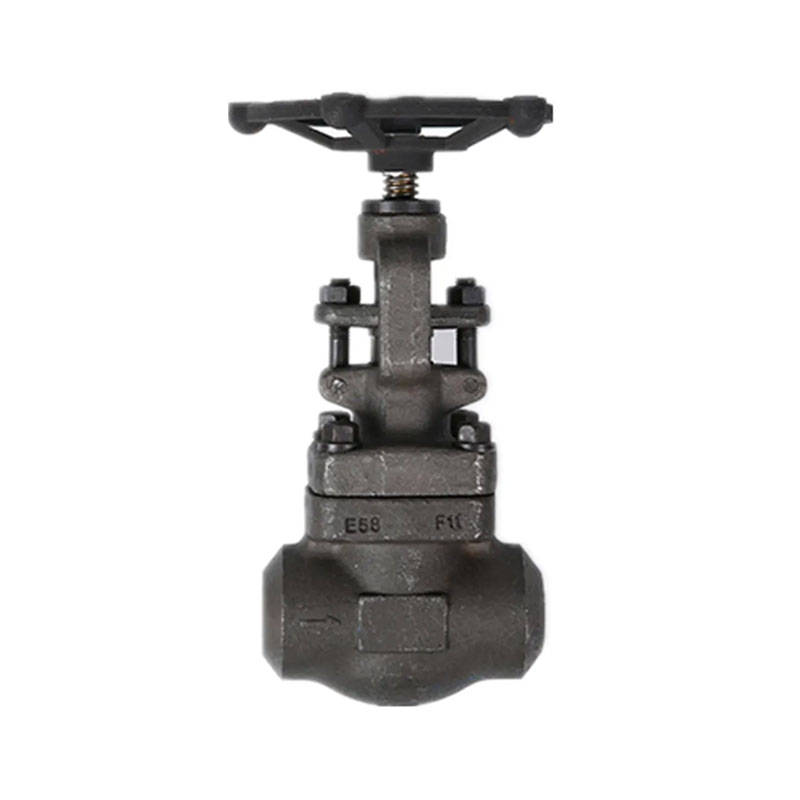
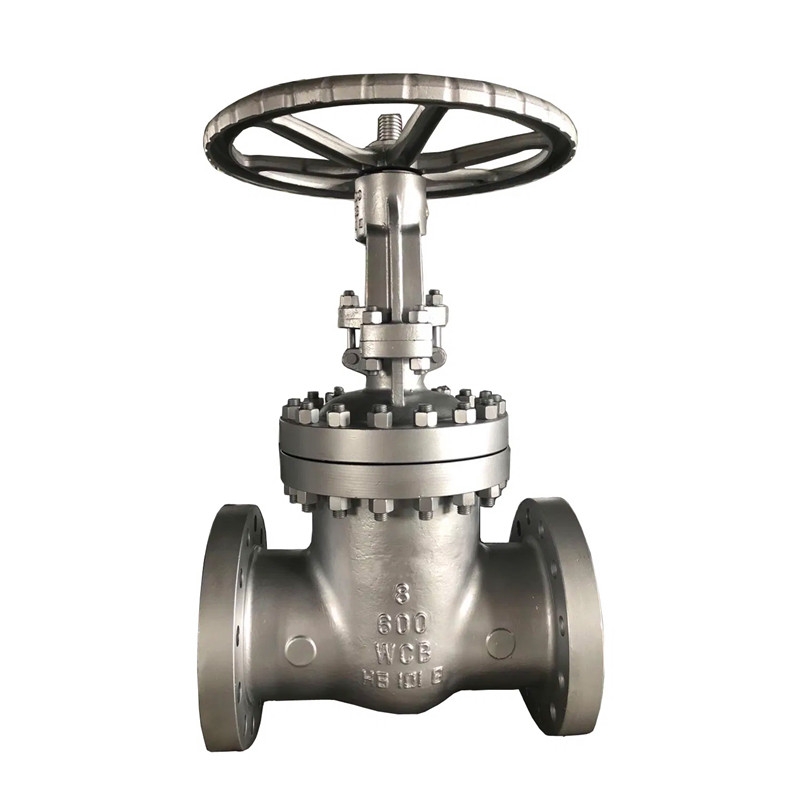
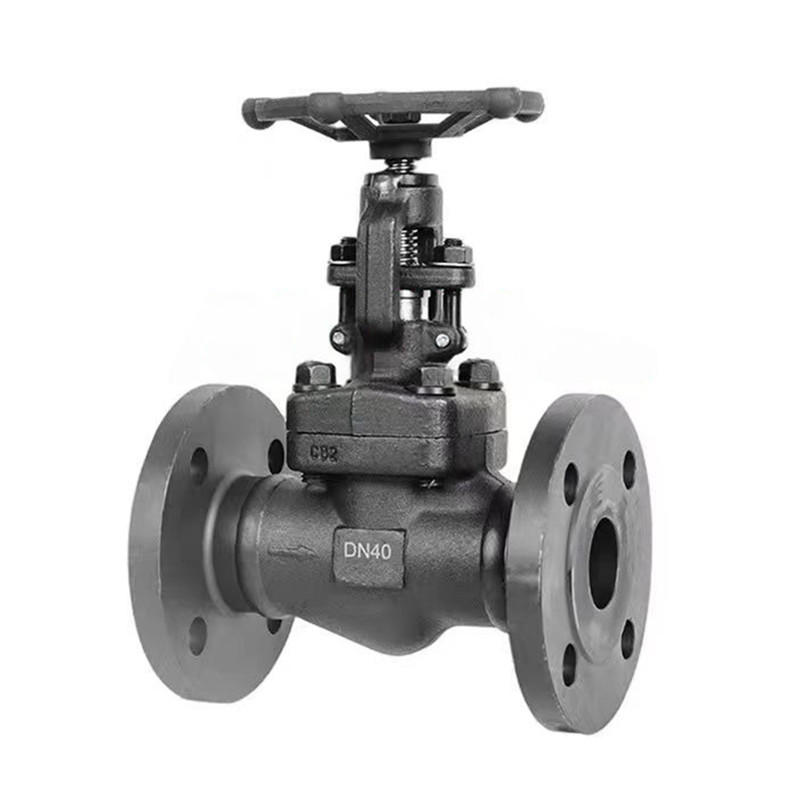
No single valve configuration is ideal for every process. Ball valves, gate valves, globe valves, and butterfly valves serve different operational purposes. Their relative advantages depend on the required flow behavior, shut-off function, available installation space, maintenance strategy, and process conditions.
Understanding these differences helps engineers avoid selecting equipment solely on initial cost or general product descriptions. The objective is to match the valve's operating mechanism and materials to the actual function required within the pipeline.
| Valve Type | Typical Function | Selection Consideration |
|---|---|---|
| Ball Valve | Rapid opening and closing for flow isolation. | Review seat compatibility, operating torque, and shut-off requirements. |
| Gate Valve | Isolation with a gate that moves across the flow path. | Consider installation space, operating time, and intended service. |
| Globe Valve | Flow regulation and control in suitable configurations. | Evaluate pressure loss, control needs, and internal design. |
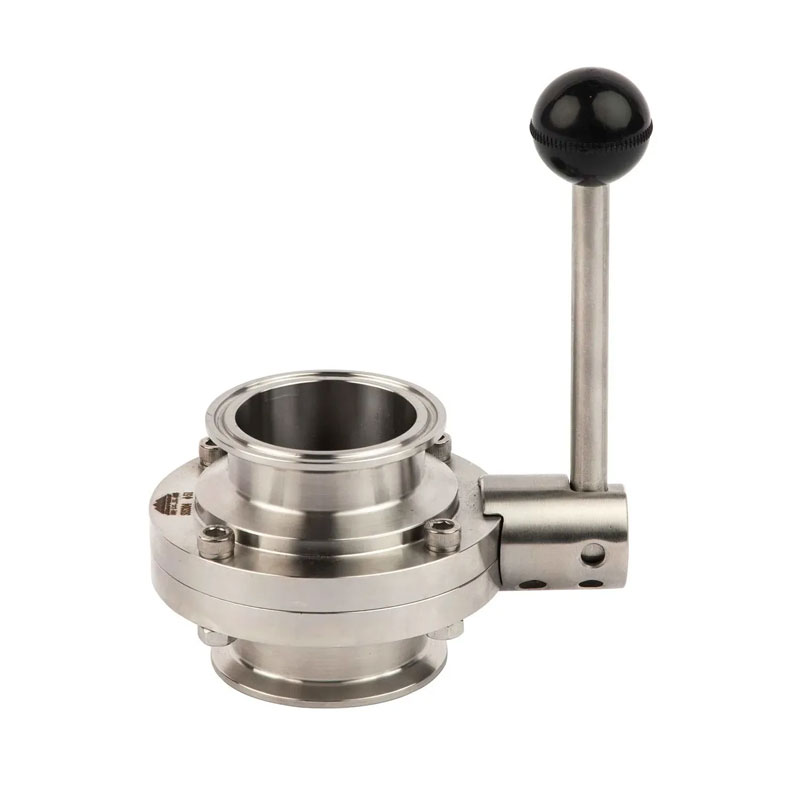
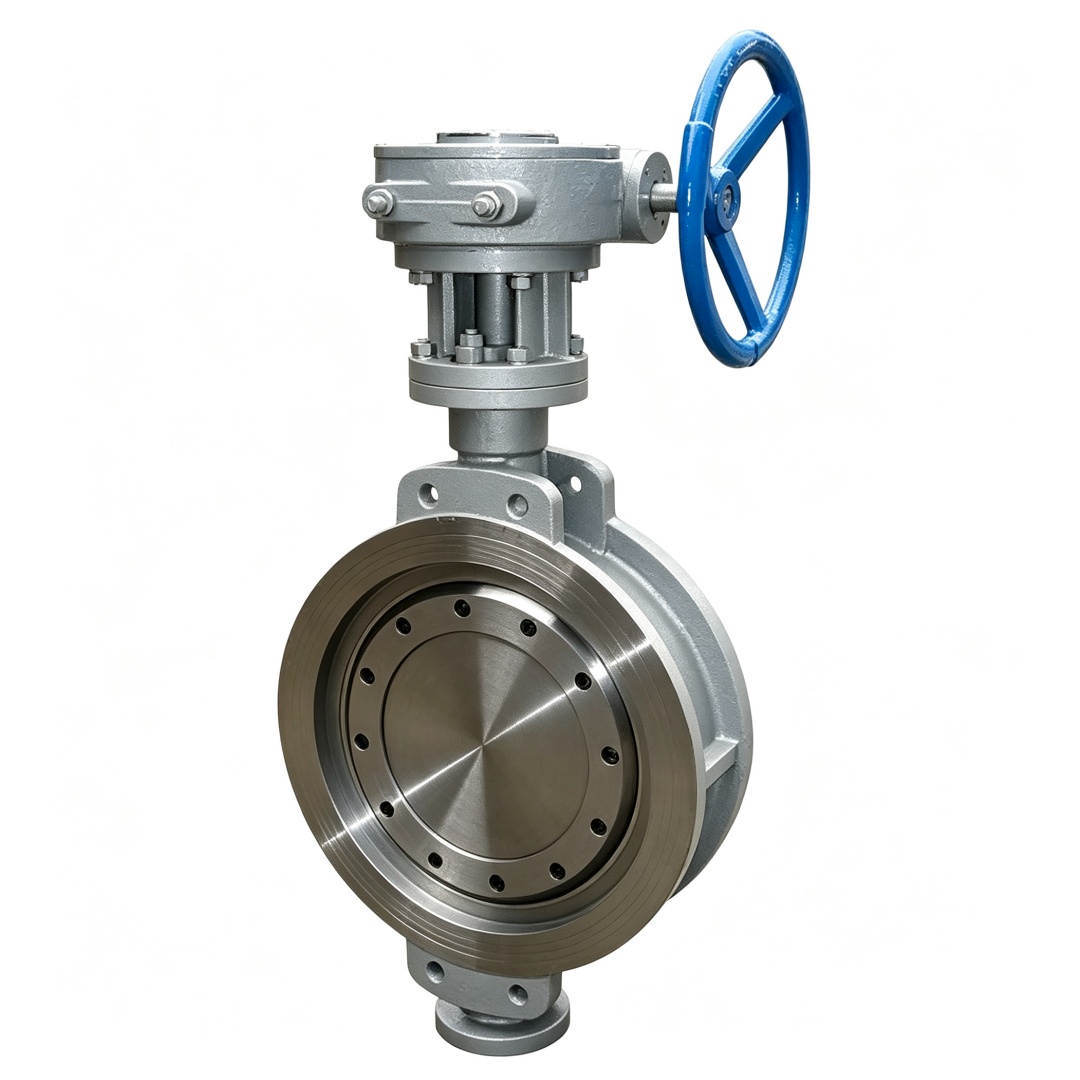
| Butterfly Valve | Flow isolation or regulation using a rotating disc. | Assess pressure conditions, disc clearance, and media compatibility. |
Ball valves are generally selected for on-off service rather than continuous throttling unless the particular design is specifically approved for that duty. Operating a conventional ball valve partially open under unsuitable conditions may expose seats and other components to localized flow effects that can accelerate wear.
If a process requires accurate flow regulation, engineers should determine whether a control valve or another suitable configuration is more appropriate. The decision should reflect the required control accuracy, fluid behavior, pressure drop, and operating frequency.
For isolation duties, the valve should be evaluated for its required leakage performance and the conditions under which that performance is specified. A general claim of tight shut-off should not replace documented test requirements or application-specific acceptance criteria.
Reliable valve performance depends on the consistency of design, materials, manufacturing, assembly, and testing. Even a suitable lining material may fail to deliver the expected service life if the valve body is poorly prepared, the sealing components are incorrectly installed, or the finished assembly does not meet its dimensional requirements.
A structured quality management process helps manufacturers monitor production and identify deviations before products are released. Inspection should be appropriate to the valve design, the specified standards, and the intended operating conditions.
Computer-aided design supports the development and review of valve geometry, component interfaces, and assembly arrangements. Three-dimensional modeling can help engineers assess component fit and identify potential design conflicts before manufacturing begins.
Dimensional control is important for flange alignment, ball movement, seat installation, stem assembly, and lining interfaces. Consistent machining and inspection can help reduce assembly variation and improve the repeatability of valve performance.
Design verification should also consider service requirements that affect the finished product, including pressure loading, material compatibility, installation orientation where relevant, and maintenance access. Clear technical specifications help align manufacturing with the actual application.
Testing provides evidence that a valve meets defined acceptance requirements. Depending on the design and applicable specification, inspections may include body pressure tests, seat leakage tests, dimensional checks, visual examination, and verification of operating functions.
Lined valves may require additional attention to the condition and integrity of the protective layer. The appropriate inspection method depends on the lining material, construction method, manufacturer procedures, and the relevant technical requirements.
The applicable testing standard should be agreed upon during technical specification and procurement. Different standards may establish different procedures and acceptance criteria, so the use of a familiar standard should not be assumed without checking its scope and applicability.
Correct installation is essential to preserving valve performance. A properly manufactured valve can still experience premature problems if the connected pipework introduces excessive loads, the flange joint is assembled incorrectly, or the internal lining is damaged during handling.
Before installation, personnel should verify the valve model, flow passage, pressure rating, flange dimensions, and specified materials. The connected pipework should be properly aligned so that the valve is not forced into position by tightening the flange fasteners.
Flange faces and sealing surfaces should be clean and free from defects that could interfere with joint integrity. The gasket must be compatible with the fluid and operating conditions, and its dimensions should match the approved connection design.
Fasteners should be tightened using the specified sequence and procedure. Excessive or uneven tightening can damage sealing components or create uneven loading. The manufacturer's installation instructions should take precedence over generic assembly practices.
Lined valves require careful handling because impact, sharp tools, unsuitable cleaning agents, or incorrect installation methods may damage internal surfaces. Protective covers should remain in place until the valve is ready to be installed, where provided by the manufacturer.
The valve should not be used as a lever or support for correcting pipeline misalignment. Pipe supports and connection arrangements should be designed to control external loads and reduce unnecessary stress on the valve body and flanged joints.
After installation, the system should be inspected and commissioned according to the approved procedure. Initial checks should address connection integrity, operating movement, and any requirements specified by the process engineer or equipment manufacturer.
A maintenance plan should reflect the severity of the process conditions, the consequences of leakage, the accessibility of the valve, and the manufacturer's recommendations. Regular inspection helps identify developing problems before they result in unexpected downtime.
Changes in operating torque, leakage behavior, or external connection condition may indicate that further inspection is needed. These symptoms should be assessed in the context of the actual service environment rather than attributed automatically to a single component.
Maintenance personnel should also review process changes. A modification to chemical concentration, operating temperature, pressure, cleaning procedures, or fluid composition may affect the suitability of the existing valve materials.
The inspection schedule should consider the operating history and the potential consequences of component failure. Valves exposed to particularly aggressive media or demanding operating cycles may require a more detailed inspection strategy than valves used in less severe service.
Where internal inspection is necessary, the valve must be isolated, depressurized, drained, and made safe in accordance with the facility's procedures. Hazardous process fluids may require specialized cleaning, protective equipment, and waste handling before maintenance can begin.
Replacement parts should match the approved valve design. Substituting a seat, gasket, stem seal, or lining material without confirming compatibility may affect sealing performance and chemical resistance. Technical records should be updated whenever a material or component change is approved.
A clear technical specification helps manufacturers assess whether a proposed valve is appropriate for the intended application. It also reduces the risk of misunderstandings involving materials, connection dimensions, operating limits, and testing requirements.
When evaluating a Fluorine Lined Flange Ball Valve, engineering teams should provide sufficient information about the process and installation. Product descriptions alone may not contain the details needed to confirm technical suitability.
Providing this information allows the manufacturer to review the application more accurately and identify any missing technical details. Where the process conditions are uncertain, engineering clarification should take place before the valve specification is finalized.
When comparing proposals, technical suitability should be assessed before price alone. Two valves with similar external dimensions may differ in lining material, internal construction, sealing components, pressure-temperature capability, and inspection requirements.
A useful technical review compares the proposed design with the project's approved requirements. Any deviations should be documented and evaluated by the responsible engineering team rather than accepted on the basis of a general product description.
It is also helpful to confirm the availability of installation guidance, maintenance recommendations, and replacement components. Clear technical communication can support more consistent operation throughout the valve's intended service life.
Industrial facilities are placing greater emphasis on equipment reliability, process safety, and lifecycle management. Valve selection is increasingly treated as part of a broader engineering strategy that considers material compatibility, inspection records, maintenance planning, and operating efficiency.
As chemical processes become more specialized, generic material descriptions are less sufficient for engineering decisions. Manufacturers need to provide clear information about lining options, operating limitations, and the conditions under which a product is intended to operate.
Application-specific selection also supports more effective communication between valve manufacturers, system designers, maintenance teams, and process engineers. Clear specifications help prevent the assumption that one lining material can be used across every chemical service.
Industrial operators increasingly rely on technical documentation to support maintenance, audits, and equipment replacement. Accurate records help establish which materials and components were supplied and which inspections were completed before delivery.
Documentation is most useful when it is consistent with the actual product configuration. Material identification, approved drawings, inspection records, and operating instructions should correspond to the supplied valve rather than describe a general product family only.
The initial purchase price is only one part of the total cost of a valve installation. Maintenance labor, replacement frequency, process interruption, accessibility, and the consequences of leakage can all influence lifecycle cost.
A valve with suitable materials and a well-matched design may help reduce avoidable maintenance, but performance depends on correct selection and operation. Lifecycle evaluations should therefore use realistic operating assumptions and documented technical information instead of relying on broad durability claims.
Choosing a valve manufacturer involves more than confirming the product category. Engineering capability, production management, inspection resources, technical communication, and the ability to address application-specific requirements all contribute to a reliable supply process.
Manufacturers with integrated design and production capabilities can coordinate the development of valve structures, component interfaces, machining requirements, assembly procedures, and quality inspections. This coordination is especially important for lined valves, where the protective layer and sealing components must work together within the finished assembly.
An integrated manufacturing process helps connect engineering specifications with actual production requirements. Computer-aided design and three-dimensional modeling can support product development, while machining and assembly controls help maintain dimensional consistency.
Quality inspection provides an additional means of checking whether the finished product conforms to the agreed specifications. Clear procedures for identifying and resolving nonconformities help manufacturers maintain consistent production standards.
Industrial projects may require particular body materials, lining options, flange configurations, operating methods, or documentation. Early technical communication allows these requirements to be reviewed before manufacturing begins.
Customization should be based on a clear understanding of the process conditions and the limits of the proposed design. A responsible technical review identifies where a requested configuration is suitable and where further evaluation or a different valve arrangement may be necessary.
Manufacturers that combine engineering support with organized production and inspection processes can help industrial facilities make better-informed equipment decisions. The goal is to provide a valve configuration that fits the application, complies with the agreed specifications, and can be maintained appropriately throughout its intended service life.
Wenzhou Joepai Valve Co., Ltd. developed from Jingyue Valve Factory, which began operations with a focus on stainless steel ball valves, stainless steel fire hydrants, and booster valves. Building on this manufacturing background, the company expanded its business to include the design, development, production, sales, and service of a broader range of industrial flow control products.
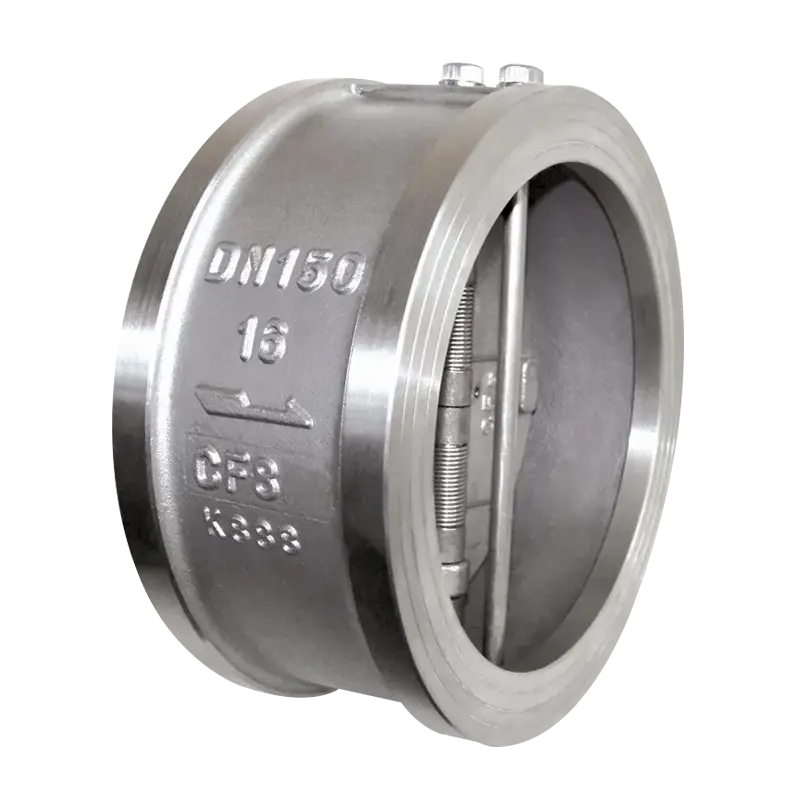
Its product range includes gate valves, globe valves, check valves, butterfly valves, strainers, fully welded ball valves, and fluorine-lined valve series. The company also focuses on customized valve solutions intended to address different industrial requirements.
Located in Longwan District, Wenzhou, Zhejiang Province, Wenzhou Joepai Valve Co., Ltd. integrates valve design, development, manufacturing, and sales. Its production approach incorporates CAD valve design, three-dimensional modeling, production equipment, and quality inspection facilities to support product development and manufacturing control.
The company states that its products are manufactured in accordance with applicable international standards, including API, ANSI, JIS, ISO, DIN, GOST, and BS, as well as Chinese standards such as JB and GB. The specific standard and compliance requirements for each valve should be confirmed according to the product specification and project needs.
For industrial applications involving corrosive fluids, selecting the appropriate lining, sealing structure, flange configuration, and operating range remains essential. Wenzhou Joepai Valve Co., Ltd. is committed to quality-oriented manufacturing, technological development, and customized industrial flow control solutions. By combining manufacturing experience with attention to technical requirements, Joepai supports industrial projects seeking suitable valve solutions for their operating environments.