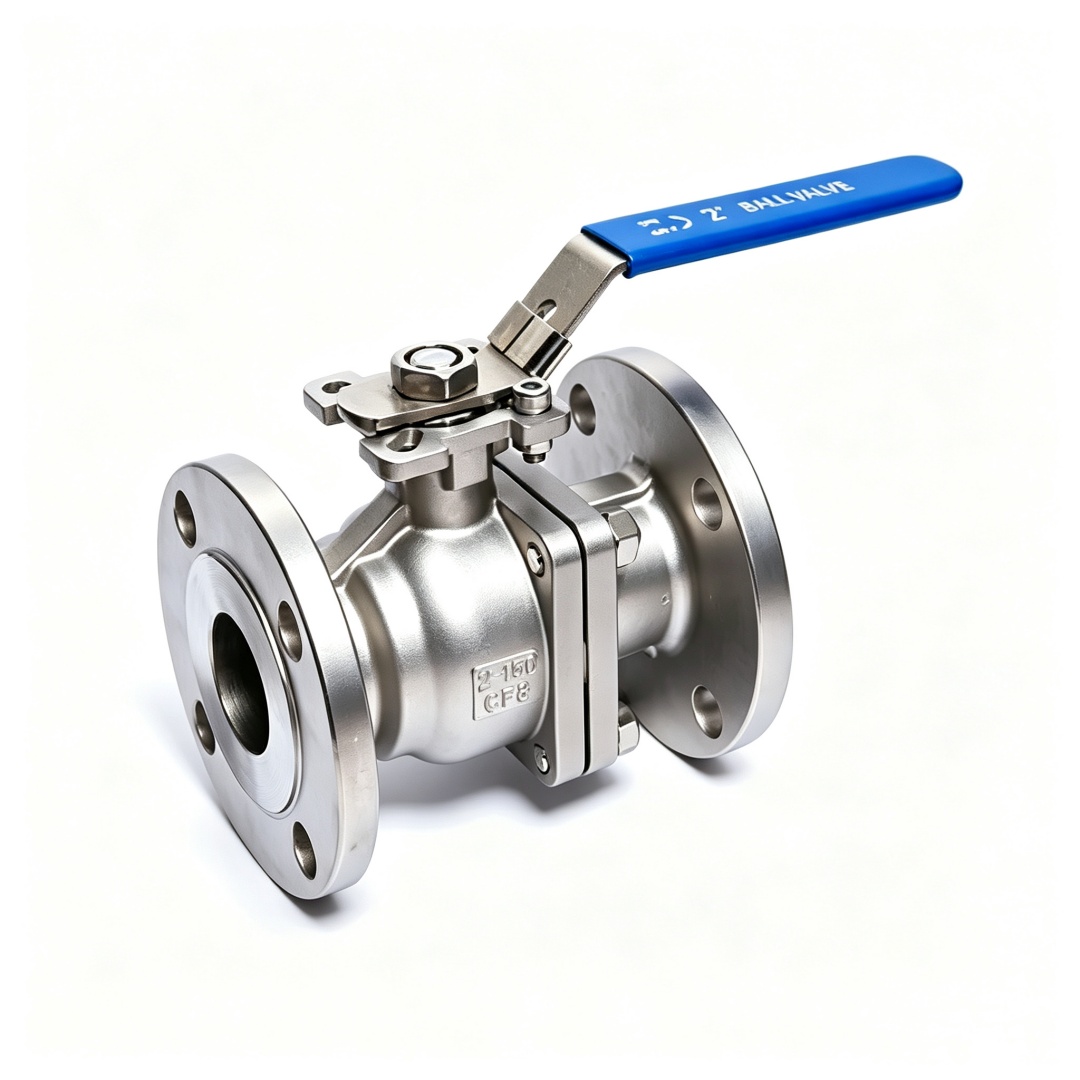
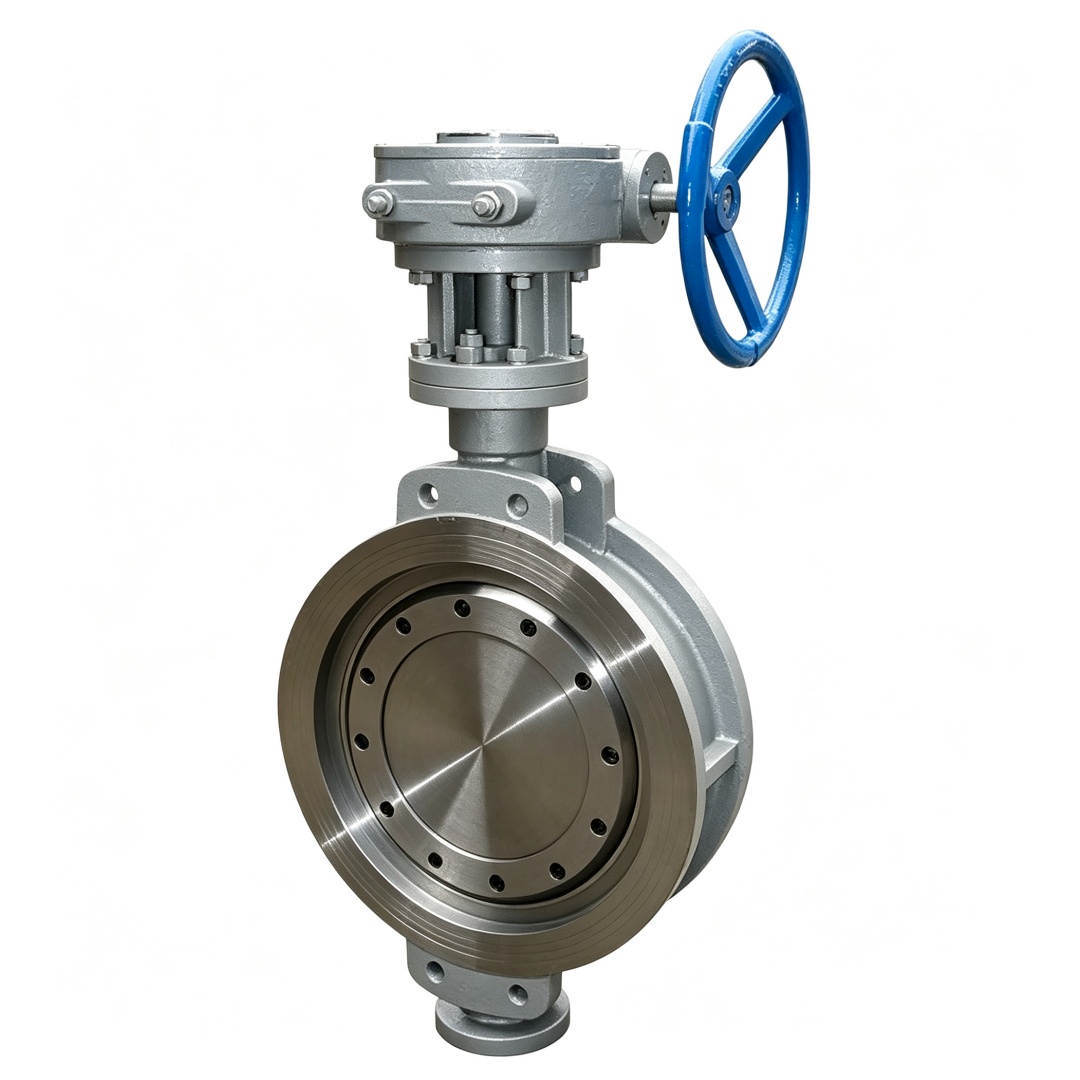
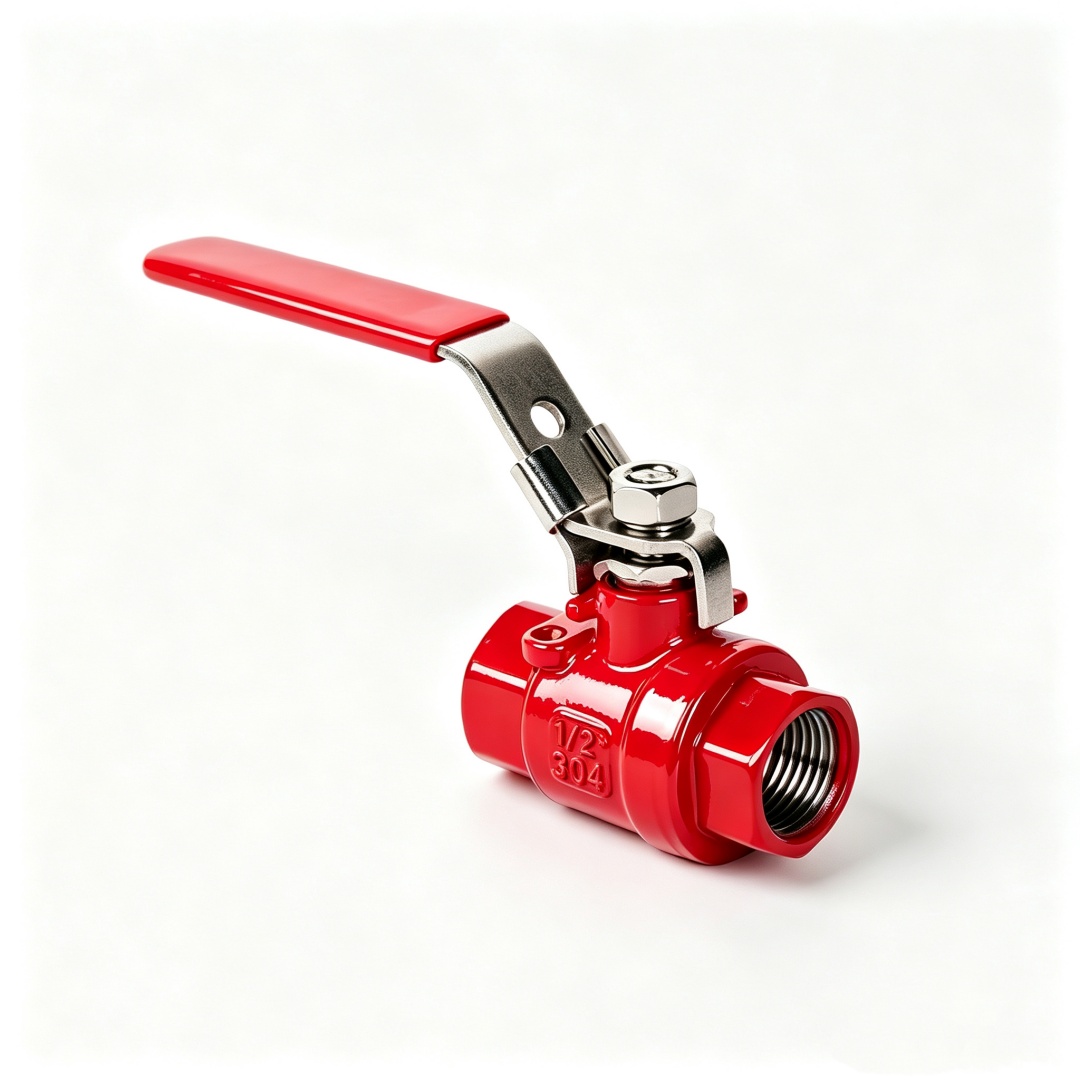
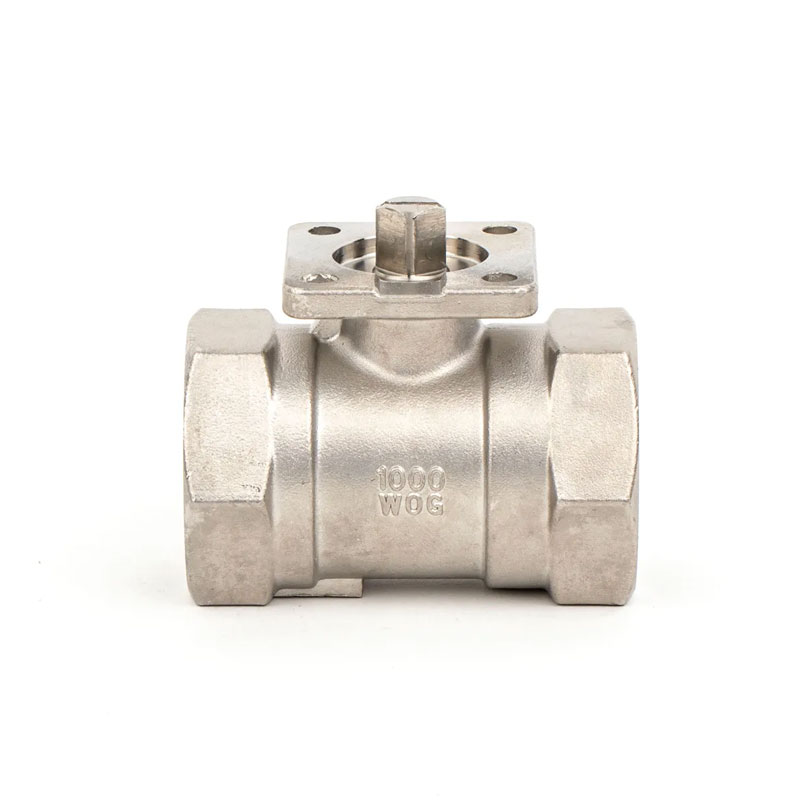
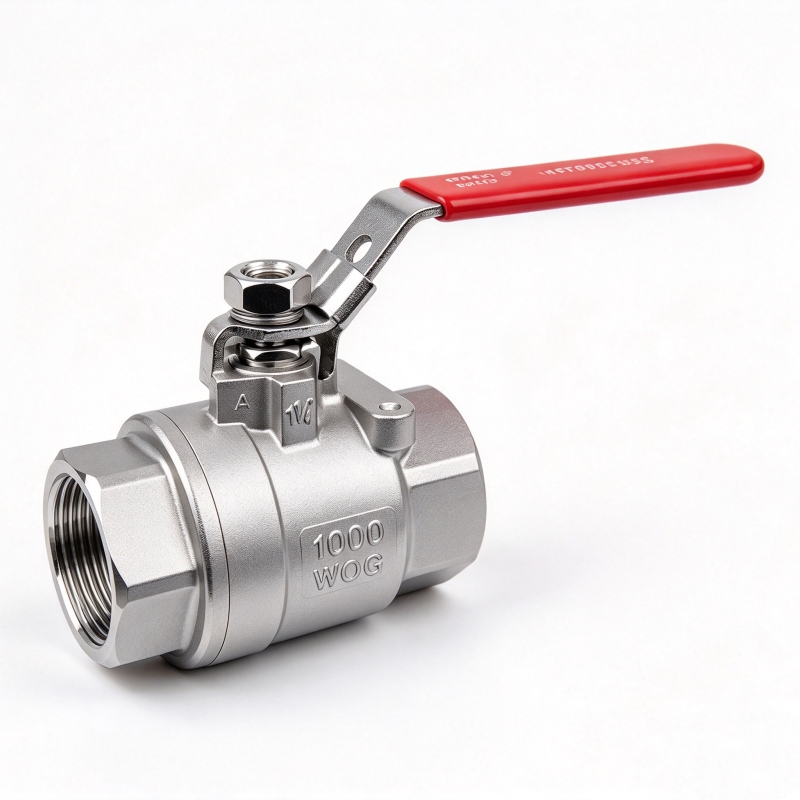
In industrial piping systems, connection compatibility plays an important role in valve selection, installation efficiency, and long-term maintenance. As piping projects involve different equipment interfaces, pipeline materials, and connection standards, valves that combine multiple connection types are becoming a practical option for specific installation requirements. Among these solutions, the STS304 Stainless Steel Flanged and Female Threaded Ball Valve 10K offers a combination of a JIS 10K flanged end and a BSPT female threaded end, allowing two different pipeline connection methods to be integrated into one valve body.
For industrial valve distributors, engineering contractors, and piping equipment suppliers, selecting the right valve involves more than comparing nominal sizes or initial purchase prices. Material specifications, pressure ratings, thread standards, installation conditions, and manufacturer capabilities all need to be considered. Understanding these factors helps determine whether a combination-end ball valve is suitable for a particular piping project.
Why Are Combination-End Ball Valves Used in Industrial Piping Systems?
Traditional ball valves generally feature two identical connection ends, such as flange-to-flange or thread-to-thread configurations. These designs work well when both connected pipeline sections follow the same installation standard. However, certain piping arrangements involve different connection interfaces, particularly when existing equipment, branch pipelines, and new installations need to be connected together.
A combination-end ball valve provides an alternative by integrating two different connection types into one valve. For example, a flanged connection can be used on one side to connect with a corresponding flanged pipeline, while a female threaded end connects to a compatible threaded pipe or fitting on the opposite side.
This arrangement can simplify certain piping configurations and reduce the need to select separate connection components. It is especially useful in equipment connections, pipeline modifications, and industrial installations where different connection standards exist within the same system.
However, the two connection ends must be selected according to the actual pipeline specifications. Flange dimensions, pressure ratings, thread types, and sealing requirements should be checked before installation. A combination-end design does not automatically make different connection standards interchangeable.
What Makes STS304 Stainless Steel Suitable for Ball Valve Applications?
Material selection is another important consideration when specifying industrial ball valves. Stainless steel is widely used in general industrial piping because it provides corrosion resistance and mechanical properties suitable for many fluid-handling applications.
The STS304 Stainless Steel Flanged and Female Threaded Ball Valve 10K uses SCS13 stainless steel for its valve body. SCS13 is a cast stainless steel grade commonly associated with the 304 stainless steel family. This material is used in valve manufacturing where corrosion resistance, structural strength, and compatibility with general industrial media are required.
Compared with ordinary carbon steel valve bodies, stainless steel construction can offer better resistance to corrosion in suitable operating environments. Nevertheless, actual service life depends on fluid composition, concentration, temperature, pressure, and other operating conditions. Compatibility should always be evaluated before selecting a valve for chemical or demanding industrial applications.
For applications involving water, oil, gas, and compatible mild chemical media, stainless steel ball valves can provide a practical flow-control solution when the material and sealing components are properly specified.
When purchasing stainless steel valves in bulk, it is also important to confirm the material grade rather than relying only on the product name. A professional China valve manufacturer should be able to clarify the body material and provide relevant material documentation when required.
JIS 10K Flange and BSPT Female Thread: Why Do Connection Standards Matter?
One of the main considerations in combination-end valve selection is the compatibility of the two connection interfaces.
The flanged end of this valve follows the JIS 10K standard, while the opposite end adopts a BSPT female threaded connection. These two interfaces serve different installation purposes and must be matched with the corresponding pipeline components.
JIS 10K Flanged Connection
A flanged connection is commonly used in industrial piping systems where a detachable and mechanically secured joint is required. It connects to a corresponding flange using bolts and an appropriate gasket.
The JIS 10K specification identifies a particular flange pressure class under the relevant Japanese Industrial Standards. It should not be interpreted as a universal pressure rating of 10 bar under every operating condition. Actual allowable pressure depends on the applicable standard, nominal size, material, temperature, and valve construction.
For projects using JIS-standard piping components, confirming the flange dimensions and drilling pattern is essential before placing an order.
BSPT Female Threaded Connection
The BSPT connection uses a tapered pipe thread. Its tapered geometry helps establish a tight threaded joint when assembled with a compatible male thread and suitable sealing materials.
This connection type is used in various industrial and general piping installations. For projects in South Korea and other markets where BSPT specifications are required, confirming the thread standard and nominal size can help prevent installation mismatches.
It is also important to distinguish BSPT from NPT. Although both are tapered pipe thread systems, their thread profiles and specifications differ. They should not be treated as interchangeable connections.
For customized orders, a valve manufacturer can discuss alternative thread configurations, including BSP or NPT, according to the required drawings and technical specifications.
How Does a Full-Bore Ball Valve Improve Flow Performance?
Flow passage is another factor that influences ball valve selection. A full-bore design provides an internal opening that is generally close to the nominal pipeline diameter, allowing fluid to pass through with less restriction compared with many reduced-bore configurations.
The valve uses a spherical ball with an internal passage. When the handle is turned 90 degrees, the ball rotates to open or close the flow path.
This quarter-turn operating mechanism offers several practical advantages:
Simple manual operation: A lever handle allows the operator to open or close the valve with a 90-degree movement.
Relatively unobstructed flow: The full-bore passage helps reduce flow restriction through the valve.
Convenient isolation: The ball mechanism provides a straightforward method of controlling or shutting off fluid flow.
Practical maintenance: The manual operating structure does not require an external power source or control system.
For general industrial applications, these characteristics make manual stainless steel ball valves a common option for pipeline isolation.
The actual flow performance and shut-off capability still depend on the internal structure, seat materials, machining accuracy, and operating conditions. Therefore, technical specifications should be reviewed alongside the connection standards when selecting a valve.
Key Factors to Consider When Purchasing Stainless Steel Ball Valves
For companies sourcing industrial valves, purchasing decisions should consider the complete technical configuration rather than focusing exclusively on the lowest quotation. The following factors can help improve product selection and reduce potential installation problems.
1. Confirm the Material Specification
Check whether the valve body is manufactured from the required stainless steel grade. For this model, the specified body material is SCS13, corresponding to the STS304 material classification provided for the product.
If material traceability is required, confirm whether the manufacturer can provide material certificates and related documentation.
2. Check Both Connection Ends
A combination-end valve requires careful verification of both interfaces. Confirm the JIS 10K flange specification, flange dimensions, BSPT female thread, and corresponding pipeline requirements.
For customized projects, technical drawings or physical samples can help clarify the connection details before mass production.
3. Select the Correct Nominal Size
The available standard sizes for this model include:
Nominal Size
Designation
32A
DN32
40A
DN40
50A
DN50
The selected valve size should match the connected pipeline and required flow conditions. Nominal size alone does not determine the actual internal passage dimensions.
4. Evaluate Pressure and Temperature Requirements
The JIS 10K flange specification and the valve's actual working pressure should be evaluated according to the complete product configuration.
The specified operating temperature range for this model is -29°C to 180°C, subject to the sealing material and actual operating conditions. Before ordering, confirm the applicable pressure-temperature limits and sealing specifications with the manufacturer.
5. Compare Manufacturer Capabilities
When searching for a stainless steel ball valve manufacturer, consider more than the quoted unit price. Production capability, material verification, machining accuracy, inspection procedures, customization options, and delivery arrangements can all influence the overall sourcing process.
A reliable wholesale supplier should be able to explain the product configuration clearly and provide relevant technical information for evaluation.
Where Can Flanged and Female Threaded Ball Valves Be Applied?
Combination-end ball valves can be considered for different piping arrangements where a flanged interface and a threaded interface are both required.
Industrial Fluid Transfer
In general industrial fluid-transfer systems, stainless steel ball valves can be used to control compatible liquids and gases. The combination-end configuration provides an option for connecting different pipeline interfaces within the same installation.
Water Supply and Distribution
Water supply systems often contain different pipeline components and connection arrangements. A flanged and threaded valve can be used in suitable water distribution and isolation applications when the material and pressure specifications match the system requirements.
HVAC Piping Systems
Heating, ventilation, and air conditioning installations may require manual isolation valves at equipment connections and pipeline branches. A quarter-turn ball valve provides a straightforward operating method for these applications.
Oil and Gas Piping
For compatible oil and gas media, stainless steel ball valves can be selected for pipeline isolation. However, pressure ratings, sealing materials, media compatibility, and applicable industry requirements must be confirmed before use.
Equipment Connection and Pipeline Modification
When new equipment needs to be connected to an existing pipeline, the two connection ends may follow different standards. A combination-end valve can provide a practical solution for certain equipment interfaces and pipeline modification projects.
Why Work with a China Stainless Steel Ball Valve Manufacturer?
Choosing a suitable supplier is an important part of industrial valve sourcing. For overseas distributors and engineering projects, working directly with a China manufacturer can provide access to production information, technical communication, and customized manufacturing arrangements.
Wenzhou Joepai Valve Co., Ltd. specializes in stainless steel ball valves and provides manufacturing and supply services for different industrial piping requirements.
The valve body is manufactured from SCS13 stainless steel. Material verification and production inspections help maintain consistency across manufacturing batches. Relevant material documentation can be discussed according to project requirements.
Functional Testing
Finished valves undergo functional testing before shipment. These inspection procedures help identify potential operating and sealing issues before products leave the factory.
OEM and ODM Customization
Customized manufacturing services are available for projects requiring different specifications. Options can include logo marking, thread configurations, material requirements, and mold development based on technical drawings or physical samples.
Standard Sizes and Wholesale Supply
Existing production molds are available for 32A, 40A, and 50A configurations. Regular sizes may be available from stock, while availability and production arrangements are confirmed according to order quantities.
Factory-Direct Quotation
As a China valve manufacturer and wholesale supplier, Joepai provides factory-direct quotations for standard and customized valve orders. Pricing depends on valve size, material requirements, order quantity, and selected configuration.
For companies looking for a low-price stainless steel ball valve, comparing the complete technical specifications and supply conditions is more useful than evaluating unit price alone.
What Should Be Confirmed Before Placing a Wholesale Ball Valve Order?
Before purchasing combination-end ball valves in bulk, it is advisable to prepare the main technical and commercial requirements.
Item
Information to Confirm
Product Type
Flanged and Female Threaded Ball Valve
Body Material
SCS13 / STS304 Equivalent
Flange Standard
JIS 10K
Thread Standard
BSPT Female Thread
Optional Threads
BSP / NPT, Subject to Customization
Nominal Sizes
32A / 40A / 50A
Operation
Manual Lever Handle
Bore Type
Full Bore
Media
Water, Oil, Gas, Compatible Mild Chemicals
Quantity
Sample, Trial Order, or Bulk Wholesale
Customization
Logo, Thread, and Other Confirmed Specifications
Providing these details allows the manufacturer to evaluate the required configuration and prepare a more accurate quotation.
For customized orders, it is also helpful to confirm the required delivery schedule, packaging specifications, inspection requirements, and documentation before production begins.
Conclusion: Choosing the Right Combination-End Ball Valve for Your Project
As industrial piping systems involve different connection standards and equipment interfaces, combination-end valves provide another option for addressing specific installation requirements. A JIS 10K flanged end combined with a BSPT female threaded end can be useful where these two connection types need to be integrated into one valve assembly.
The STS304 Stainless Steel Flanged and Female Threaded Ball Valve 10K from Wenzhou Joepai Valve Co., Ltd. combines SCS13 stainless steel construction, a full-bore design, and 90-degree manual operation. Available in 32A, 40A, and 50A sizes, it supports standard supply as well as customized manufacturing requirements.
As a China manufacturer and wholesale supplier of stainless steel ball valves, Joepai provides product information, OEM/ODM customization, and factory-direct quotations for different piping applications. Companies interested in bulk orders, technical specifications, or customized valve solutions can visit the stainless steel ball valves category or contact Joepai for further information.
We use cookies to offer you a better browsing experience, analyze site traffic and personalize content. By using this site, you agree to our use of cookies. Privacy Policy