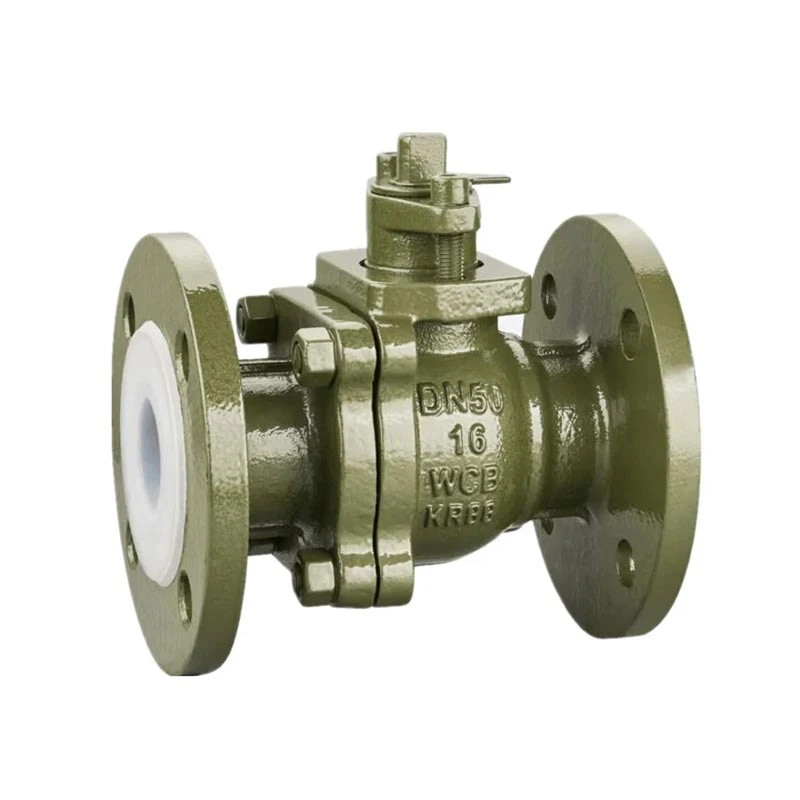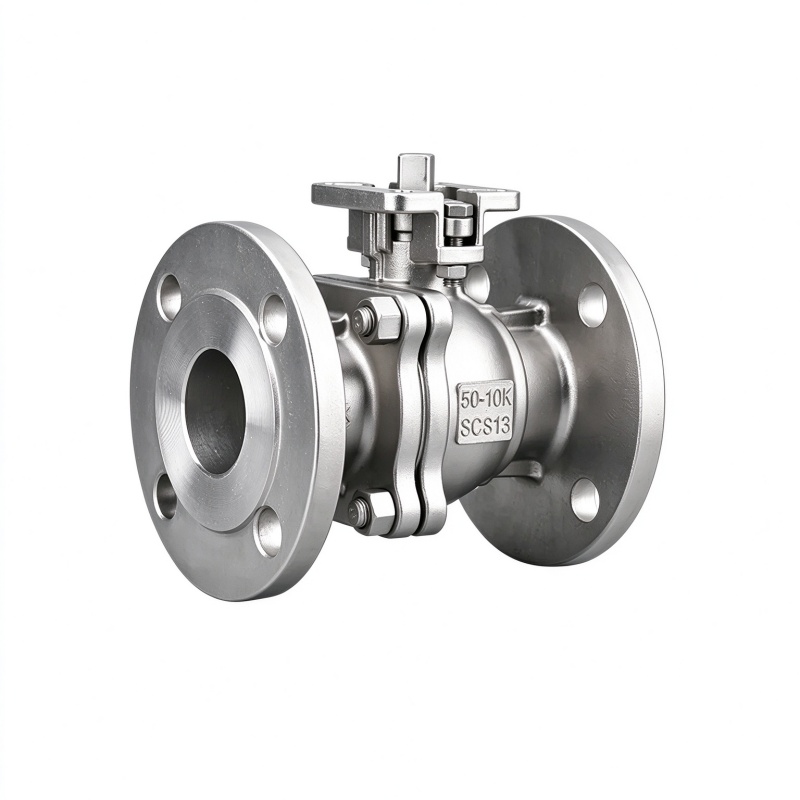
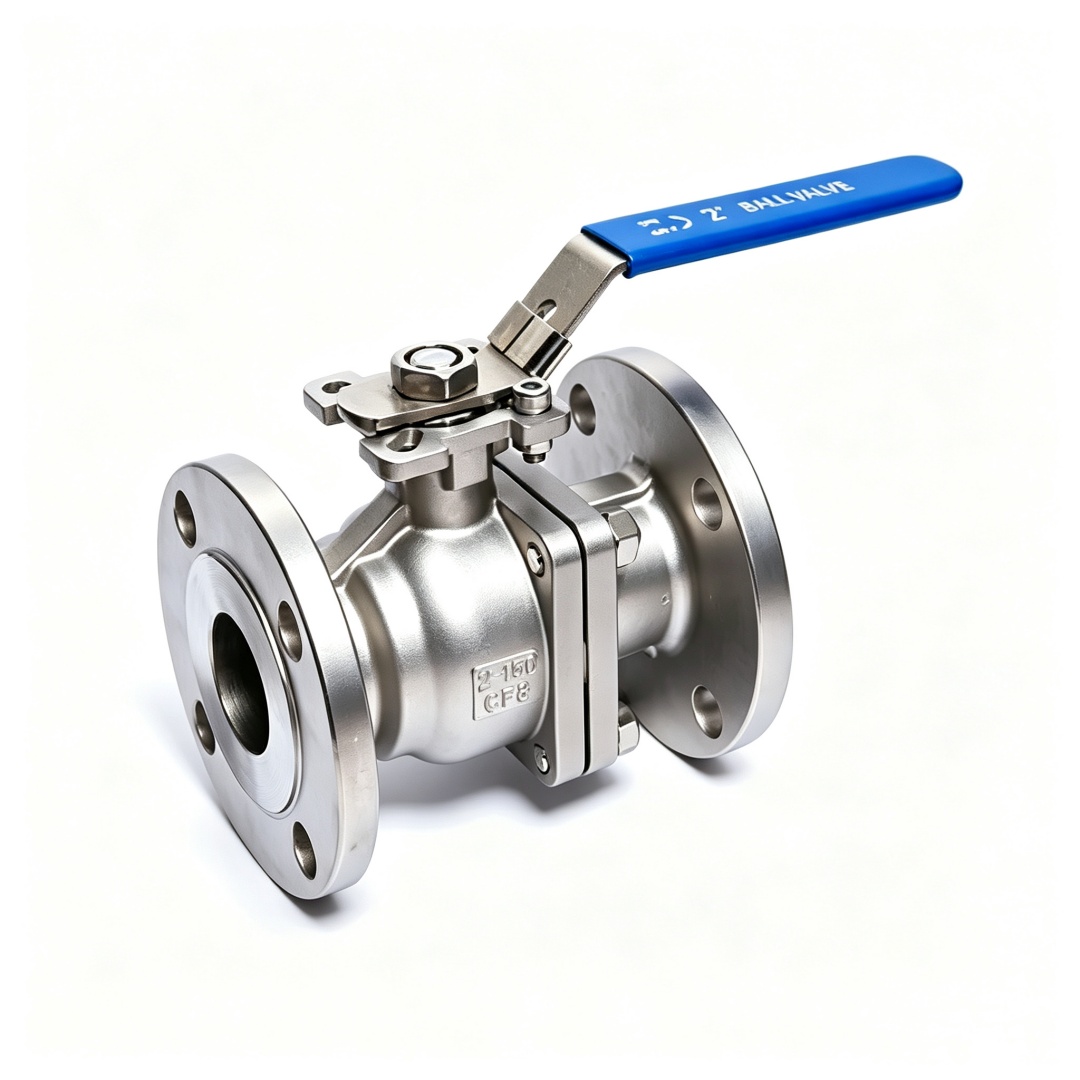
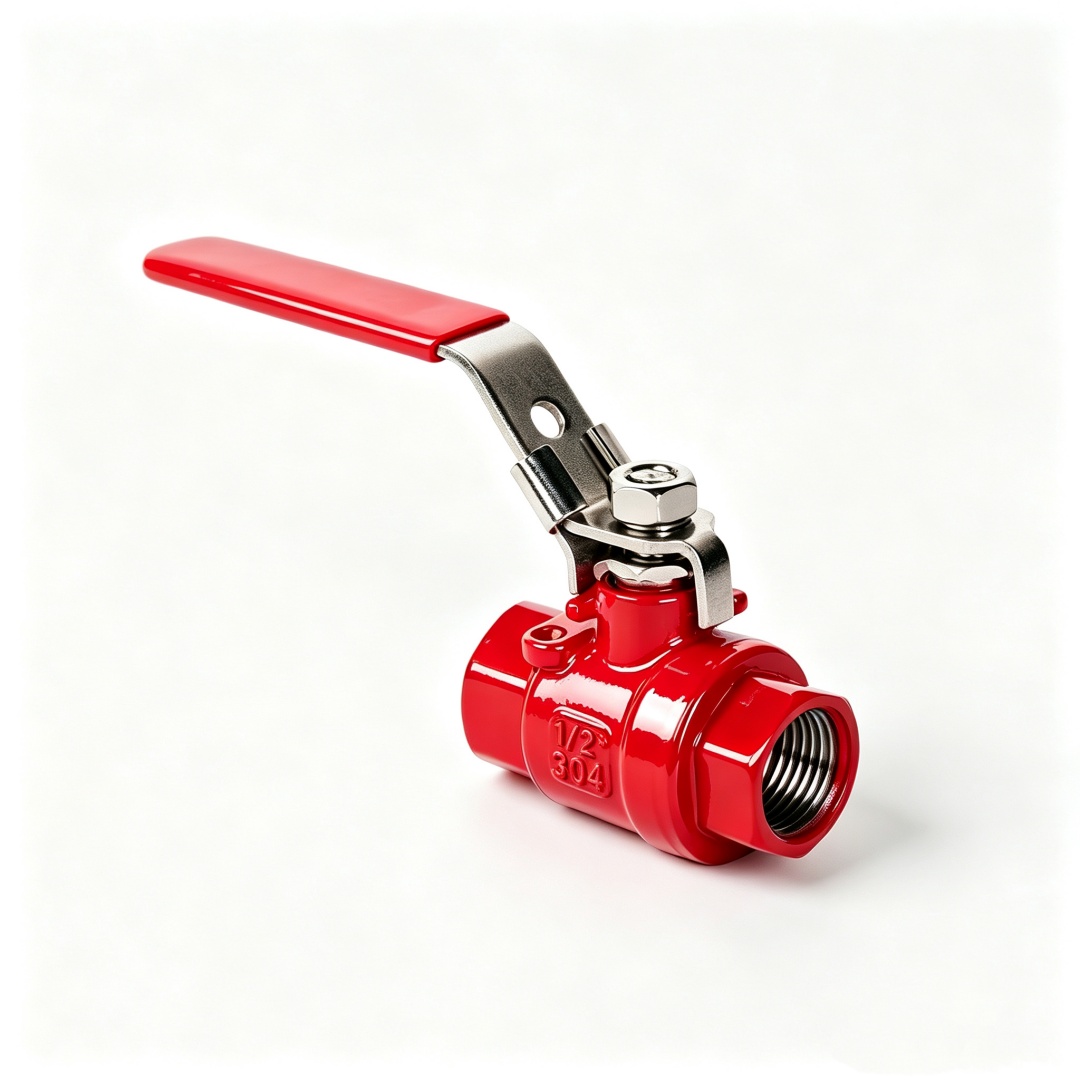

A full port ball valve helps maintain a more direct flow path by matching the ball bore closely to the pipeline's internal diameter. This design reduces flow restriction and pressure loss when the valve is fully open. In this article, we explain how a Stainless Steel Standard JIS10K Flanged Ball Valve supports pipeline flow, which specifications matter during selection, and where its design is most useful in industrial service.
The main difference between a full port ball valve and a reduced port ball valve is the diameter of the opening through the ball. In a full port design, the bore is approximately the same size as the connected pipeline's internal diameter. When the valve is fully open, the ball passage forms a relatively straight flow path with little obstruction.
A reduced port valve has a smaller opening than the pipeline. Fluid must pass through this narrower section, which can increase local flow velocity and pressure loss. The actual effect depends on the valve size, flow rate, fluid properties, and pipeline layout, but bore size is an important factor when designing a system where flow resistance needs to be controlled.
At JOEPAI, we consider the full port structure particularly useful for pipelines that require reliable on-off operation without introducing an unnecessary restriction at the valve position. It is important to distinguish this function from flow regulation: a standard ball valve is primarily designed for fully open or fully closed service, rather than continuous throttling.
A valve is one component in a larger piping system, but its internal passage can influence the system's overall pressure loss. A full port ball valve helps limit this effect in several practical ways.
When the valve is fully open, the bore through the ball provides a passage close to the pipeline's internal diameter. This avoids the pronounced contraction found in many reduced port designs. For systems transporting water, oil, gas, or compatible process fluids, maintaining a more consistent flow area can help reduce unnecessary resistance.
Every fitting, bend, and valve introduces some resistance to fluid movement. A full port design can reduce the pressure loss contributed by the valve compared with a smaller-bore alternative of an otherwise comparable design. This can be useful in long pipeline runs or systems where pressure at downstream equipment needs to be maintained.
The ball rotates 90 degrees to open or close the pipeline. In the fully open position, its bore aligns with the pipeline, allowing fluid to pass through without moving around a projecting gate or disc. A relatively unobstructed passage is also beneficial in certain pipeline cleaning arrangements, provided the valve and the cleaning equipment are designed for that purpose.
In a system with multiple valves, even small restrictions can add to the total pressure loss. Choosing a full port ball valve at locations where full-bore flow is required can help engineers manage these losses. However, it does not automatically increase pump capacity or guarantee a specific flow-rate improvement. The complete system must still be evaluated using its operating conditions and hydraulic calculations.
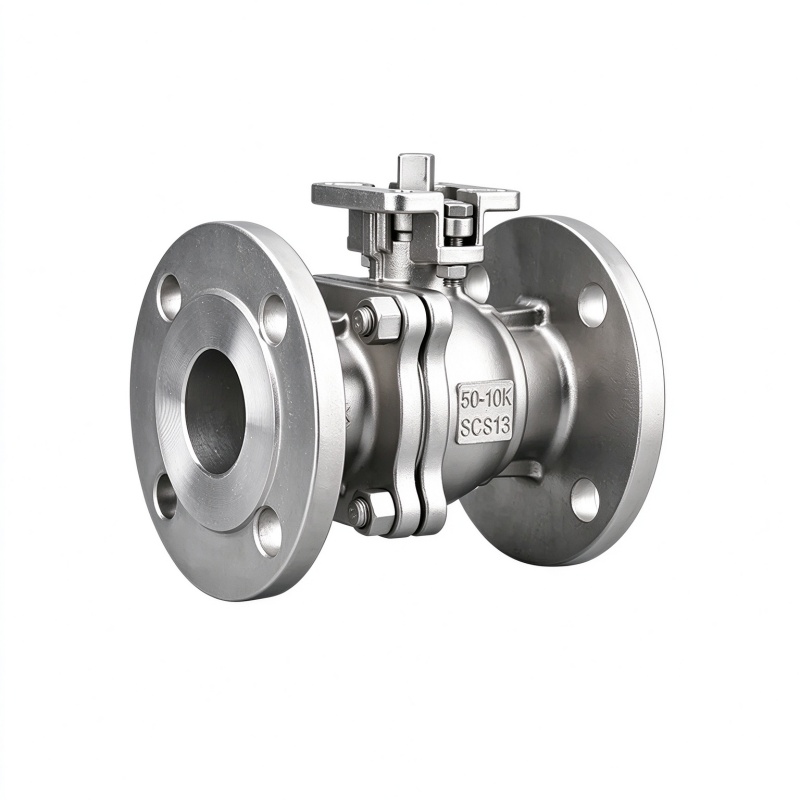
Our Stainless Steel Standard JIS10K Flanged Ball Valve combines a full port passage with a flanged connection and a range of material options. We designed this model for industrial pipeline applications where straightforward shut-off operation, sealing performance, and compatibility with the piping standard are important.
The full port design provides a flow passage intended to minimize restriction when the valve is fully open. For engineers comparing valve options, we recommend checking the actual bore diameter against the pipeline's internal diameter rather than relying on the nominal valve size alone.
The valve uses PTFE for the seats, gasket, thrust washer, and packing. PTFE offers useful chemical resistance and low-friction characteristics in many compatible services. The final suitability still depends on the medium, temperature, pressure, and concentration involved, so material compatibility should be confirmed before specifying the valve.
The blowout-proof stem design helps prevent stem ejection under pressure. For manual operation, the valve is equipped with a lever handle and locking device. This arrangement provides a straightforward way to identify and secure the valve's operating position.
An ISO 5211 mounting pad allows compatible pneumatic or electric actuators to be mounted directly, subject to actuator size and mounting-interface verification. This makes the valve suitable for projects that may move from manual operation to automated on-off control.
The top-mounted construction supports inspection and maintenance access without requiring the entire valve body to be removed from the pipeline in suitable installation arrangements. For process lines where maintenance access is limited or shutdown time is costly, this can be a useful design consideration.
The following table summarizes the main specifications of the JOEPAI model. For a final purchase specification, we recommend confirming the latest dimensional drawing, pressure-temperature limits, and material requirements for the intended service.
| Item | Specification |
|---|---|
| Product | Stainless Steel Standard JIS10K Flanged Ball Valve |
| Nominal Size | 1/2"–4" |
| Pressure Rating | JIS 10K |
| Port Design | Full Port |
| Body Materials | SUS304 / SUS316 / WCB |
| Ball Materials | SUS304 / SUS316 / SS |
| Stem Materials | SUS304 / SS |
| Seat and Sealing Materials | PTFE |
| Flange Standard | JIS B2212-1999 |
| Face-to-Face Dimensions | JIS 2002-2000 |
| Design Standard | ANSI 16.34 |
| Testing Standard | GB/T 13927-1992 |
| Operation | Manual lever, pneumatic actuator, or electric actuator |
| Mounting | ISO 5211 Direct Mounting Pad |
Material selection should be based on the actual operating medium and conditions. SUS316 may be considered for services requiring improved corrosion resistance compared with SUS304, while WCB is an option for applications where a carbon steel body is specified. Neither material should be selected without checking the fluid composition, temperature, pressure, and applicable project requirements.
Because the valve combines a full port passage, JIS 10K flanged ends, and stainless steel material options, it can be considered for a range of industrial pipeline systems. Typical application areas include:
For corrosive, abrasive, high-temperature, or otherwise demanding media, we advise checking the complete material and operating limits before choosing a valve. A stainless steel body alone does not establish compatibility with every process fluid.
In our experience, selecting a valve based only on nominal pipe size and pressure class can lead to avoidable installation or operating problems. We recommend checking the following points before confirming a model:
| Selection Check | What to Confirm | Why It Matters |
|---|---|---|
| Actual Bore Diameter | Compare the valve bore with the pipeline internal diameter. | Confirms whether the valve provides the required full-bore passage. |
| Pressure and Temperature | Check operating and design conditions against the valve rating. | Prevents selection outside the permitted service range. |
| Flange Compatibility | Verify JIS 10K flange dimensions, bolt pattern, and gasket arrangement. | Helps ensure correct alignment and a reliable flange connection. |
| Body and Trim Materials | Confirm body, ball, stem, and PTFE compatibility with the medium. | Reduces the risk of corrosion, swelling, or premature component wear. |
| Operating Method | Choose manual, pneumatic, or electric operation. | Ensures the valve suits the site's control and automation requirements. |
| Installation Space | Allow room for handle movement or actuator installation and maintenance. | Avoids access and operation problems after installation. |
One point deserves particular attention: a standard ball valve should generally be operated in the fully open or fully closed position. Leaving it partially open for continuous throttling can expose the seat to concentrated high-velocity flow and may accelerate wear. If a process requires accurate and frequent flow regulation, a suitable control valve should be evaluated instead.
Flow performance depends not only on the valve's design but also on machining accuracy, assembly quality, and inspection. At JOEPAI, our valve manufacturing work covers product design, machining, assembly, and pressure testing. Our production equipment includes more than 20 high-precision CNC lathes, a multi-function machining center, and dedicated pressure-testing equipment.
We use inspection instruments such as spectrometers, roundness measuring instruments, hardness testers, torque wrenches, and valve fatigue testing equipment. These tools help us check material composition, dimensional accuracy, operating torque, and product performance during manufacturing.
Our quality-control process includes incoming material inspection, casting X-ray inspection where applicable, assembly air-tightness testing, high-pressure water testing, and final inspection before delivery. The stated hydrostatic test pressure for the relevant production procedure is 1.5 times the rated pressure. Test requirements and acceptance criteria are confirmed according to the applicable product specification and order.
With its manufacturing background dating back to Jingyue Valve Factory in 2003, JOEPAI has expanded its product range to include ball valves, gate valves, globe valves, check valves, butterfly valves, strainers, and other industrial valve products. We also support OEM and ODM requirements, including material, size, and actuator configuration discussions.
A full port ball valve has a bore close to the pipeline's internal diameter. When fully open, it creates a relatively unobstructed passage, helping reduce flow restriction and pressure loss compared with a smaller-bore design.
It can reduce the pressure loss caused by the valve, but it does not independently determine the pipeline flow rate. Pump capacity, system resistance, pipe diameter, fluid properties, and operating conditions also affect the final flow rate.
The key difference is the bore diameter. A full port valve has a passage approximately matching the pipeline internal diameter, while a reduced port valve has a smaller opening. The reduced port design introduces a greater restriction at the valve location.
No. This model is intended mainly for on-off service. Continuous operation in a partially open position is not recommended because high-velocity flow around the ball and seat can cause wear and affect sealing performance.
The listed body options are SUS304, SUS316, and WCB. The ball is available in SUS304, SUS316, or SS, while the stem options include SUS304 and SS. PTFE is used for the seat and other listed sealing components. The final combination should be selected according to the working medium and operating conditions.
Yes. The valve features an ISO 5211 direct mounting pad and can be configured for pneumatic or electric actuation. Actuator selection should consider the required operating torque, supply conditions, control signal, and installation space.
Confirm the flange standard and dimensions, gasket compatibility, bolt arrangement, flow direction requirements if specified, and available operating space. Clean the pipeline before installation and operate the valve through its full travel after installation to check for smooth movement.
A full port ball valve supports pipeline flow by keeping the internal passage close to the pipeline bore and limiting unnecessary restriction when fully open. For industrial systems using JIS 10K flanged connections, the JOEPAI Stainless Steel Standard JIS10K Flanged Ball Valve combines full port construction with PTFE sealing components, a blowout-proof stem, and manual or automated operation options.
At JOEPAI, we believe the right valve selection starts with the actual service conditions—not just the nominal size. Checking bore diameter, pressure and temperature, material compatibility, flange dimensions, and operating method helps ensure that the selected valve performs as intended throughout its service life. For detailed dimensions and configuration information, visit the JOEPAI Stainless Steel Standard JIS10K Flanged Ball Valve product page.