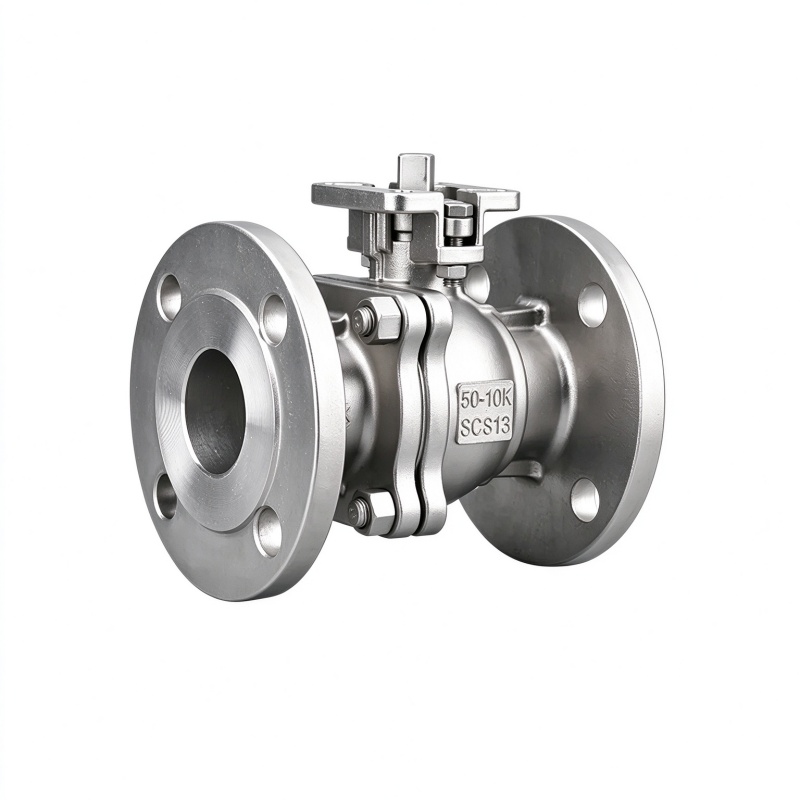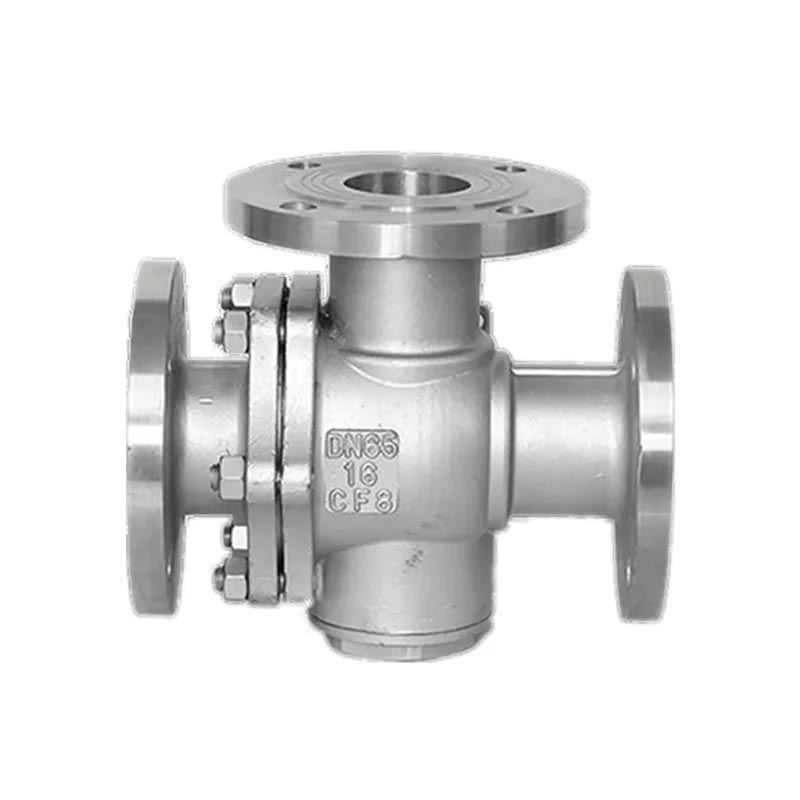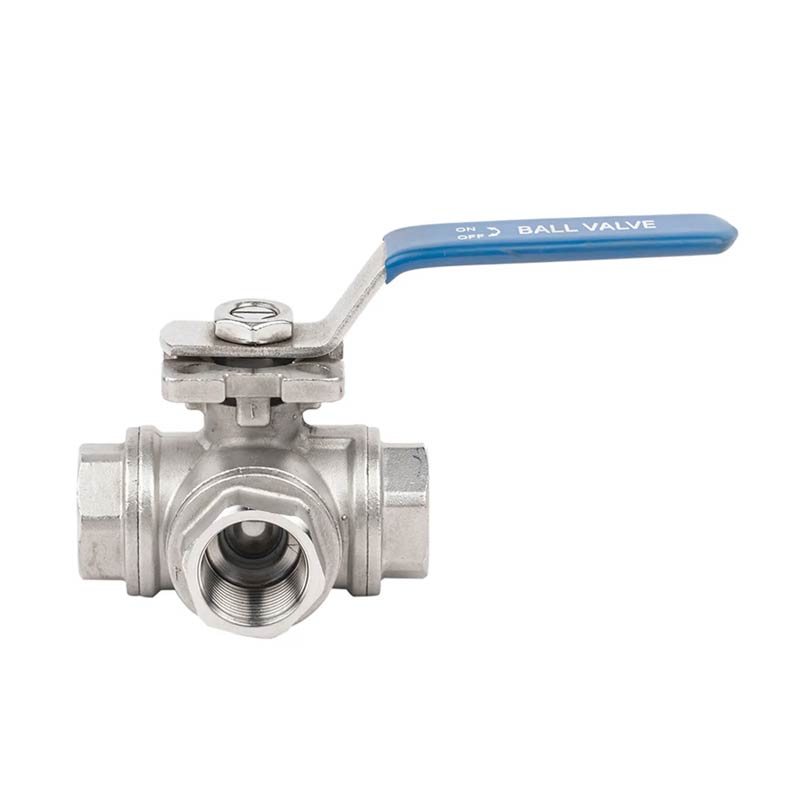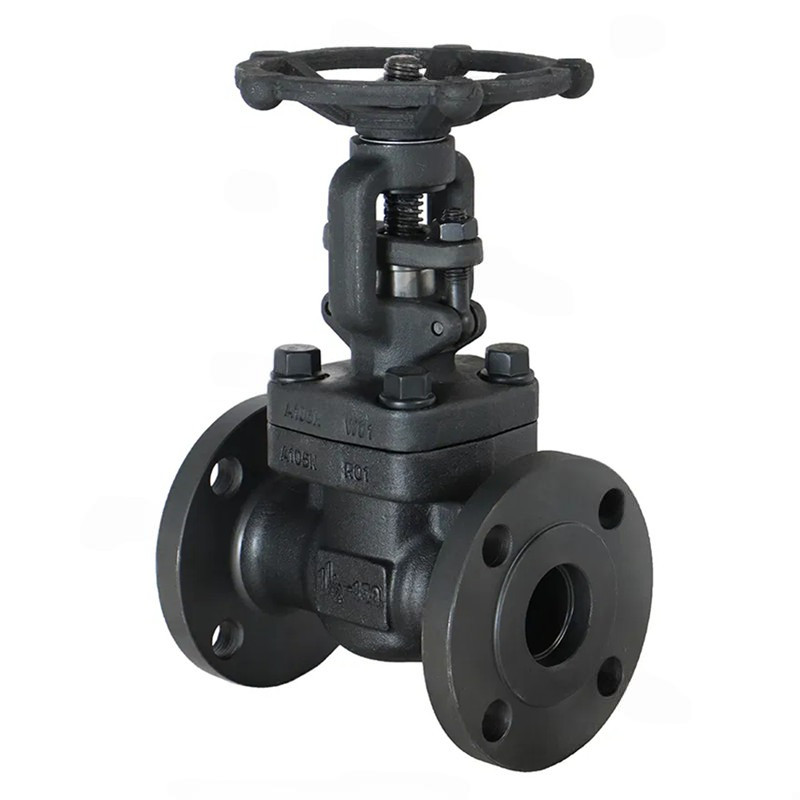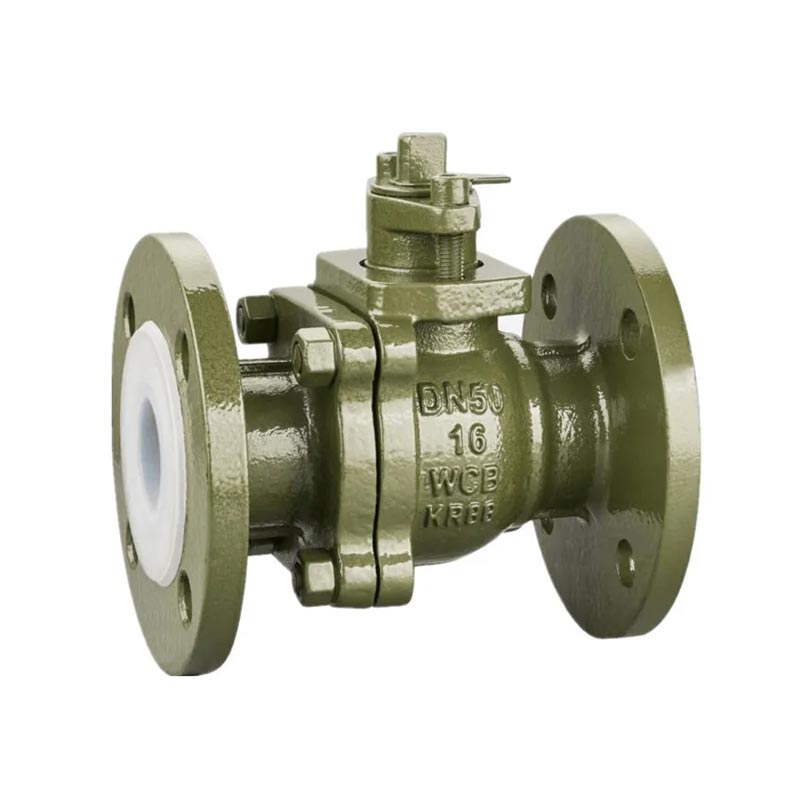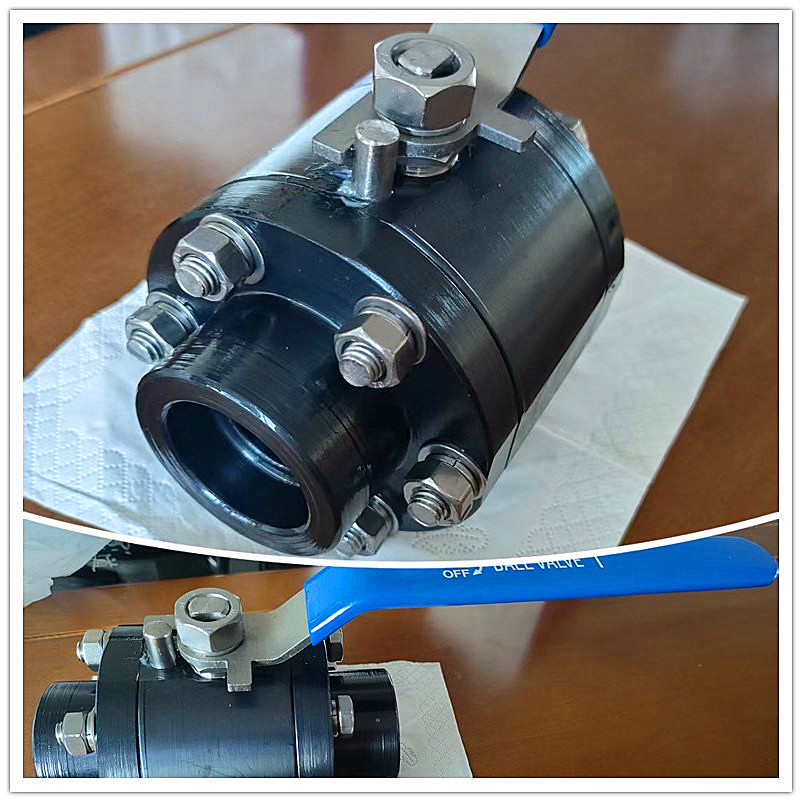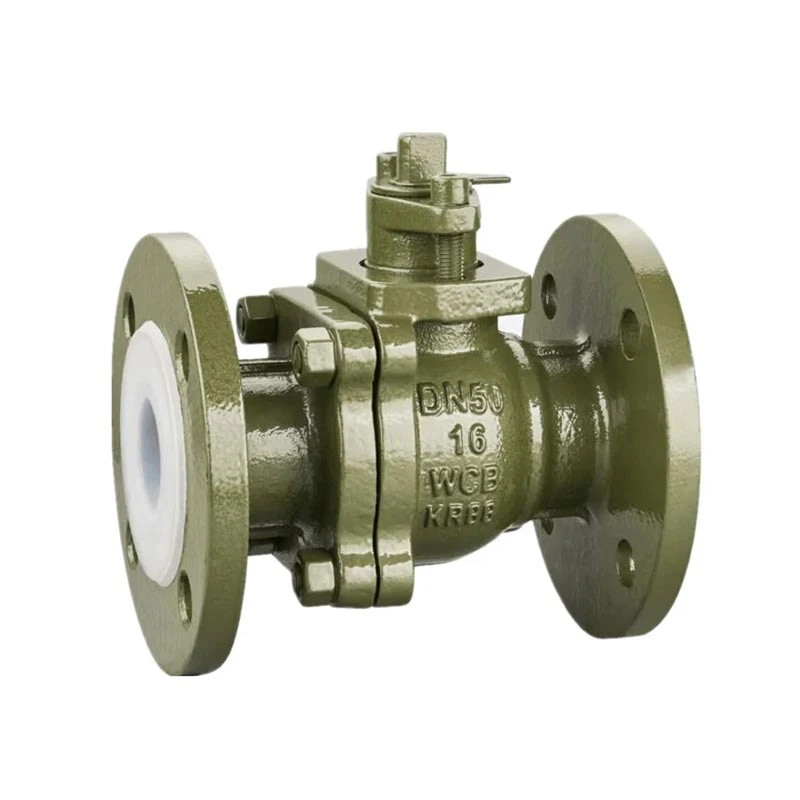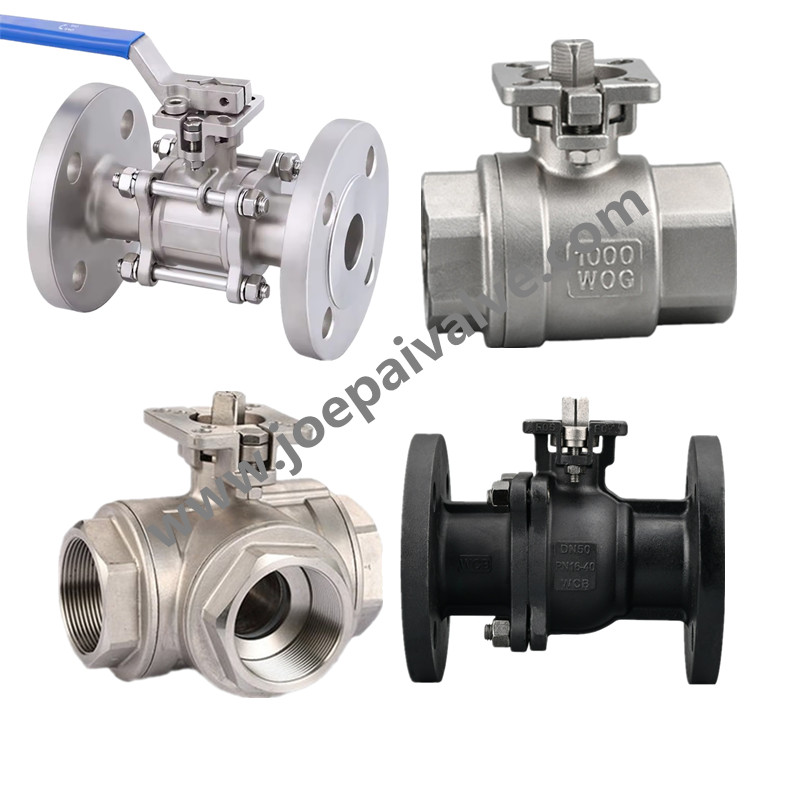
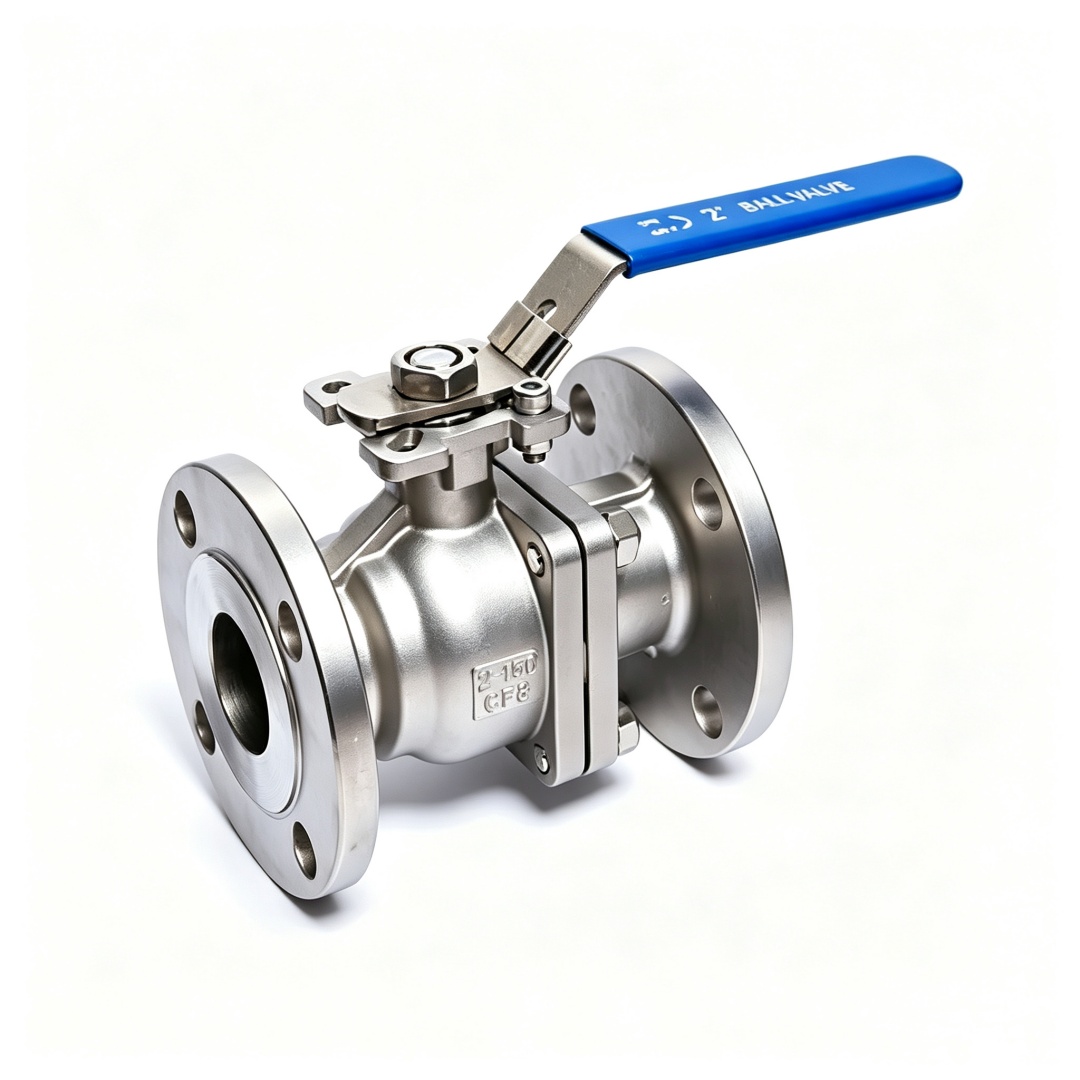
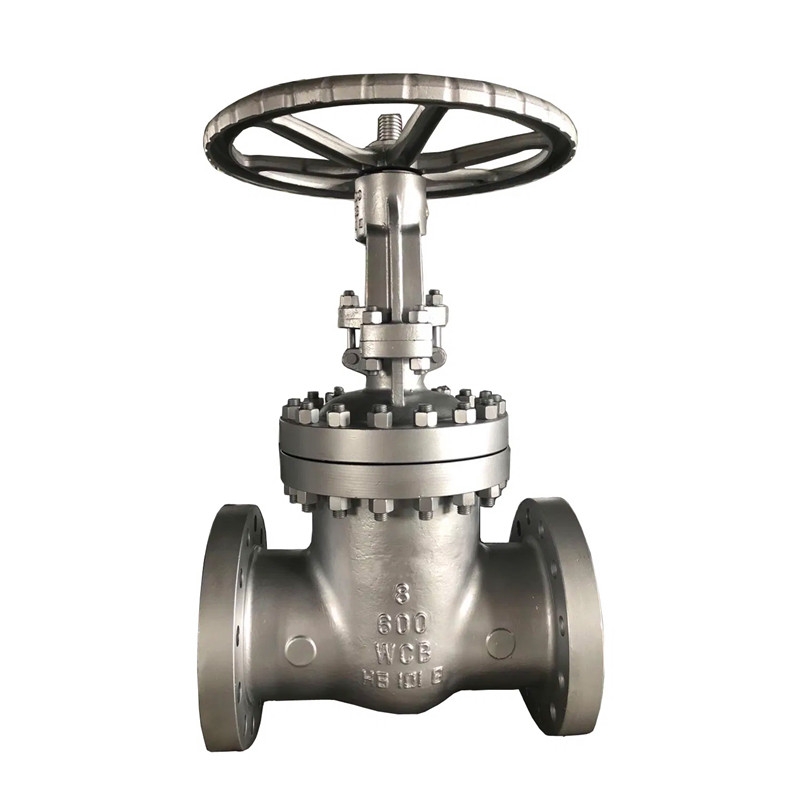
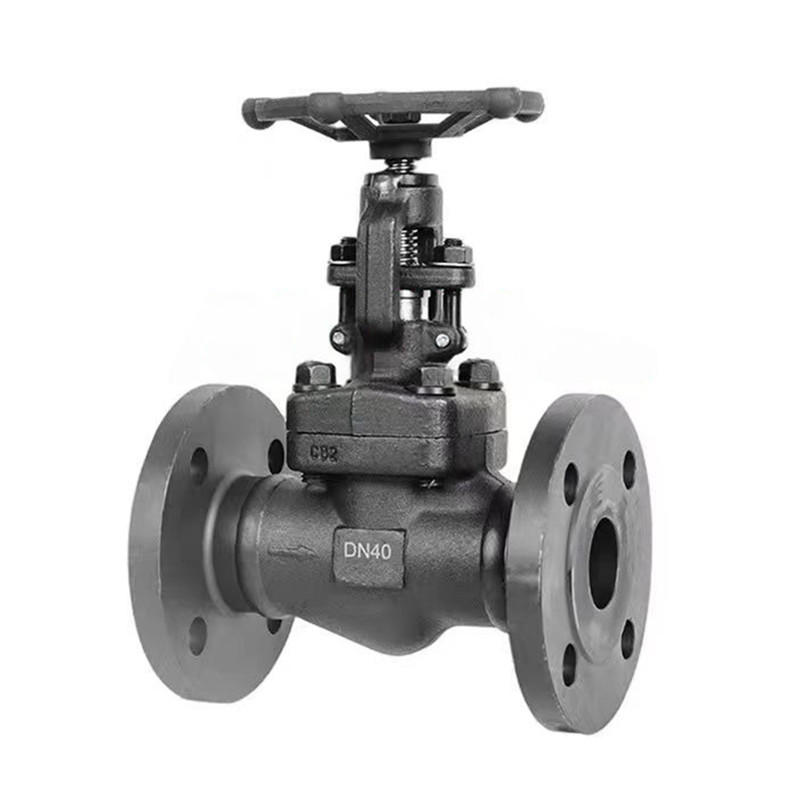
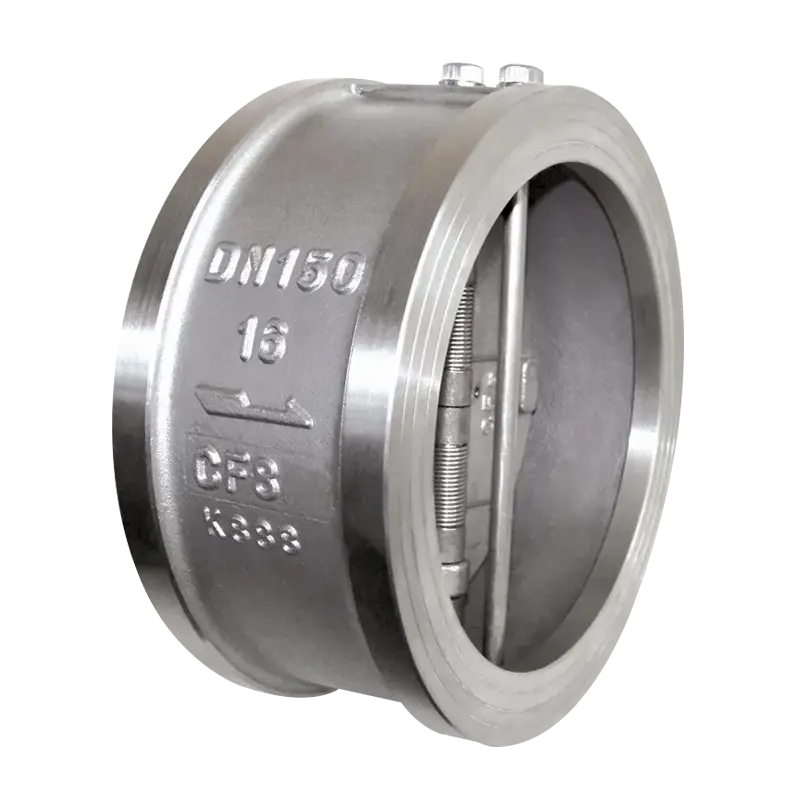
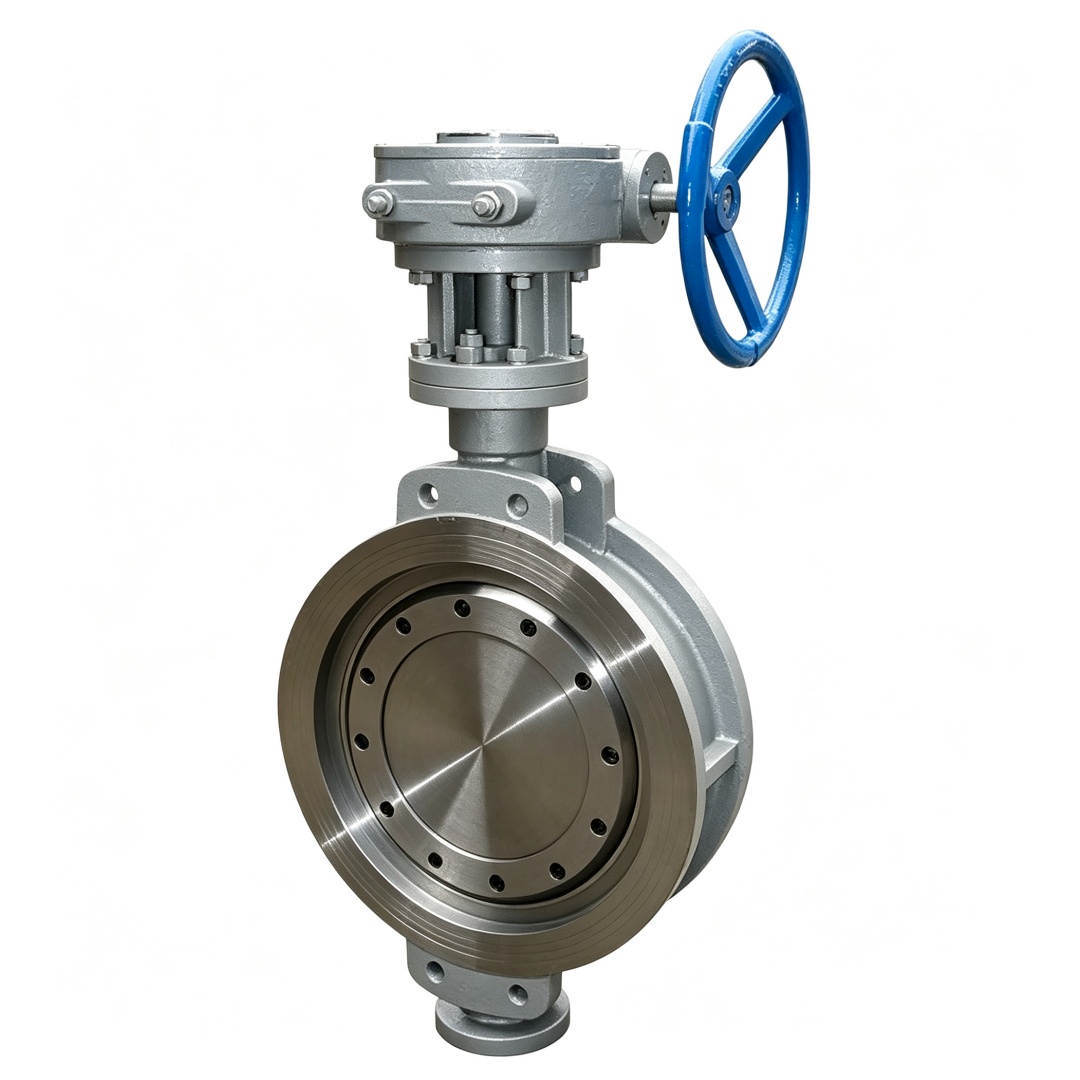
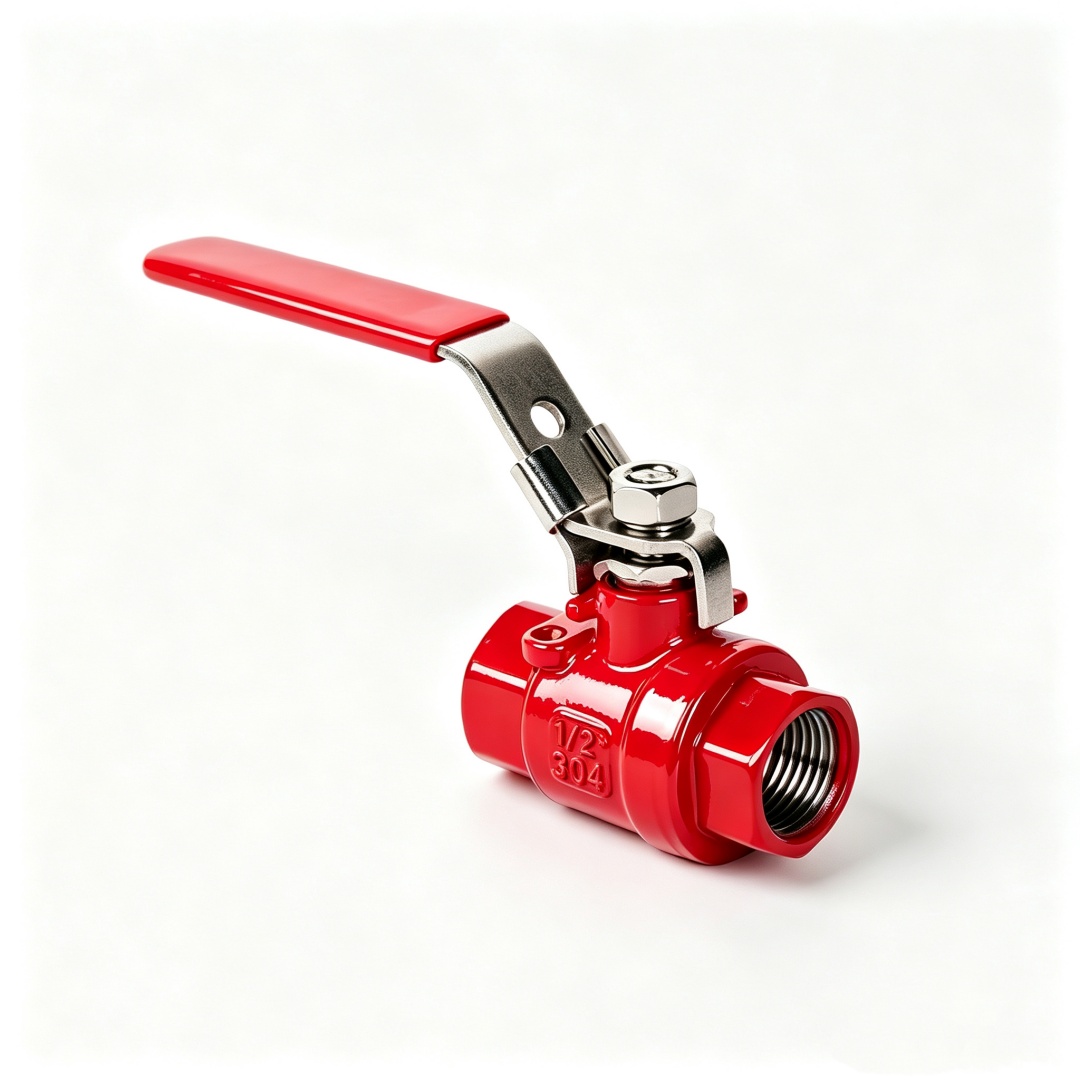


JOEPAI Y-Type Stainless steel PN16 three way ball valve, The valve has a special structure and flexible operation, making it an ideal selection for multi-directional fluid switching and control. The PN16 nominal pressure rating ensures its high quality pressure bearing performance in medium pressure systems. The unique Y-shaped structure effectively reduces fluid disturbance and pressure drop, extending the service life.
Smooth diversion/merging, avoiding liquid accumulation and dead corners
L-shaped or T-shaped design is optional, which can control different flow directions
Corrosion resistant, easy to clean, long lifespan
Easy to operate, excellent sealing performance
Multiple connection methods including threads, flanges, and welding are available for selection
Multiple control modes including manual, pneumatic, electric, etc
1. Y-Type Stainless steel PN16 three way ball valve: The channel of the T-type three-way ball valve is set with one inlet and two outlets, which can divert fluid from one inlet to two outlets, or merge the two inlets into one outlet. When diverting, it is necessary to close one outlet and open the other outlet; When merging, it is necessary to open two entrances and close one exit.
2. L-type three way ball valve: The channel of L-type three way ball valve is set with two inlets and one outlet, which can divide the two inlets into one outlet or divide one inlet into two outlets. When diverting, it is necessary to close one inlet and open one outlet; When merging, it is necessary to open one entrance and close one exit.


| DN | L | D | K | R | C | f | n-d |
| 50 | 340 | 160/165 | 125 | 100 | 20 | 3 | 4-18 |
| 65 | 400 | 180/185 | 145 | 120 | 20 | 3 | 4-18 |
| 80 | 410 | 195/200 | 160 | 135 | 20 | 3 | 8-18 |
| 100 | 460 | 215/220 | 180 | 155 | 22 | 3 | 8-18 |
| 125 | 560 | 245/250 | 210 | 185 | 22 | 3 | 8-18 |
| 150 | 660 | 280/285 | 240 | 210 | 24 | 3 | 8-23 |
| 200 | 800 | 335/340 | 295 | 265 | 24 | 3 | 12-23 |
| 250 | 1030 | 405 | 355 | 320 | 30 | 3 | 12-25 |
| 300 | 1140 | 460 | 410 | 375 | 30 | 4 | 12-25 |

| DN | L | D | K | R | C | f | n-d |
| 50 | 110 | 160/165 | 125 | 100 | 20 | 3 | 4-18 |
| 65 | 130 | 180/185 | 145 | 120 | 20 | 3 | 4-18 |
| 80 | 150 | 195/200 | 160 | 135 | 20 | 3 | 8-18 |
| 100 | 170 | 215/220 | 180 | 155 | 22 | 3 | 8-18 |
| 125 | 190 | 245/250 | 210 | 185 | 22 | 3 | 8-18 |
| 150 | 210 | 280/285 | 240 | 210 | 24 | 3 | 8-23 |
| 200 | 245 | 335/340 | 295 | 265 | 24 | 3 | 12-23 |
| 250 | 290 | 405 | 355 | 320 | 30 | 3 | 12-25 |

Address
Building 2, No. 4228, Binhai 3rd Road, Xinghai Street, Longwan District, Wenzhou City, Zhejiang Province, China
Tel