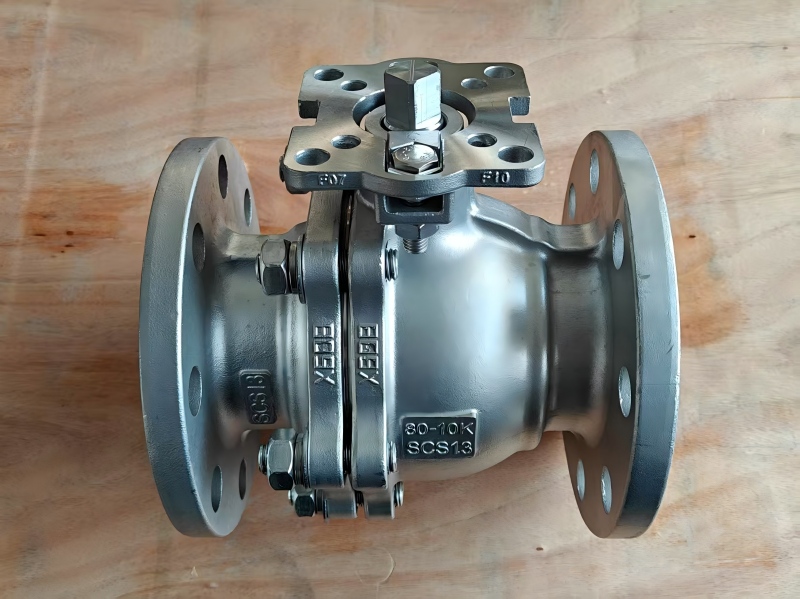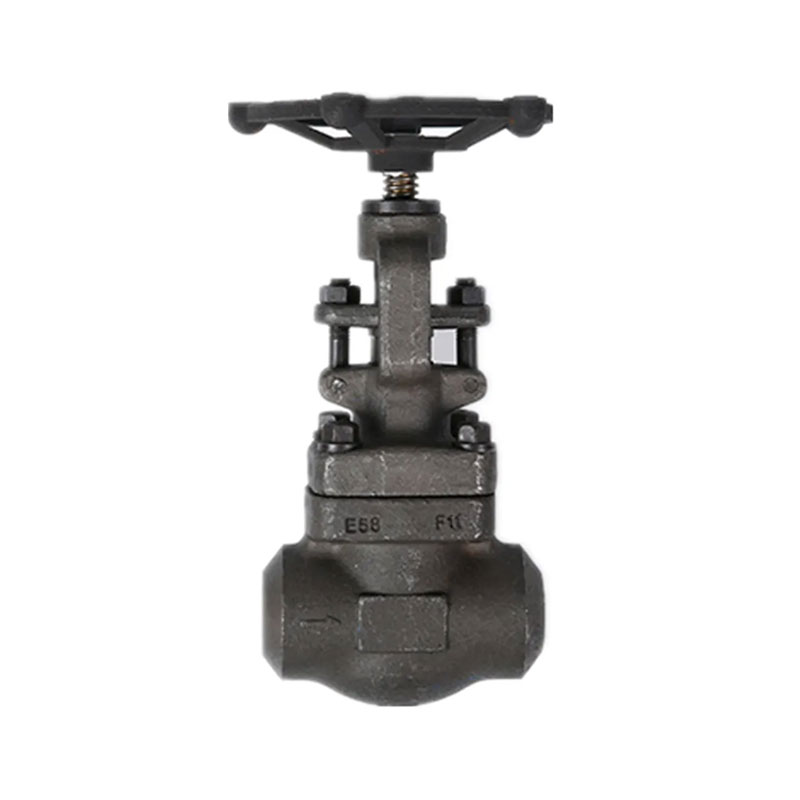
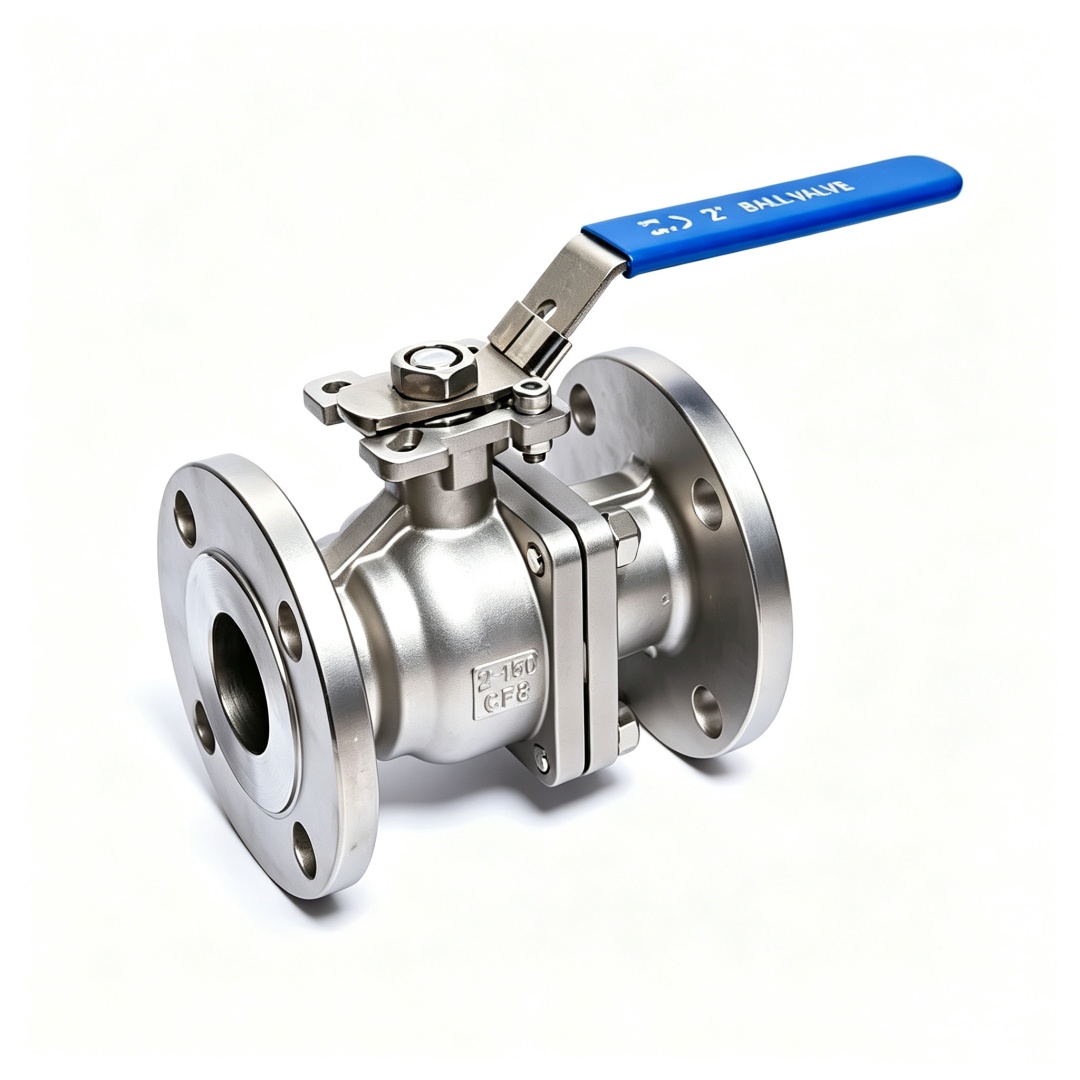
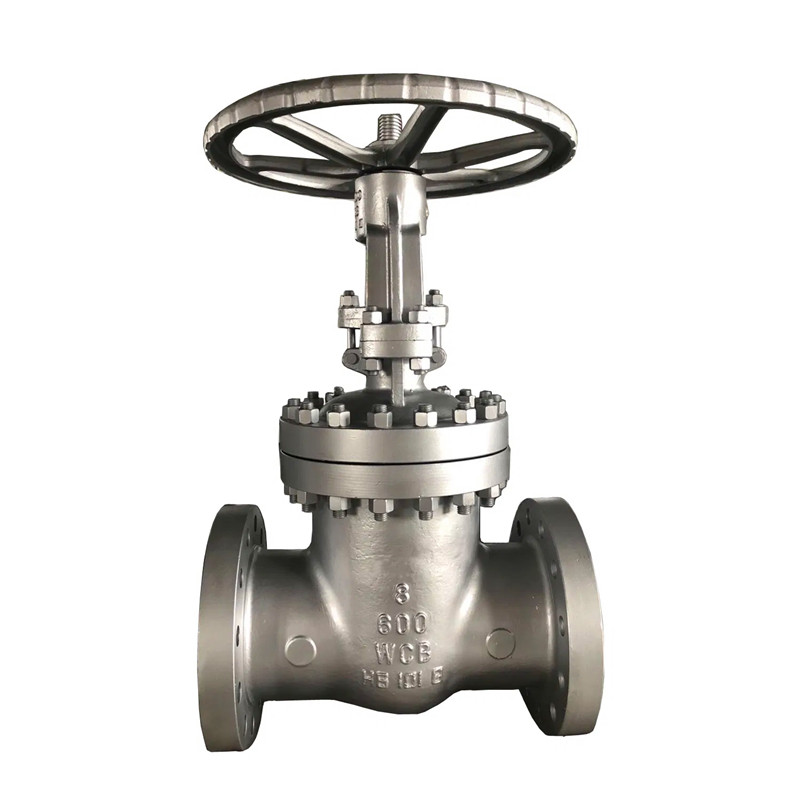
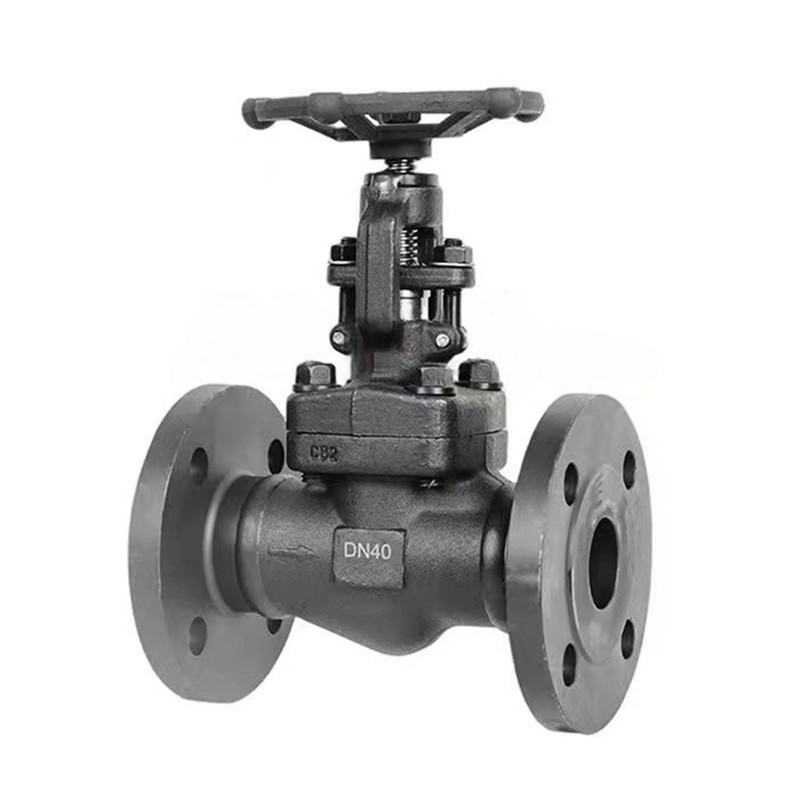
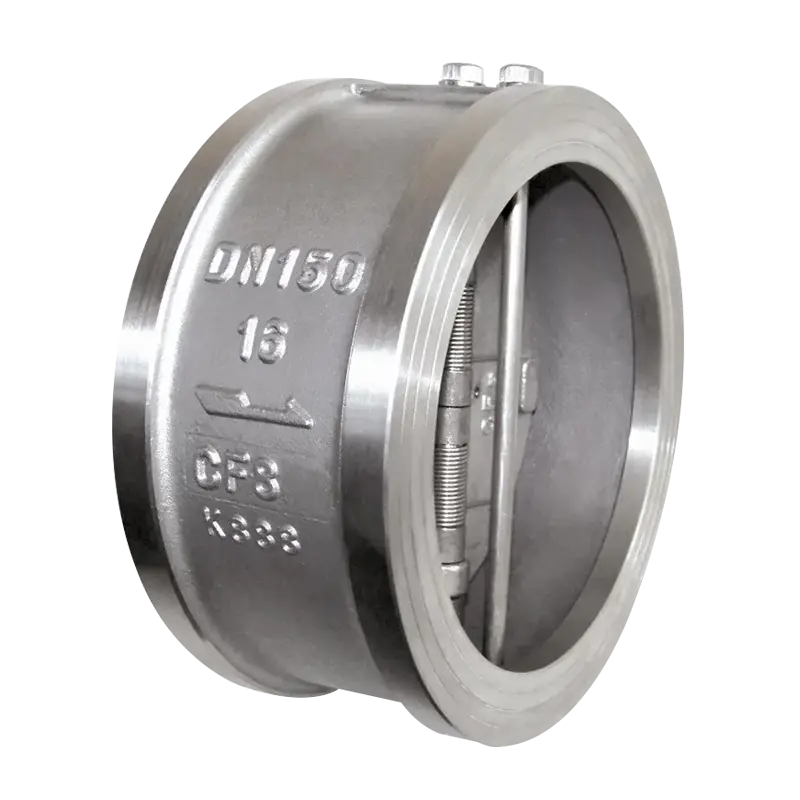
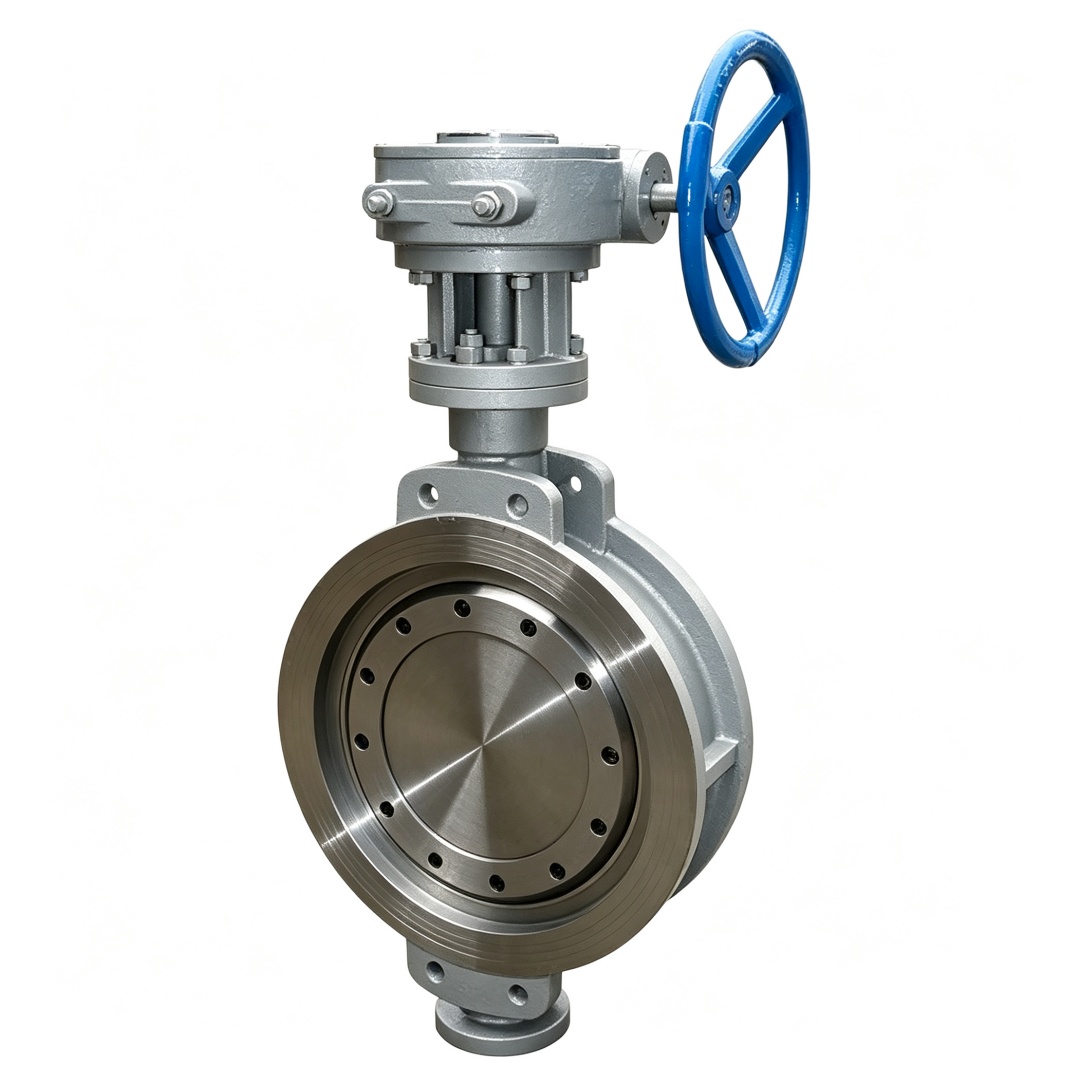
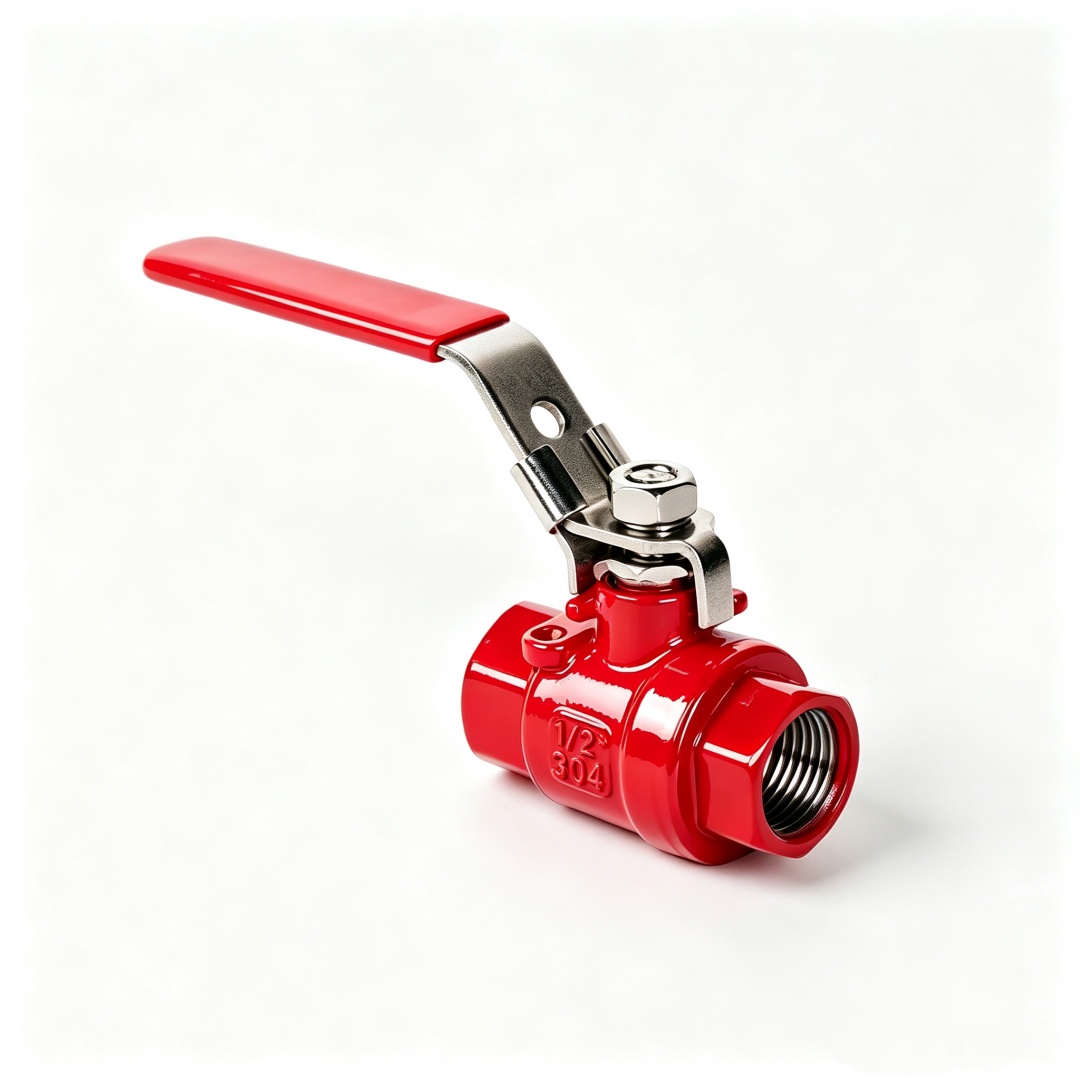

Integrated Forged Steel Flange Gate Valves are widely used in demanding industrial environments where high pressure, elevated temperatures, and critical sealing performance are required. These valves combine the strength of forged steel with flange-end connectivity to deliver excellent mechanical durability, corrosion resistance, and maintenance convenience.
In this article, we explore how integrated forged steel flange gate valves work, their structural advantages, common industrial applications, material selection considerations, maintenance strategies, and how businesses can select the right valve supplier. Whether you are designing a refinery pipeline or upgrading a steam system, this guide will help you make informed decisions that reduce downtime and improve operational safety.

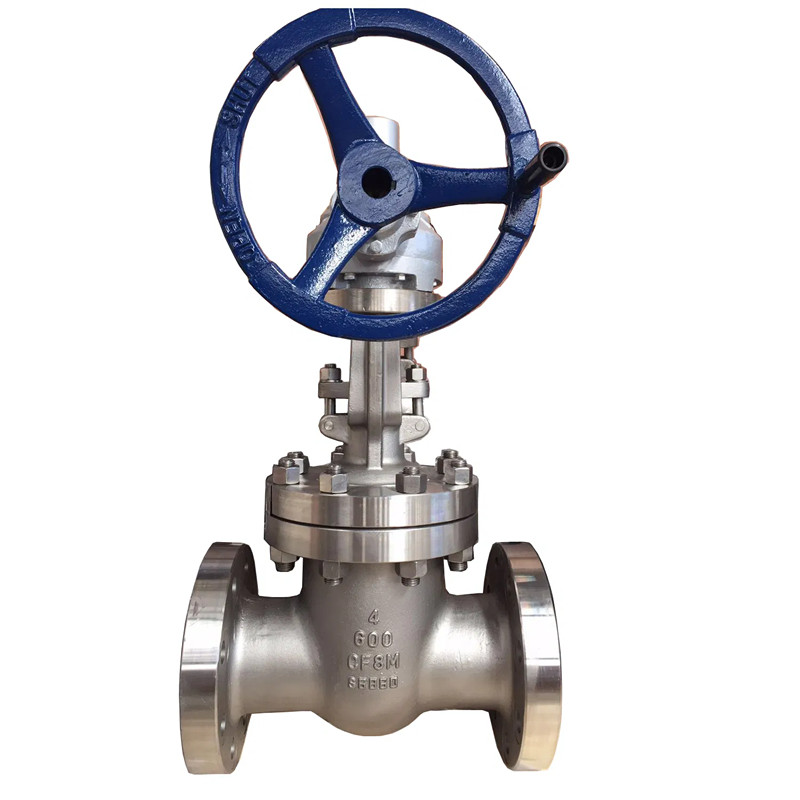
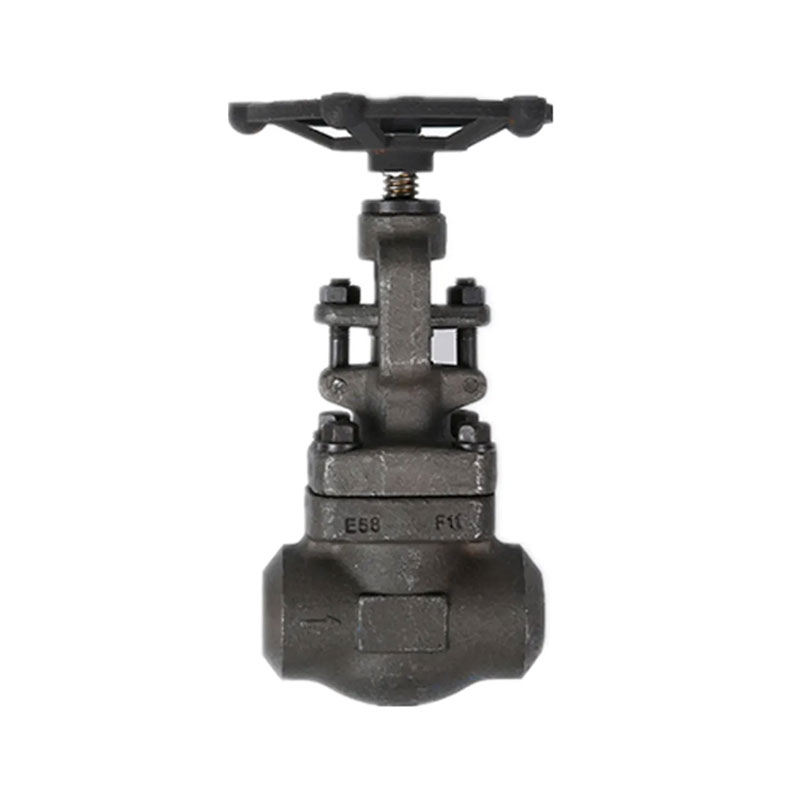
An Integrated Forged Steel Flange Gate Valve is a heavy-duty industrial valve designed to control fluid flow in high-pressure piping systems. The valve operates using a gate mechanism that moves vertically to either block or allow the flow of liquids, gases, steam, or chemicals.
Unlike conventional cast valves, forged steel valves are manufactured through a forging process that compresses steel under extreme pressure. This process creates a denser internal grain structure, improving mechanical strength and resistance to cracking.
The flange connection design allows easy installation and secure sealing within industrial pipeline systems. These valves are commonly used in:
Industrial environments often expose valves to extreme operational conditions such as high pressure, thermal cycling, vibration, and corrosive media. Forged steel provides superior reliability compared to many traditional materials.
| Feature | Forged Steel Benefit |
|---|---|
| Mechanical Strength | Higher tensile and impact resistance |
| Pressure Resistance | Suitable for high-pressure systems |
| Structural Integrity | Reduced internal defects and porosity |
| Service Life | Long-term durability in harsh conditions |
| Thermal Stability | Excellent performance at elevated temperatures |
Because of these advantages, forged steel valves are often selected for safety-critical systems where leakage or failure could result in operational shutdowns or environmental hazards.
Understanding the internal structure of an Integrated Forged Steel Flange Gate Valve helps operators select the correct product for their system requirements.
The forged steel body forms the pressure-retaining shell of the valve and provides structural stability.
The gate moves vertically to open or close fluid flow with minimal pressure drop.
The stem transfers rotational motion from the handwheel or actuator into linear gate movement.
Flange connections ensure secure installation and easy maintenance in industrial pipelines.
Many modern designs also include pressure seal bonnets, anti-static devices, fire-safe sealing systems, and corrosion-resistant coatings to improve reliability under severe operating conditions.
Industrial buyers often prioritize operational safety, low maintenance costs, and long service life. Integrated forged steel flange gate valves provide multiple performance advantages.
These advantages make the valve particularly suitable for demanding industries where downtime can significantly increase operational costs.
Integrated forged steel flange gate valves are essential components across many industrial sectors.
| Industry | Application |
|---|---|
| Oil & Gas | Pipeline isolation and flow control |
| Petrochemical | Chemical transportation systems |
| Power Plants | Steam and boiler pipelines |
| Marine Industry | Saltwater and fuel systems |
| Water Treatment | Flow shutoff and distribution systems |
| Mining | Slurry and abrasive fluid systems |
In oil refineries and offshore platforms, valve failure can result in costly shutdowns. Therefore, high-integrity forged steel valves are frequently selected to maintain operational continuity.
Many buyers compare forged steel and cast steel gate valves before making purchasing decisions.
| Factor | Forged Steel Valve | Cast Steel Valve |
|---|---|---|
| Strength | Very High | Moderate |
| Pressure Capacity | Excellent | Good |
| Internal Defects | Minimal | Possible porosity |
| Service Life | Longer | Shorter |
| Cost | Higher Initial Cost | Lower Initial Cost |
Although forged steel valves may have a higher upfront investment, they often reduce long-term operational and maintenance costs through improved durability and reliability.
Selecting the correct material is essential for achieving optimal valve performance and lifespan.
Buyers should evaluate operating pressure, temperature, fluid composition, and environmental conditions before selecting a material specification.
Improper valve sizing can cause pressure losses, operational instability, and premature equipment failure.
Key considerations include:
Common pressure ratings include Class 150, Class 300, Class 600, Class 900, and higher depending on system requirements.
Industrial engineers often conduct flow calculations and pressure analysis before finalizing valve selection to ensure system efficiency and safety.
Correct installation and preventive maintenance are critical for maximizing valve lifespan.
Proper maintenance significantly reduces unexpected downtime and improves operational reliability.
| Problem | Possible Cause | Solution |
|---|---|---|
| External Leakage | Damaged gasket or packing | Replace sealing components |
| Difficult Operation | Stem corrosion or debris | Lubricate and clean stem |
| Internal Leakage | Seat damage | Repair or replace seats |
| Corrosion | Incorrect material selection | Upgrade valve material |
Industrial valve technology continues to evolve to meet modern operational demands.
Manufacturers are increasingly integrating intelligent monitoring systems that allow operators to track valve performance in real time and reduce maintenance costs through predictive diagnostics.
Forged steel valves offer higher strength, better pressure resistance, and longer service life compared to many cast valve alternatives.
Yes. Integrated forged steel flange gate valves are commonly used in steam pipelines and high-temperature industrial applications.
Inspection frequency depends on operating conditions, but most industrial systems perform routine inspections every 6 to 12 months.
Oil and gas, petrochemical, power generation, marine, and heavy industrial sectors are among the largest users of forged steel gate valves.
Integrated Forged Steel Flange Gate Valves play a critical role in maintaining the safety, reliability, and efficiency of modern industrial piping systems. Their superior strength, sealing capability, and resistance to extreme pressure and temperature conditions make them indispensable in demanding industries.
By selecting the appropriate valve material, pressure class, and design configuration, businesses can significantly improve operational performance while reducing long-term maintenance costs and downtime risks.
As industrial systems become more automated and performance-driven, high-quality forged steel gate valves will continue to serve as essential components in global infrastructure and energy projects.
Wenzhou Joepai Valve Co., Ltd. specializes in high-quality industrial valve manufacturing solutions designed for demanding applications worldwide. Our experienced team provides dependable products, professional technical support, and customized solutions tailored to your operational needs.
Contact us today to discuss your project requirements and discover the right valve solution for your industrial system.