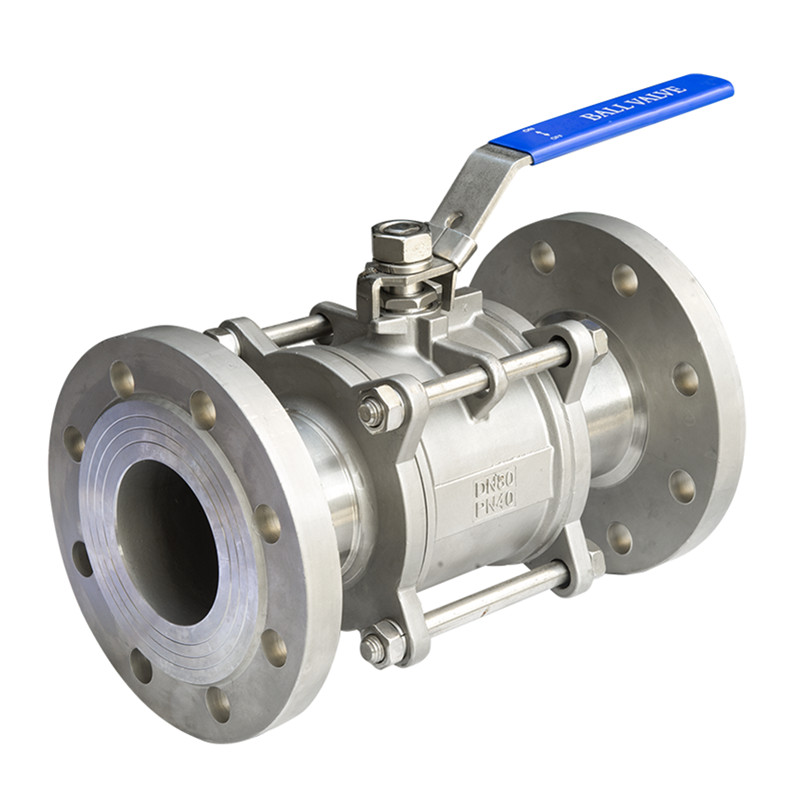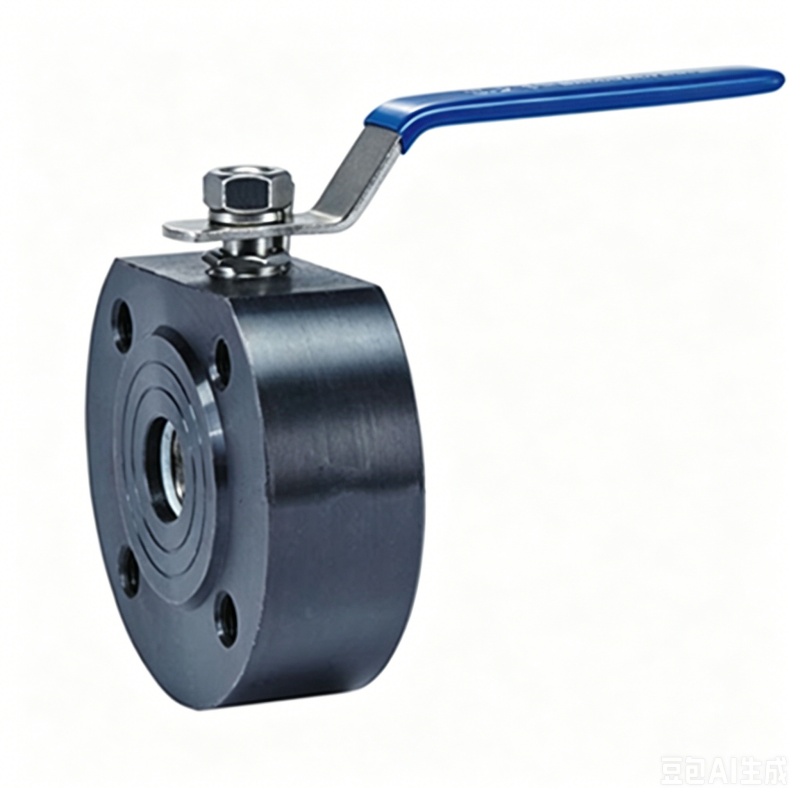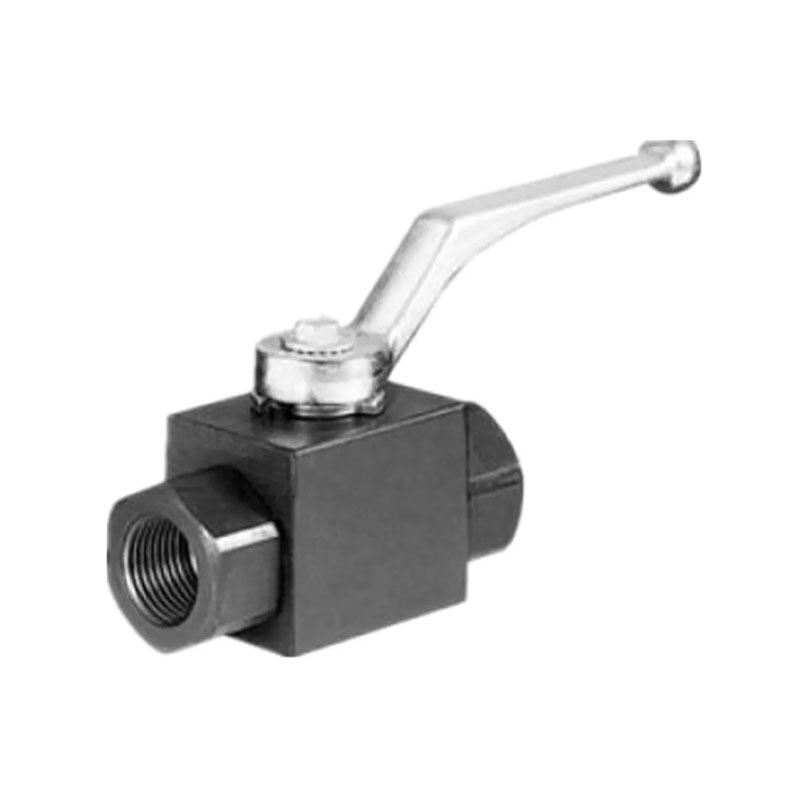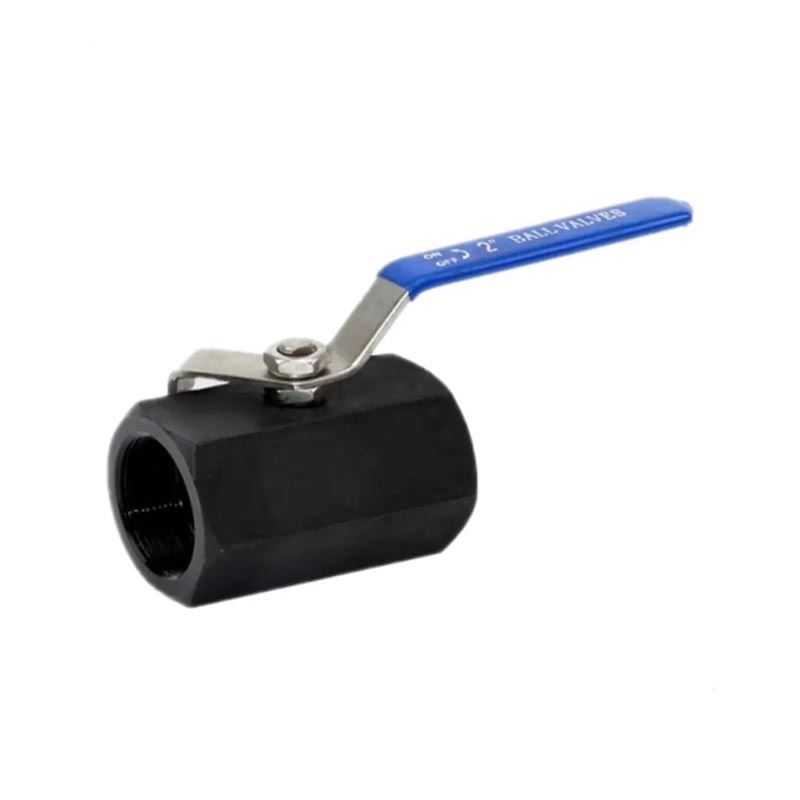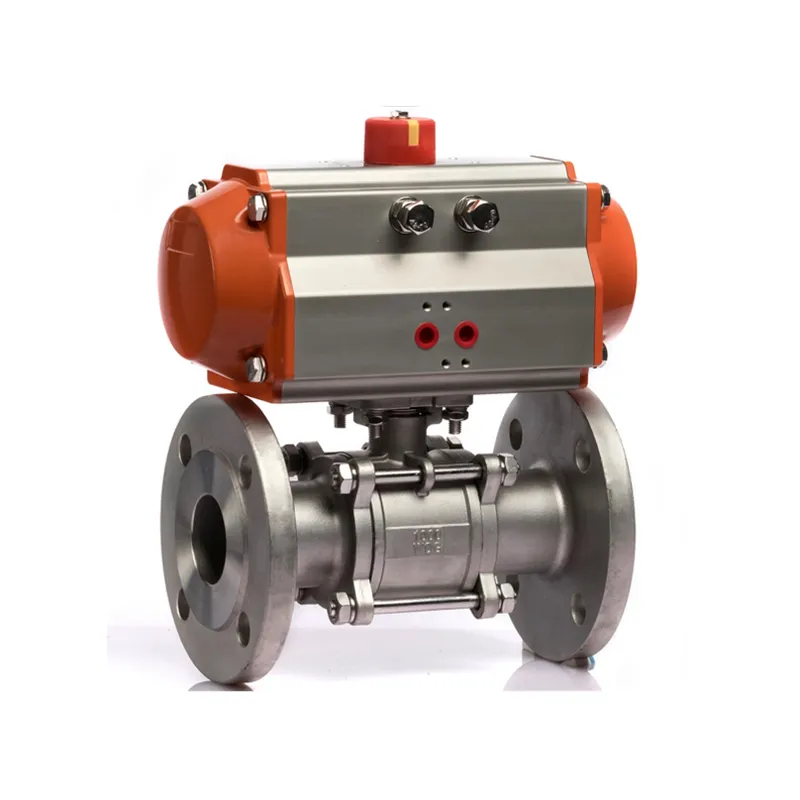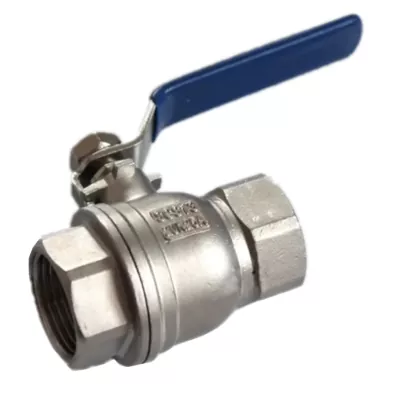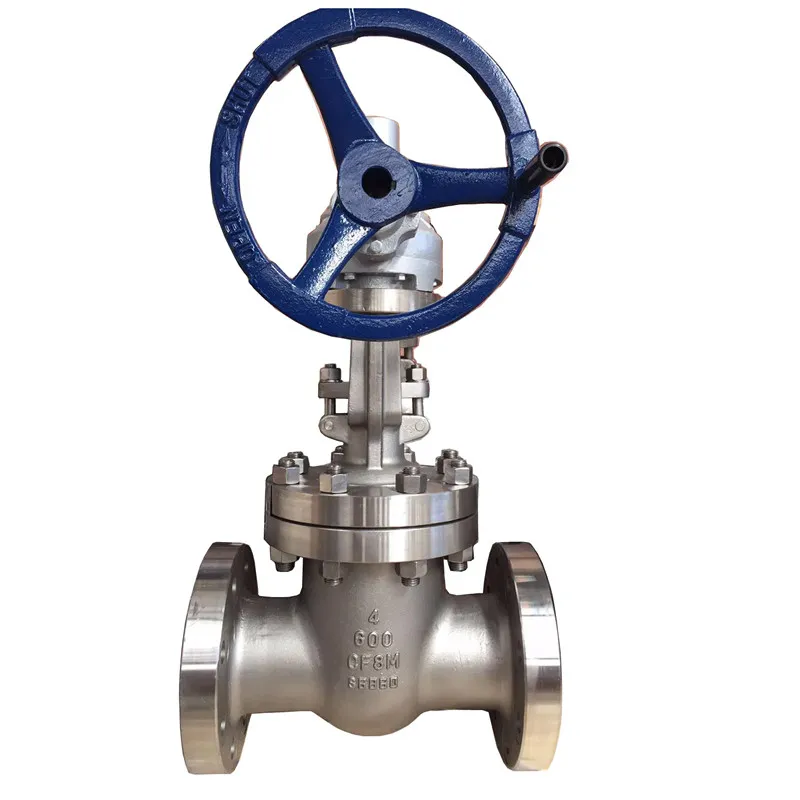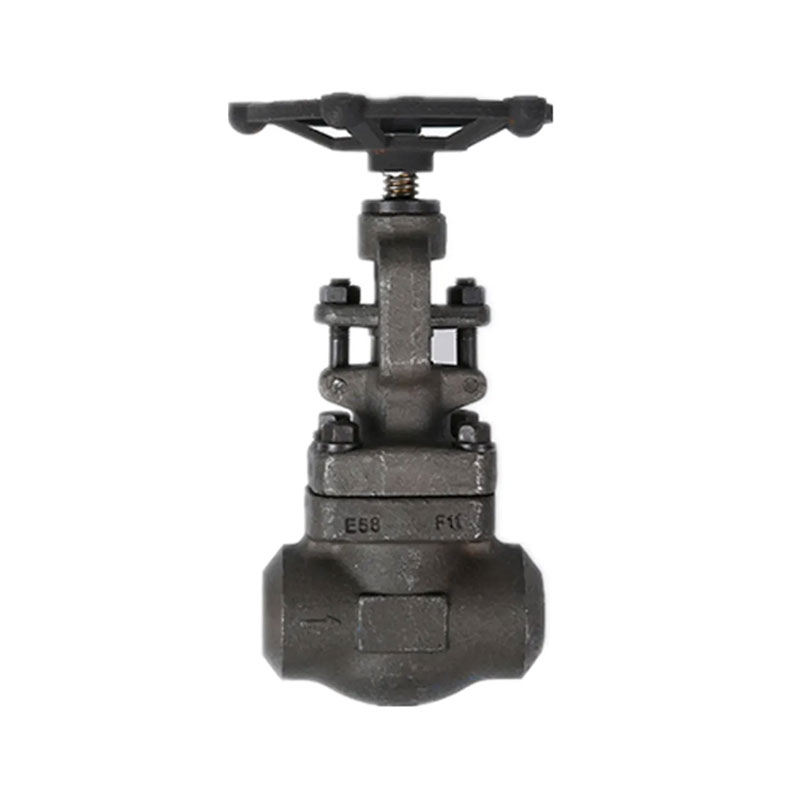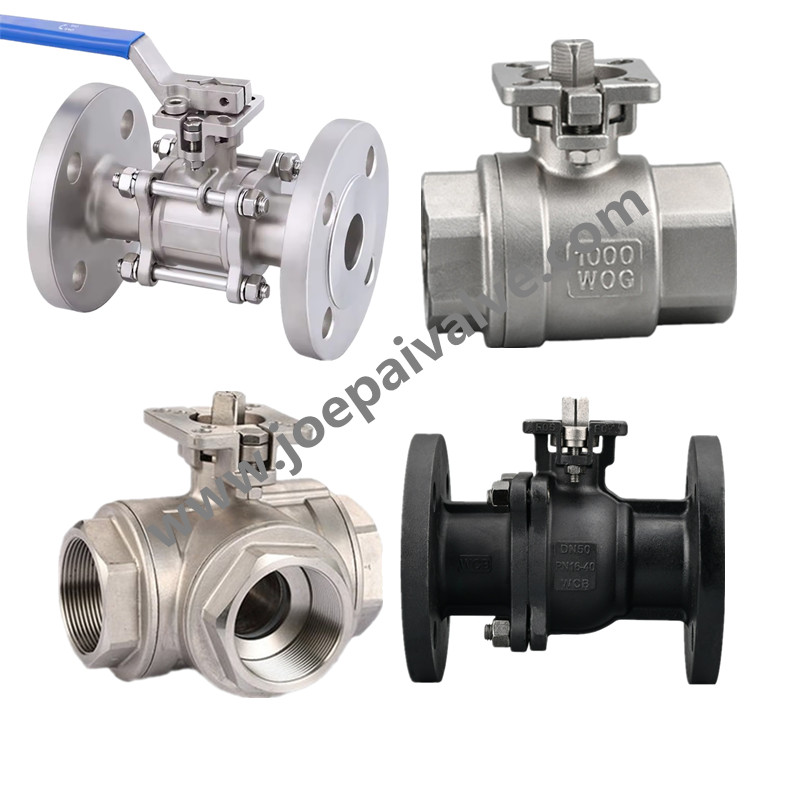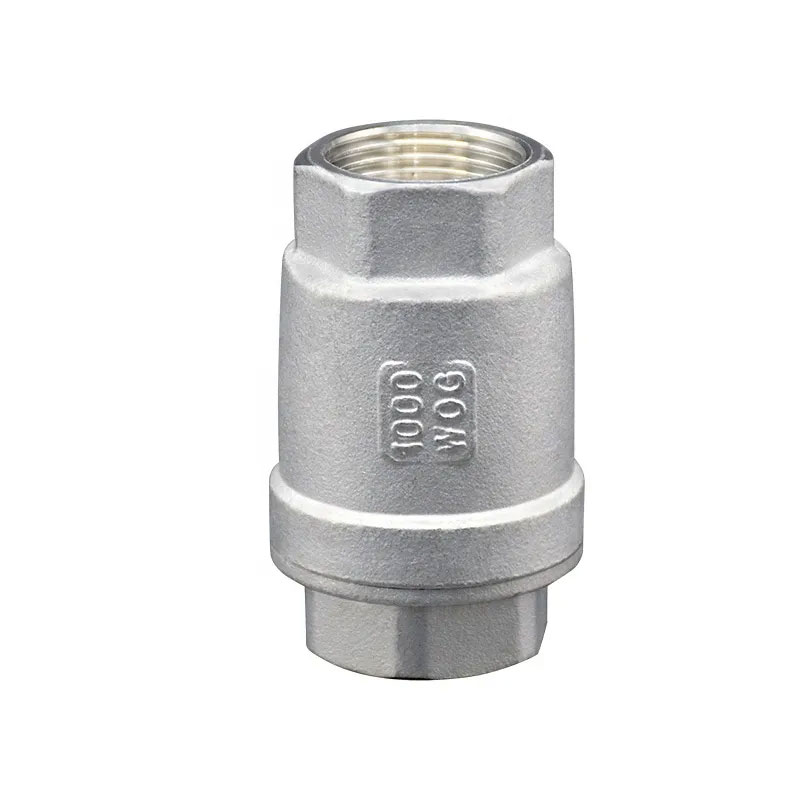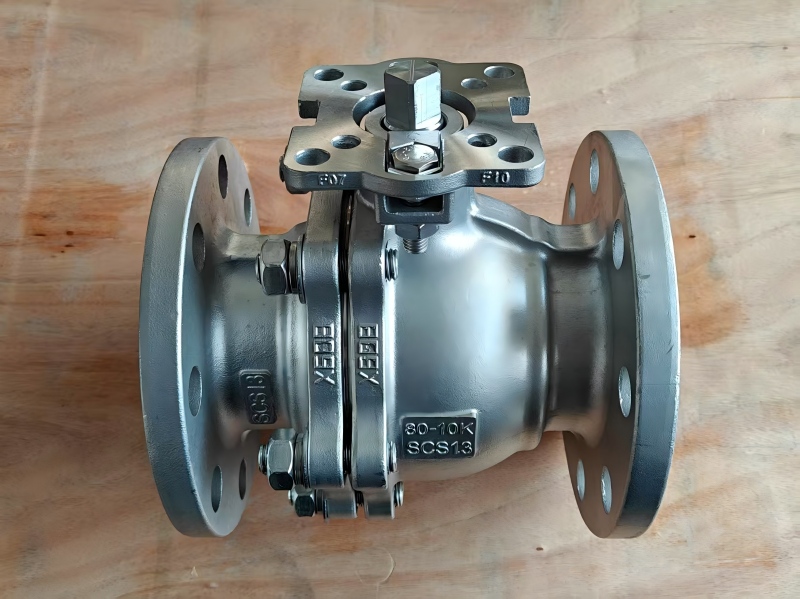
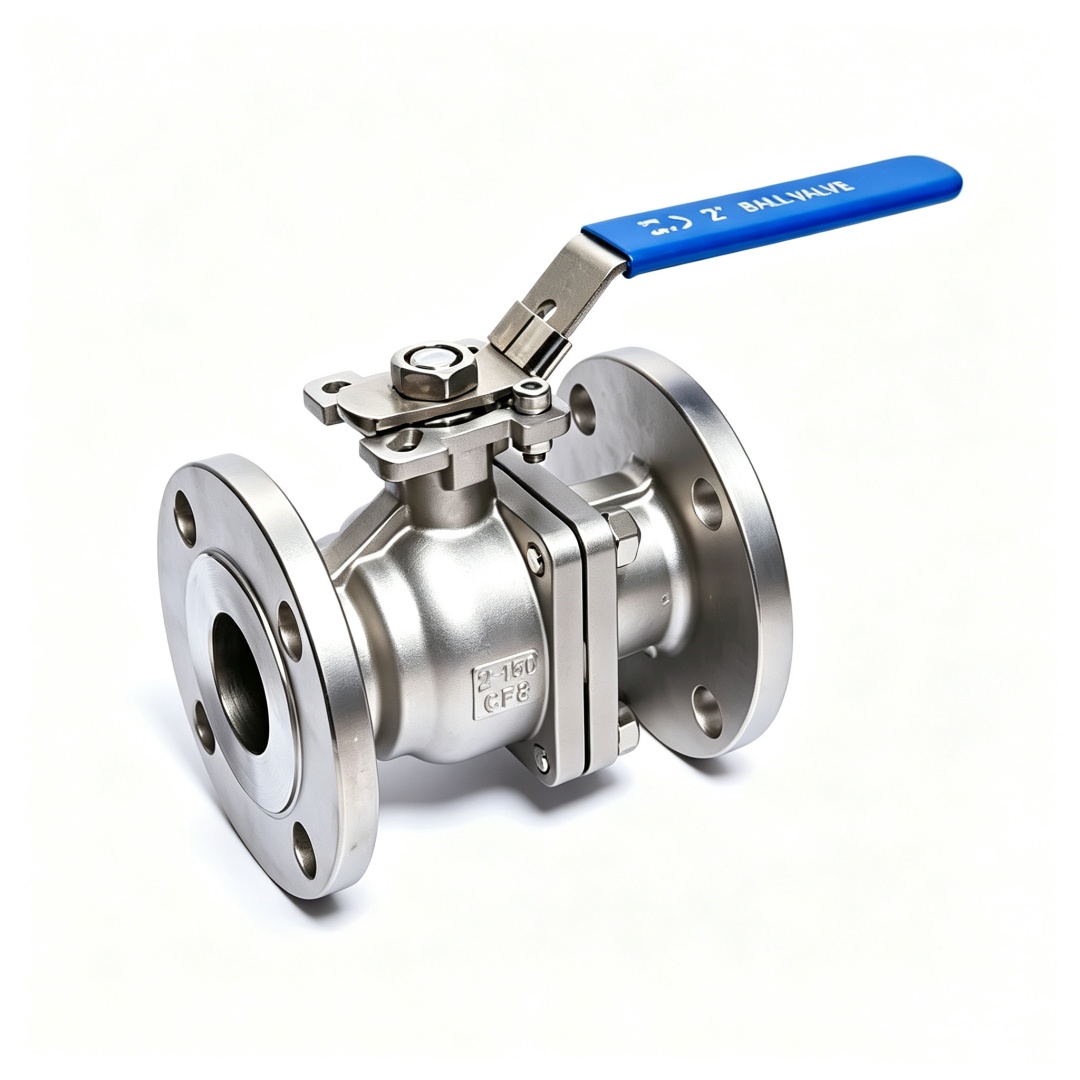
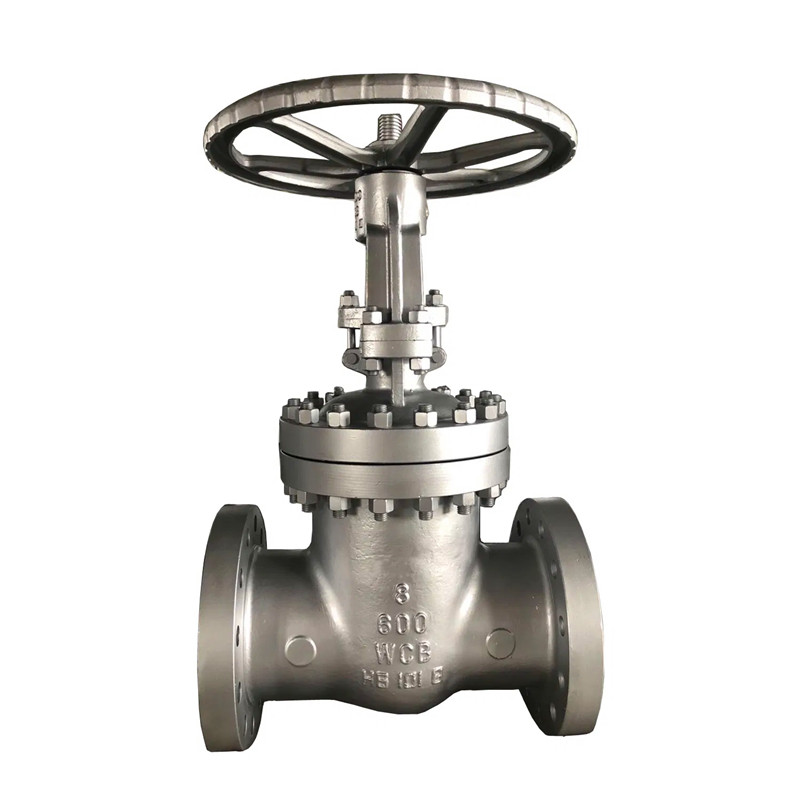
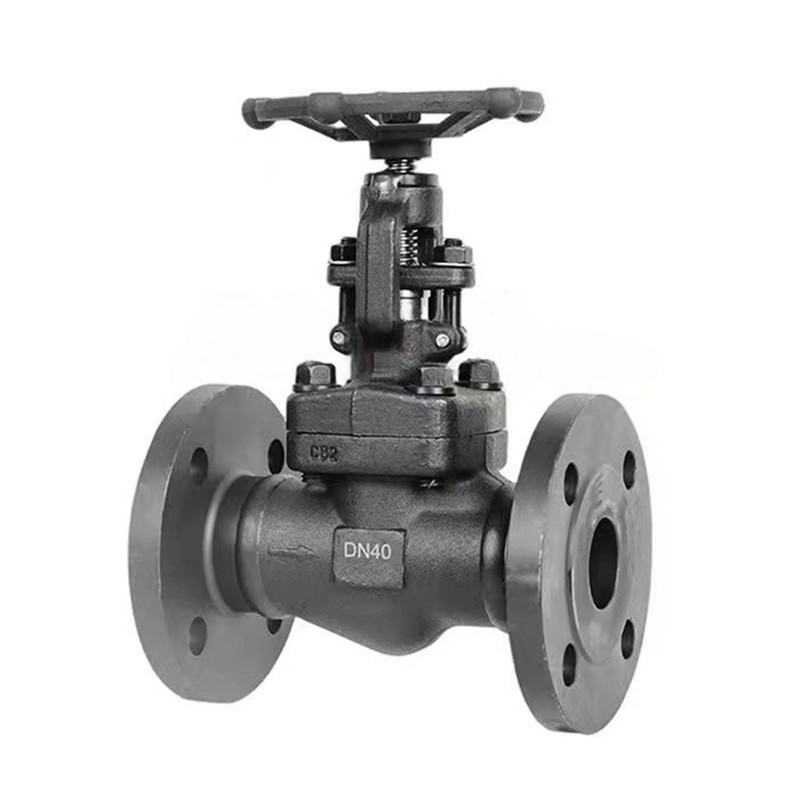
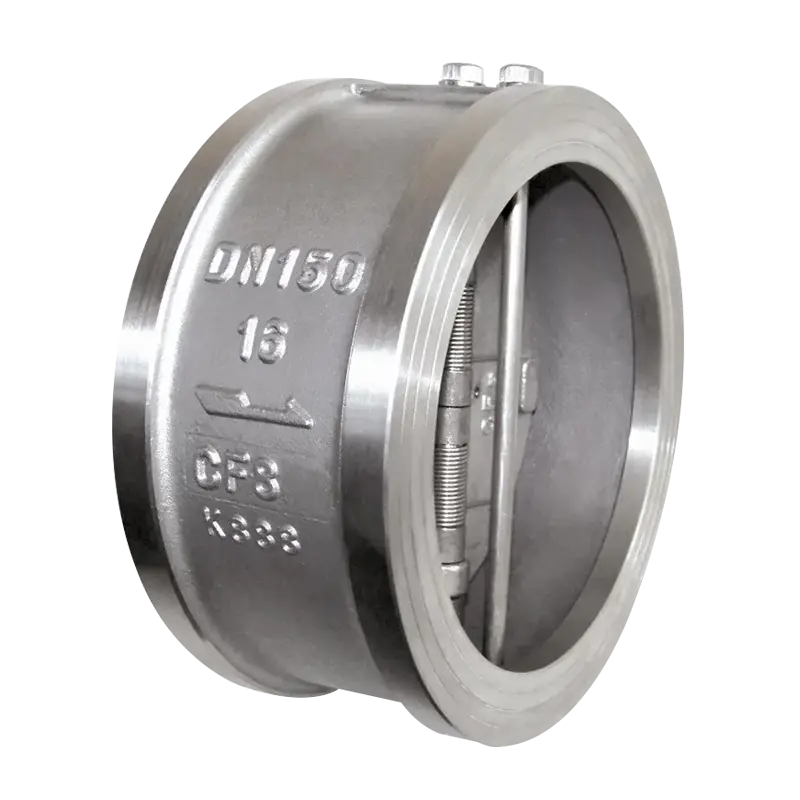
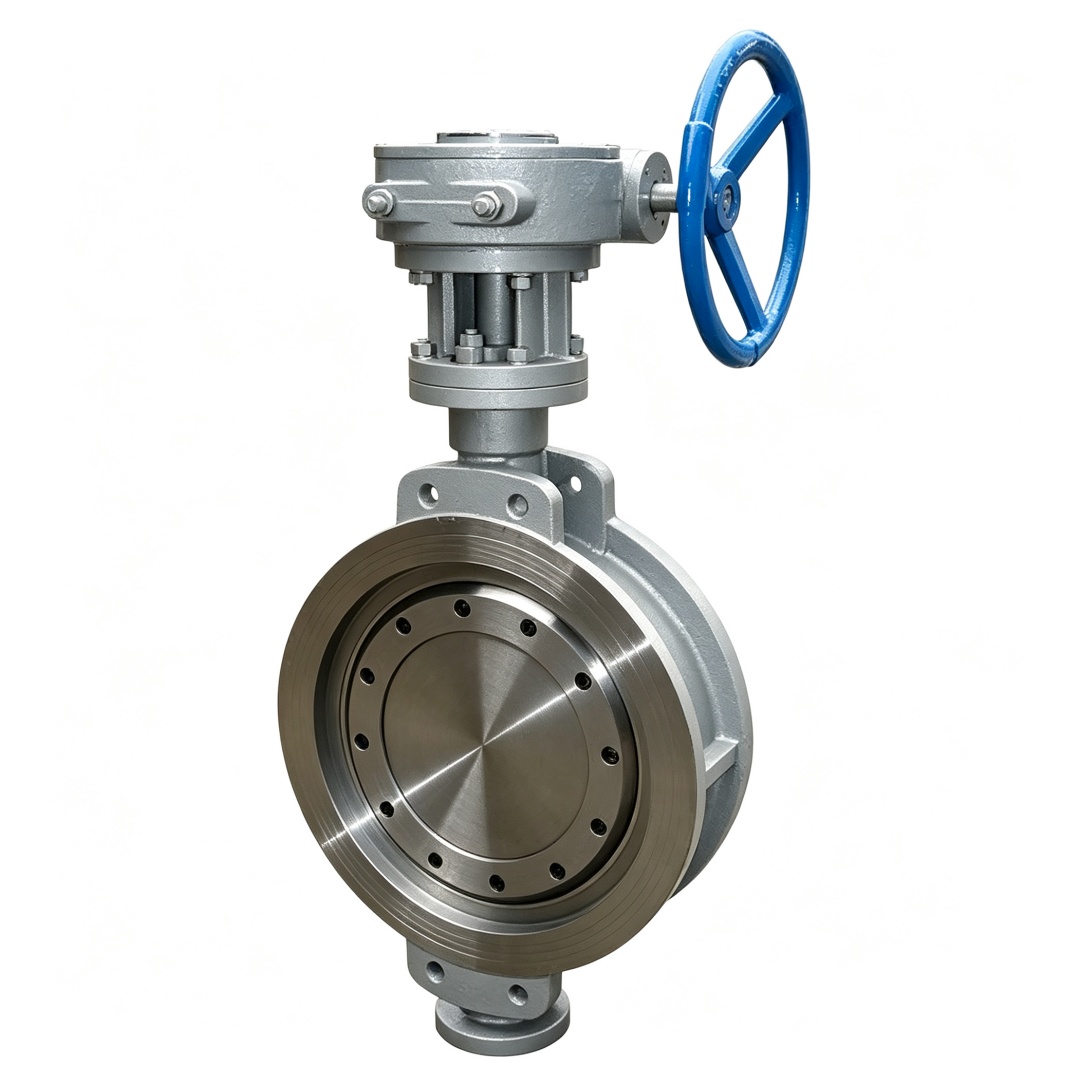
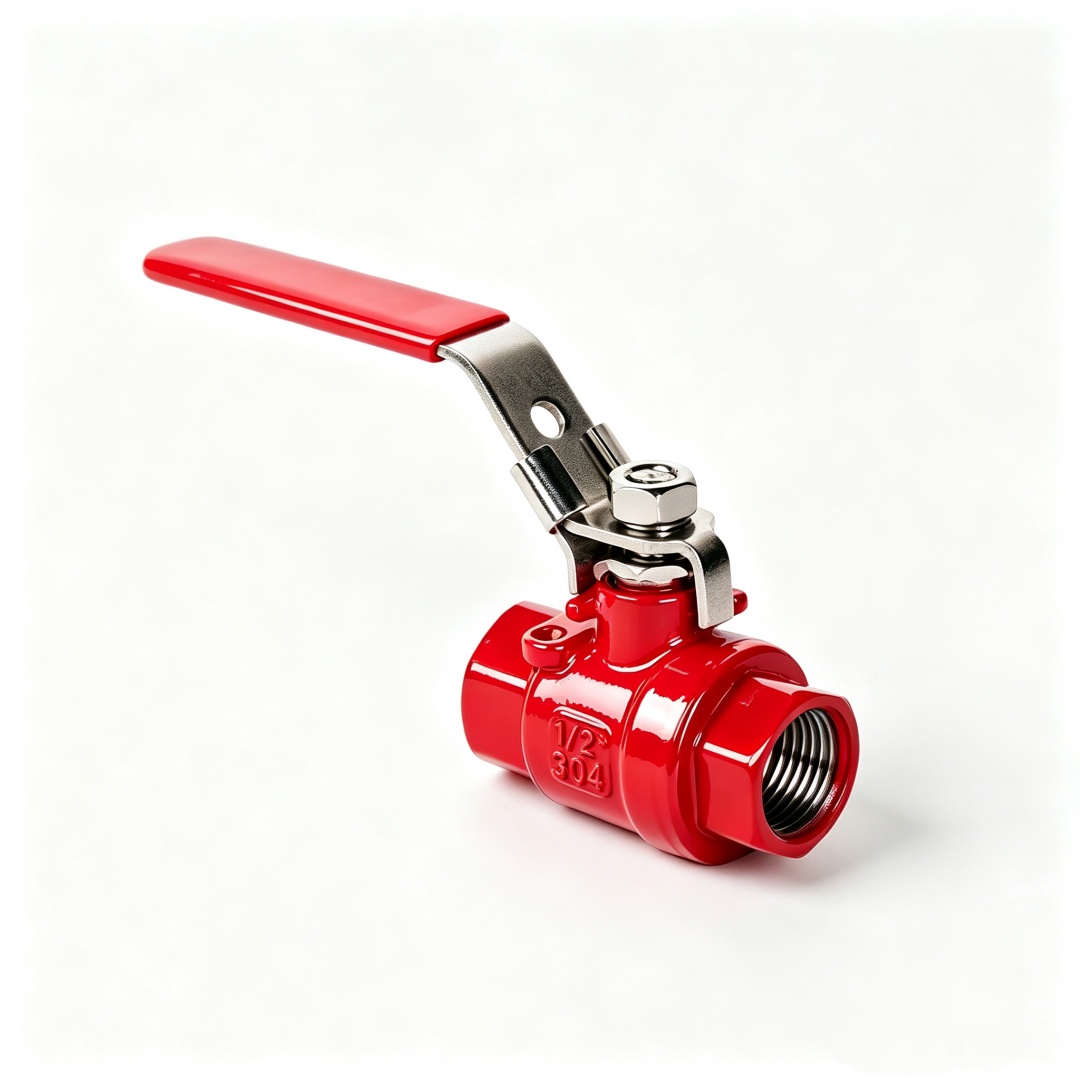

Ball Valves remain one of the most trusted solutions in industrial flow control, supporting reliable shut-off performance, operational stability, and efficient media management across a broad range of industries. As industrial facilities continue to pursue higher standards of safety, productivity, and sustainability, valve manufacturers are investing in advanced engineering, improved materials, and more sophisticated production methods. These developments are not only enhancing product performance but also influencing the direction of the global valve industry.
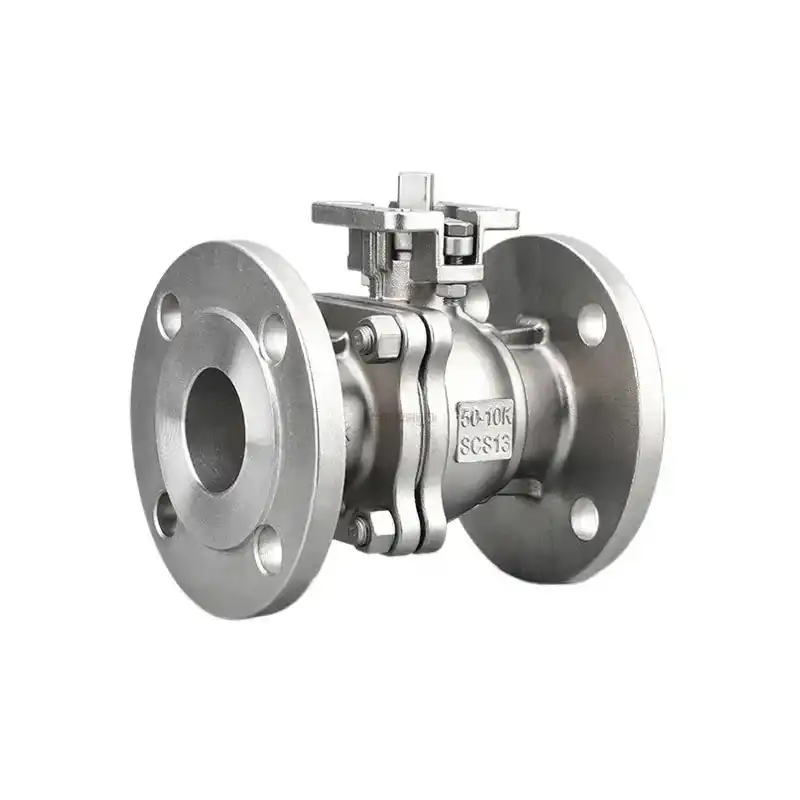
Modern industrial systems depend on accurate and dependable control of liquids, gases, steam, and other process media. Whether operating in chemical processing plants, water treatment facilities, energy projects, food manufacturing environments, or general industrial systems, effective flow management remains essential for maintaining operational continuity.
Reliable valves contribute to system efficiency by reducing leakage risks, minimizing downtime, and supporting stable operating conditions. As industrial processes become increasingly complex, the demand for products capable of performing under challenging conditions continues to grow. Among the various flow control solutions available today, Ball Valves are widely recognized for their dependable shut-off capability, operational simplicity, and adaptability across diverse industrial environments.
Industrial operators are no longer focused solely on basic functionality. Modern facilities expect components to deliver long-term reliability while supporting operational optimization strategies. Equipment is increasingly evaluated based on lifecycle performance rather than only initial installation considerations.
This shift has encouraged manufacturers to focus on advanced sealing technologies, precision machining, and material improvements. Products that can maintain consistent performance while reducing maintenance requirements are becoming increasingly valuable across industrial sectors.
Efficiency remains a critical objective throughout industrial environments. Flow control components play a significant role in reducing energy losses and maintaining process stability. Well-designed products can help optimize fluid movement, support accurate process control, and contribute to overall operational effectiveness.
As environmental regulations continue to evolve, industries are also seeking equipment that supports sustainability initiatives by reducing waste, preventing emissions, and improving resource utilization.
The selection of suitable materials is one of the most important factors influencing valve performance. Industrial environments often expose equipment to corrosive substances, fluctuating temperatures, pressure variations, and demanding operating conditions.
To address these challenges, manufacturers increasingly utilize high-quality stainless steel and other specialized materials that offer strong mechanical properties and excellent corrosion resistance. Material advancements help improve product longevity while reducing maintenance demands.
In addition to corrosion resistance, modern materials are selected for their ability to withstand wear, maintain dimensional stability, and support long-term sealing performance. These characteristics are particularly important in applications where reliability directly affects operational continuity.
Manufacturing technology has undergone significant transformation in recent years. Precision machining systems, automated production equipment, advanced inspection procedures, and digital quality management systems have improved product consistency across the industry.
Modern production environments emphasize accuracy at every stage of the manufacturing process. Components are produced according to strict specifications to ensure reliable assembly and dependable field performance.
Continuous investment in production technology enables manufacturers to achieve higher levels of quality control while improving efficiency throughout the manufacturing cycle.
Quality assurance has become a defining factor within the valve industry. End users increasingly expect products that comply with international standards and demonstrate consistent performance under demanding operating conditions.
Comprehensive inspection procedures, material verification processes, dimensional testing, and performance evaluations help ensure that products meet application requirements before reaching the market.
Companies that prioritize quality management often establish stronger reputations within the industry and build long-term relationships with customers seeking dependable solutions.
Flow control technology supports a wide variety of industrial sectors. Different industries require solutions capable of addressing unique operating conditions while maintaining reliability and safety.
Chemical facilities often involve aggressive media, demanding operating environments, and strict safety requirements. Ball Valves used within these systems must demonstrate strong corrosion resistance and dependable sealing capabilities.
Properly engineered valve solutions contribute to process stability and help facilities maintain operational efficiency while meeting regulatory requirements.
Water treatment infrastructure continues to expand as communities and industries invest in sustainable resource management. Reliable flow control equipment supports water distribution, filtration processes, wastewater treatment, and related applications.
Durability and operational consistency are particularly important in these environments because equipment frequently operates continuously for extended periods.
Energy production and utility systems require equipment capable of performing under varying pressure and temperature conditions. Reliability is essential because operational interruptions can significantly impact overall system performance.
Manufacturers continue to develop solutions designed to support the evolving needs of conventional and emerging energy sectors.
Food manufacturing facilities require equipment that supports hygiene, product integrity, and operational efficiency. Material selection, surface finish quality, and maintenance considerations all influence product suitability within these applications.
Compliance with industry standards remains a critical factor when selecting equipment for sanitary processing environments.
The global valve industry continues to evolve in response to technological advancement, industrial modernization, and changing market expectations. Several important trends are shaping the future development of the sector.
Industrial projects increasingly require solutions tailored to specific operating requirements. Standard products remain important, but customized engineering services are becoming a valuable differentiator for manufacturers.
Customization allows equipment to address unique process conditions while supporting greater operational efficiency and reliability.
Digital technologies are influencing many aspects of industrial operations. Monitoring systems, automation platforms, and intelligent control technologies are becoming increasingly common throughout manufacturing environments.
These developments are encouraging valve manufacturers to explore solutions that support integration with modern industrial systems and data-driven maintenance strategies.
Global industries place significant value on dependable supply chains. Consistent product availability, efficient logistics, and responsive customer support have become important considerations when selecting manufacturing partners.
Companies capable of maintaining stable production capabilities while providing comprehensive technical assistance are often better positioned to meet evolving market demands.
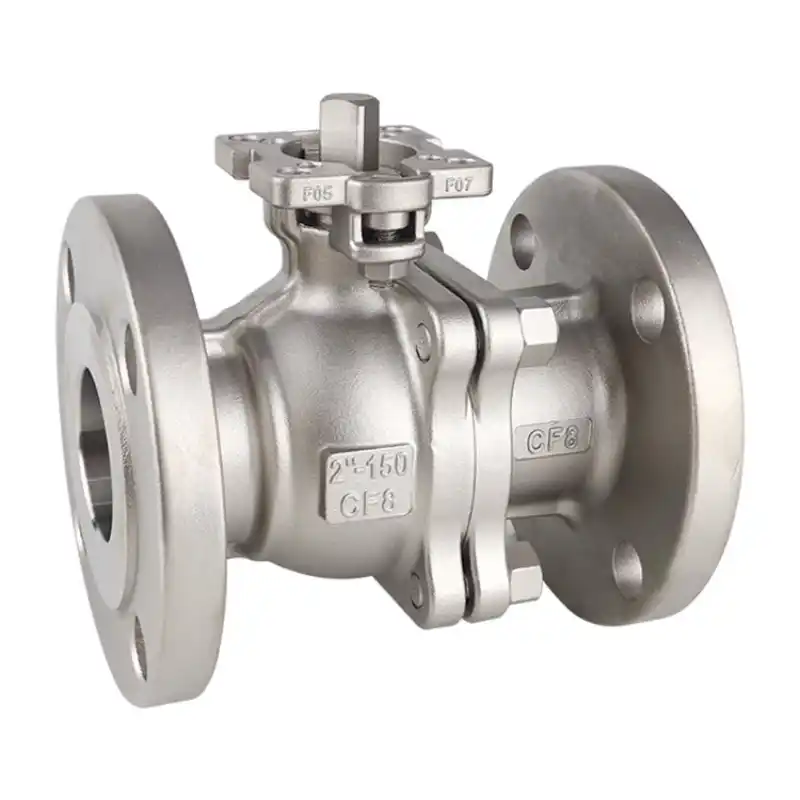
Successful valve solutions result from the combination of engineering expertise, material science, manufacturing precision, and quality management. Each stage of product development contributes to overall performance and long-term reliability.
Engineers continually evaluate flow characteristics, sealing efficiency, structural integrity, and operational requirements to develop products capable of meeting industry expectations.
As industrial requirements become more sophisticated, the importance of comprehensive engineering support continues to increase. Manufacturers that invest in technical expertise are better equipped to deliver solutions aligned with modern operational challenges.
Throughout many industrial applications, ball valves continue to demonstrate their value by combining efficient operation, dependable sealing performance, and versatile installation capabilities. Their widespread adoption reflects the industry's confidence in proven flow control technologies that support long-term operational objectives.
| Industry Sector | Primary Requirement | Key Focus | Operational Priority |
|---|---|---|---|
| Chemical Processing | Corrosion Resistance | Safety | Reliability |
| Water Treatment | Durability | Efficiency | Continuous Operation |
| Energy Systems | Performance Stability | Pressure Management | Operational Security |
| Food Processing | Hygiene Standards | Product Integrity | Process Consistency |
| General Industry | Versatility | Maintenance Reduction | Cost Efficiency |
The future of industrial flow control will be shaped by continued innovation, higher quality standards, and increasing demand for customized engineering solutions. Manufacturers that combine technical expertise with advanced production capabilities will play a significant role in supporting industrial development across global markets.
Emerging technologies, improved materials, and enhanced manufacturing processes are expected to further strengthen industry performance. Organizations that prioritize innovation while maintaining dependable product quality will continue to earn the trust of customers operating in demanding environments.
As industries pursue greater efficiency, sustainability, and operational reliability, Ball Valves will remain an essential component within modern flow control systems. Their ability to support diverse applications while delivering dependable performance ensures their ongoing importance across a wide range of industrial sectors. As a manufacturer committed to continuous innovation and quality-driven development, Wenzhou Joepai Valve Co., Ltd. continues to enhance its engineering capabilities and product portfolio, supporting customers worldwide with reliable valve solutions tailored to modern industrial requirements.