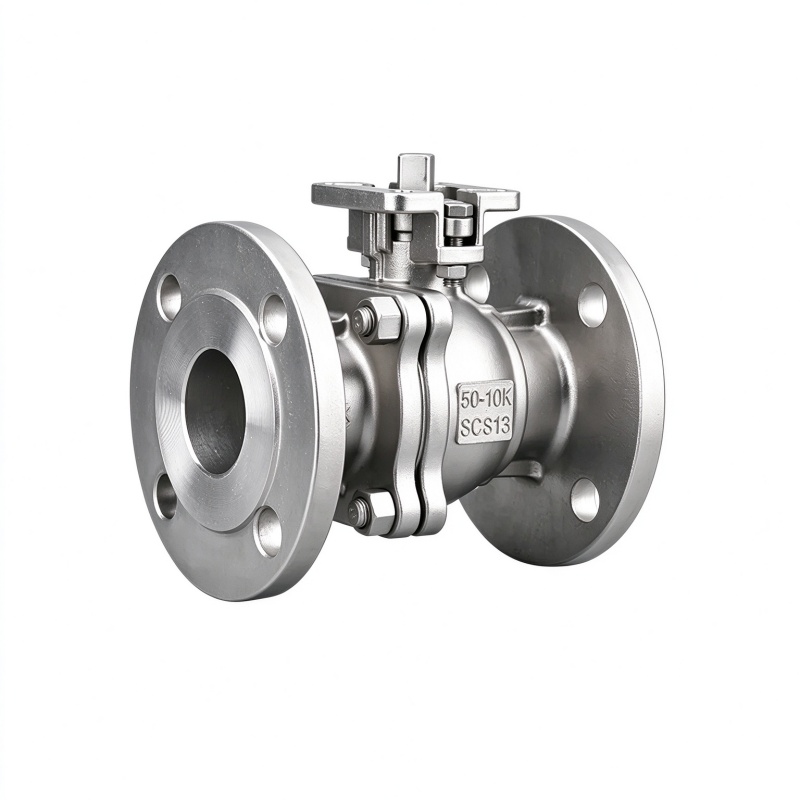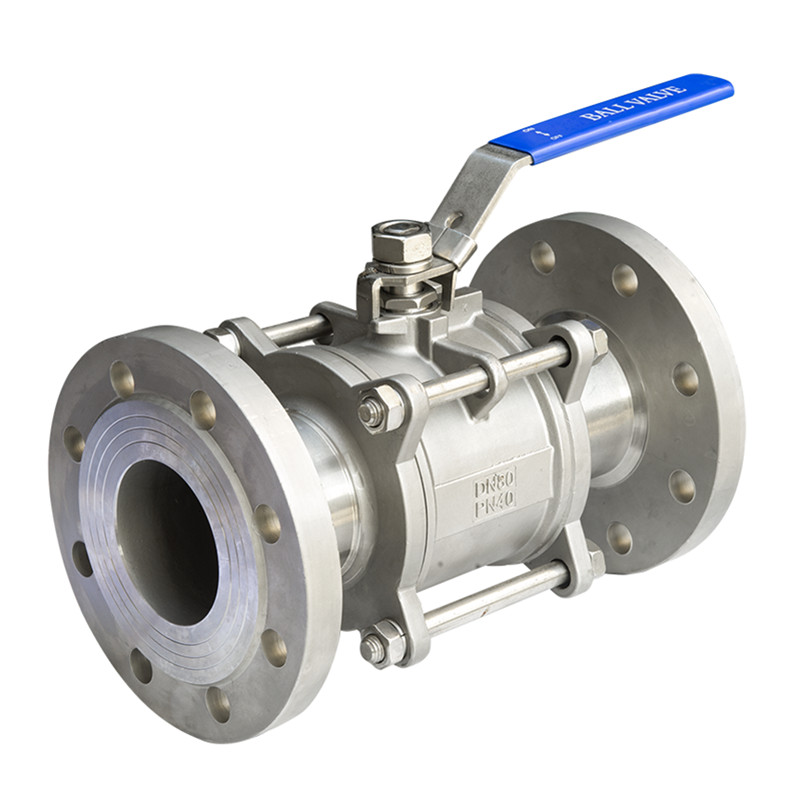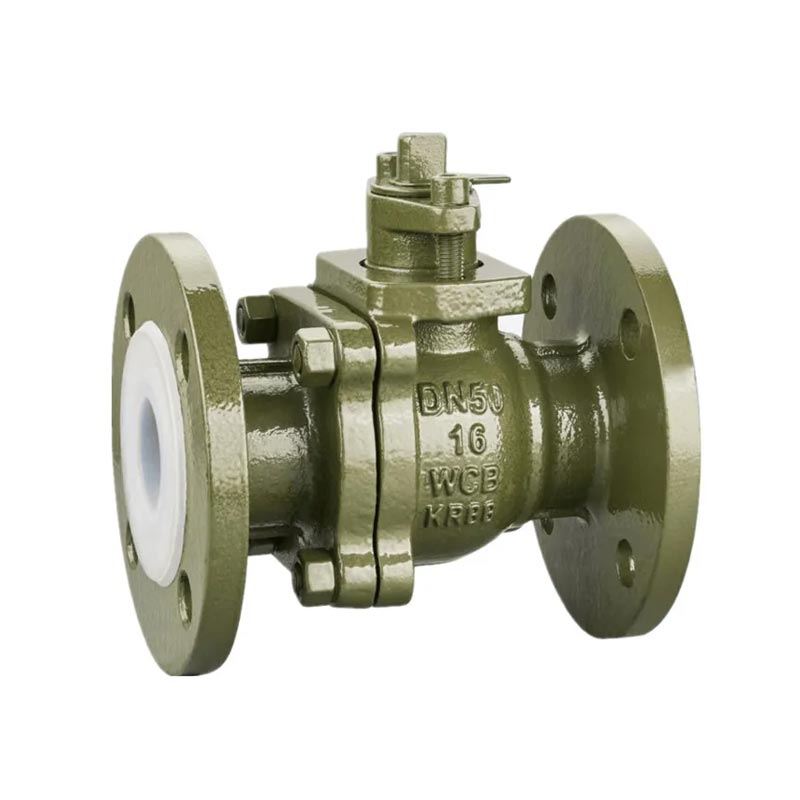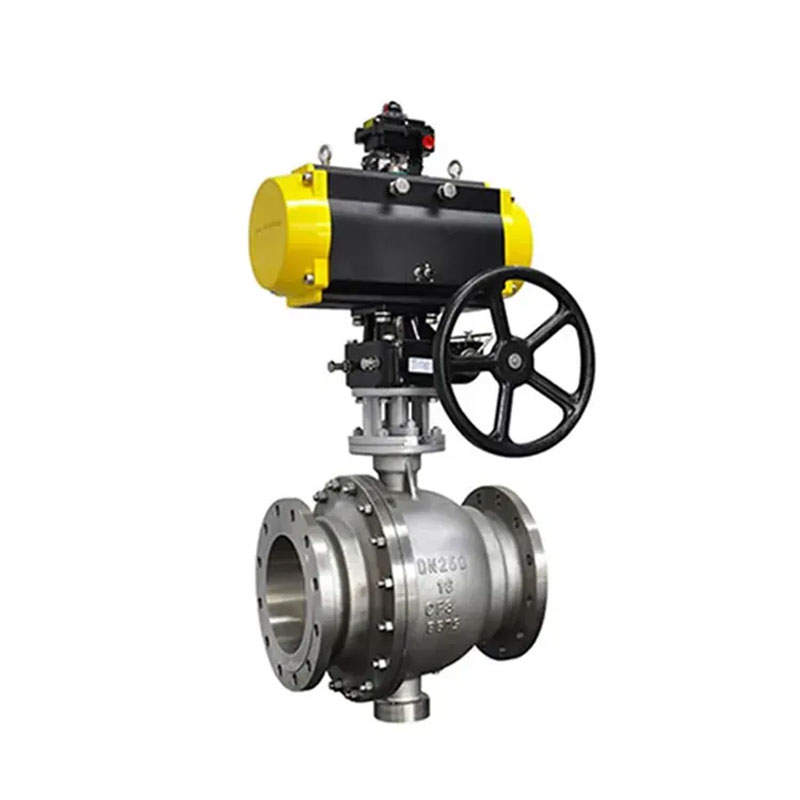
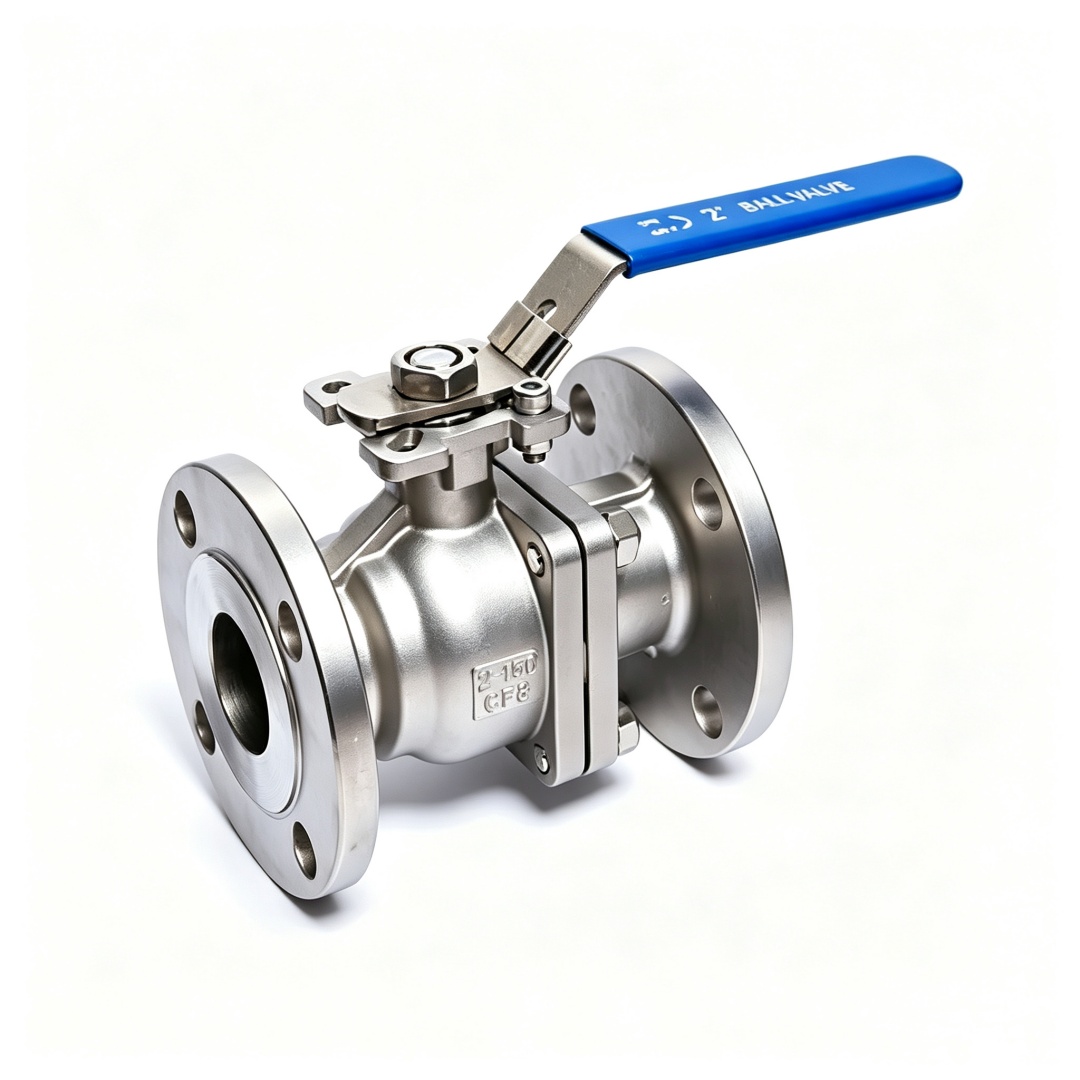
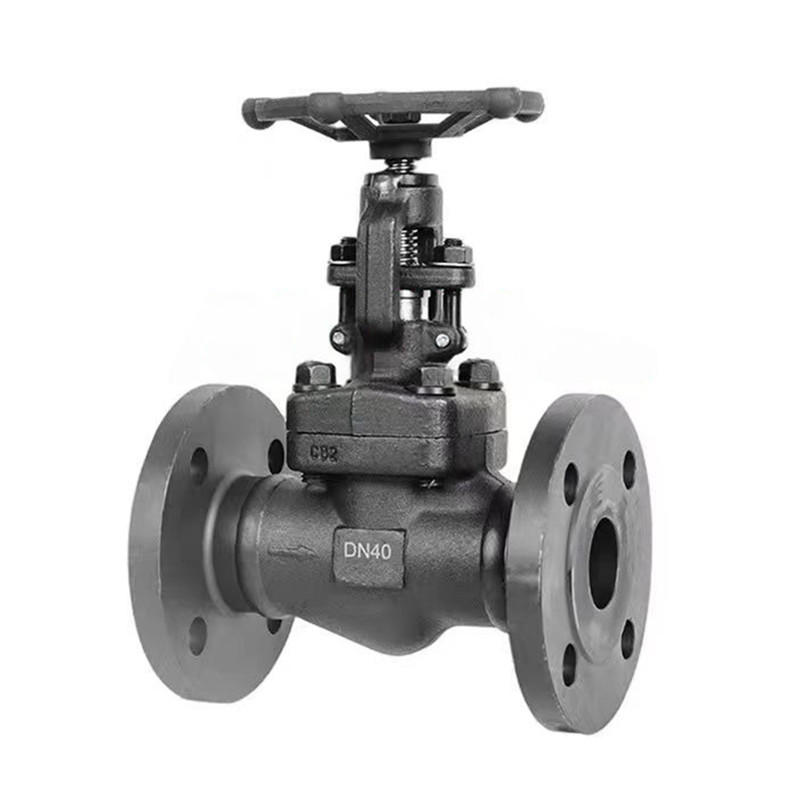
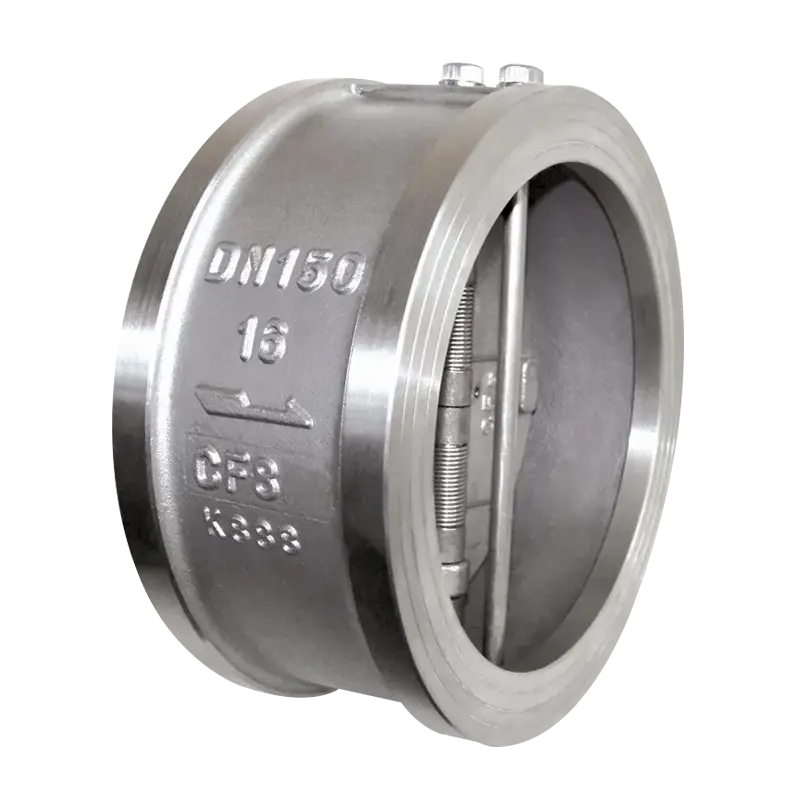
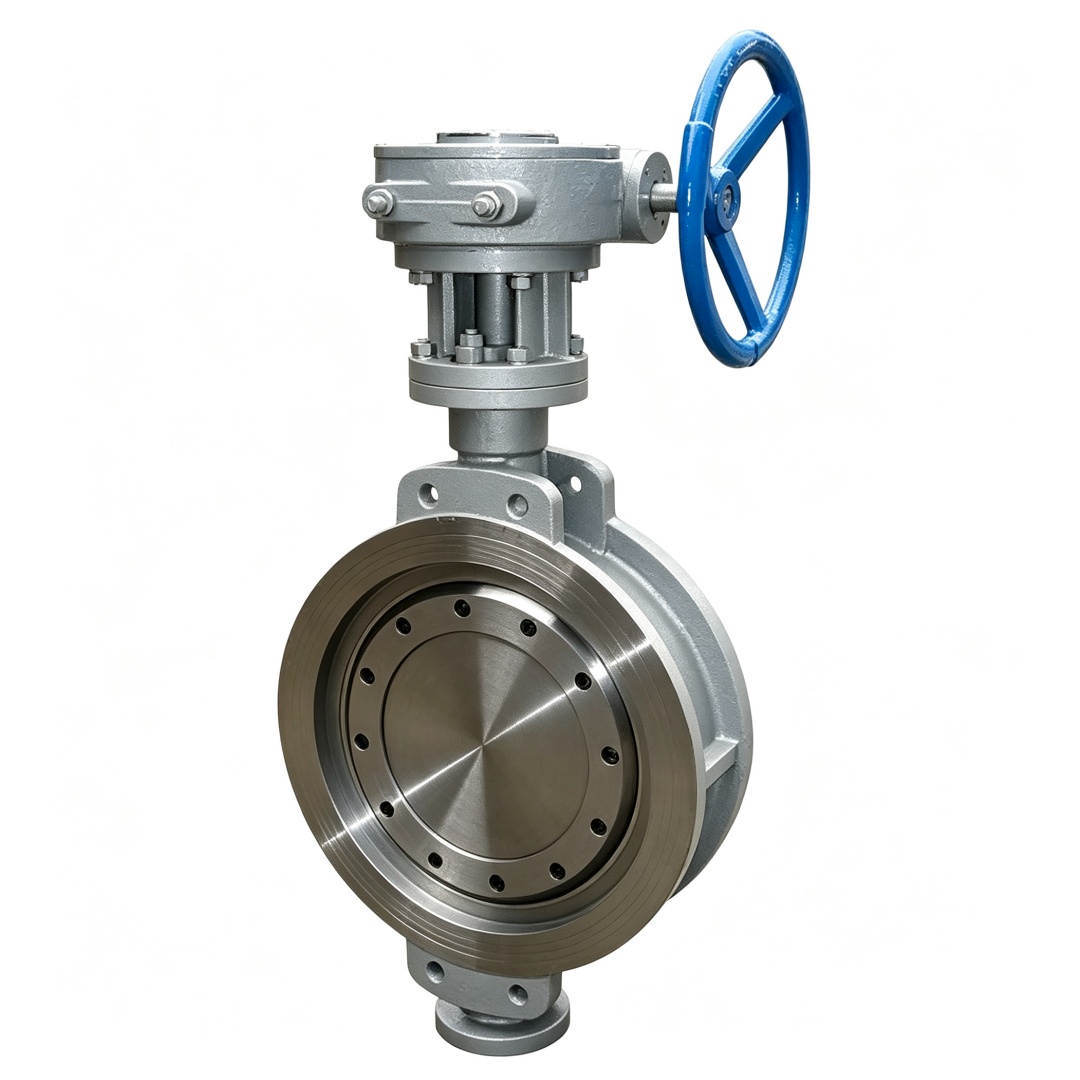
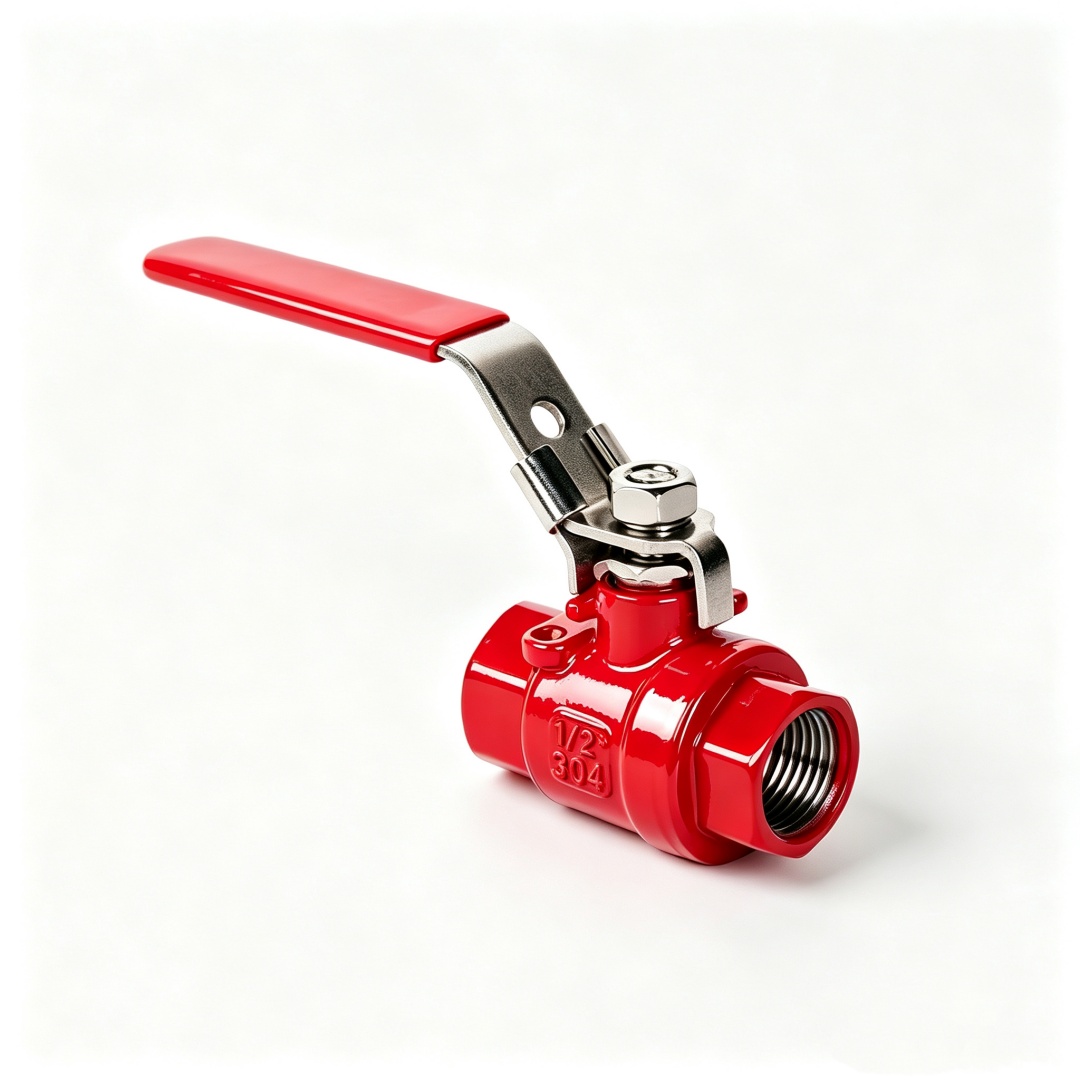


Wenzhou Joepai Valve Co., Ltd. is a supplier integrating design, R&D, manufacturing and sales. The 3PC Flanged Ball Valve with Pneumatic Actuator PN40 produced is produced in accordance with international standards API, ANSI, JIS, ISO, DIN, GOST, BS and domestic standards JB, GB.
The company also has CAD valve design, UG three-dimensional modeling and quality inspection and testing centers. Powerful production equipment and perfect testing methods can effectively improve product quality and effectively protect the interests of customers.
Welcome domestic and foreign customers to cooperate sincerely and create brilliance together!
The three piece flange ball valve structure allows for direct online inspection and maintenance of valves installed on pipelines, effectively reducing device downtime and lowering costs.
The wedge-shaped sealing structure of the three piece ball valve relies on the mechanical force provided by the valve stem to press the ball wedge onto the valve seat for sealing, ensuring that the sealing performance of the valve is not affected by changes in pipeline pressure difference, and reliable sealing performance is guaranteed under various working conditions.
The single seat design of this series of ball valves eliminates the problem of abnormal pressure rise affecting the use of the medium in the valve chamber.
The three piece American standard ball valve features a low torque design and a structurally designed stem that can be easily opened and closed with just a small handle; The frictionless opening and closing function solves the problem of traditional valves affecting sealing due to mutual friction between sealing surfaces.

| PRESSURE | PN40 |
| FACE-TO-FACE DIMENSIONS | GB/T12221-1989 |
| FLANGE END DIMENSIONS | GB/9113 |
| DESIGN | GB/T12237-1989 |
| TEST | GB/T13927-1992 |
| MATERIAL STANDARD | S45C/ASTM A216 GR-WCB/DIN1.00619 |
| SS316/ASTM A351 GR-CF8M/DIN1.4408 | |
| SS304/ASTM A351 GR-CF8/DIN1.4308 |
| 1 | Hex Nut | SS304/SS | 9 | Thrust Washer | PTFE |
| 2 | Bolt | SS304/SS | 10 | Packing | PTFE |
| 3 | Bolt Washer | SS304/SS | 11 | Gland | SS304/SS |
| 4 | Body | WCB/CF8M/CF8 | 12 | Handle | SS304/SS |
| 5 | Cap | WCB/CF8M/CF8 | 13 | Spring Washer | SS304/SS |
| 6 | Seat | PTFE | 14 | Stem Nut | SS304/SS |
| 7 | Ball | SS316/SS304/SS | 15 | Plastic Cover | Plastic |
| 8 | Stem | SS316/SS304/SS |
| NPS | DN | d | D | D1 | D2 | T | f | L | W | H | Z-d |
| 1/2" | 15 | 15 | 45 | 65 | 95 | 16 | 2 | 130 | 125 | 75 | 4-14 |
| 3/4" | 20 | 20 | 58 | 75 | 105 | 16 | 2 | 150 | 125 | 85 | 4-14 |
| 1" | 25 | 25 | 68 | 85 | 115 | 16 | 2 | 160 | 125 | 95 | 4-14 |
| 11/4" | 32 | 32 | 78 | 100 | 140 | 18 | 2 | 180 | 135 | 100 | 4-18 |
| 11/2" | 40 | 38 | 88 | 110 | 145 | 18 | 3 | 193.5 | 165 | 100 | 4-18 |
| 2" | 50 | 50 | 102 | 125 | 160 | 18 | 3 | 225 | 170 | 135 | 4-18 |
| 21/2" | 65 | 65 | 122 | 145 | 185 | 20 | 3 | 290 | 170 | 135 | 4-18 |
| 3" | 80 | 76 | 138 | 160 | 200 | 20 | 3 | 310 | 240 | 135 | 8-18 |
| 4" | 100 | 100 | 158 | 180 | 220 | 20 | 3 | 350 | 245 | 140 | 8-18 |

Address
Building 2, No. 4228, Binhai 3rd Road, Xinghai Street, Longwan District, Wenzhou City, Zhejiang Province, China
Tel