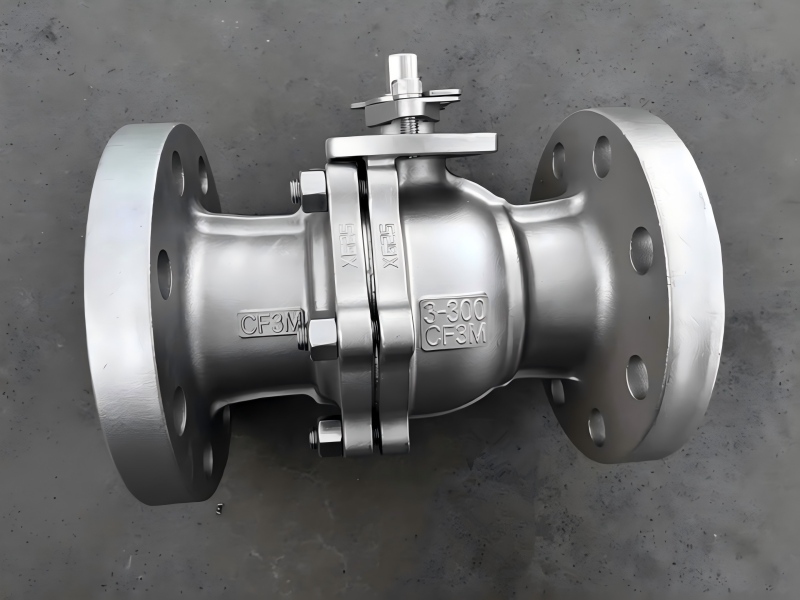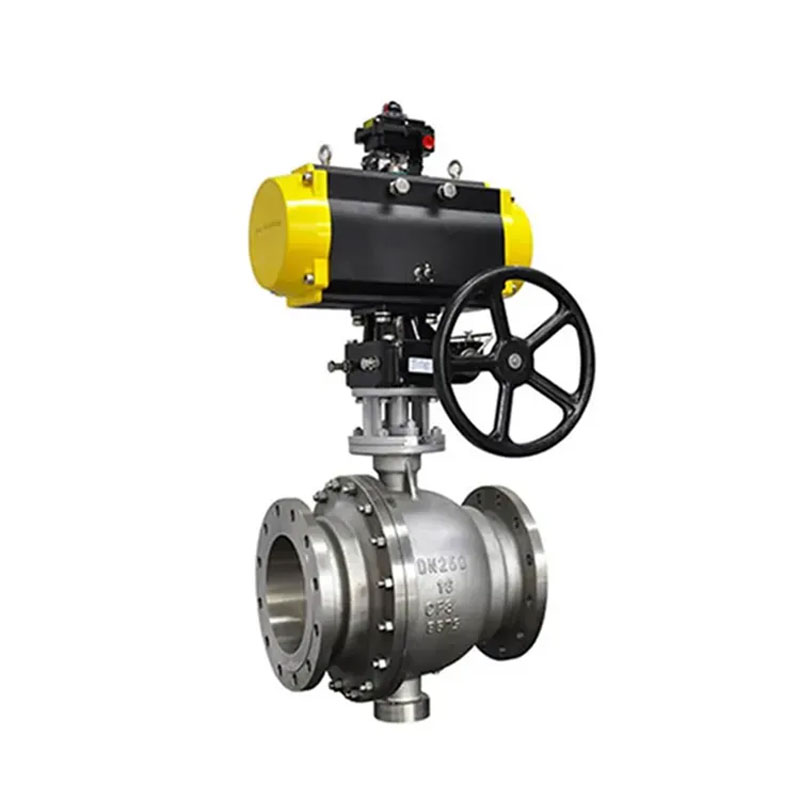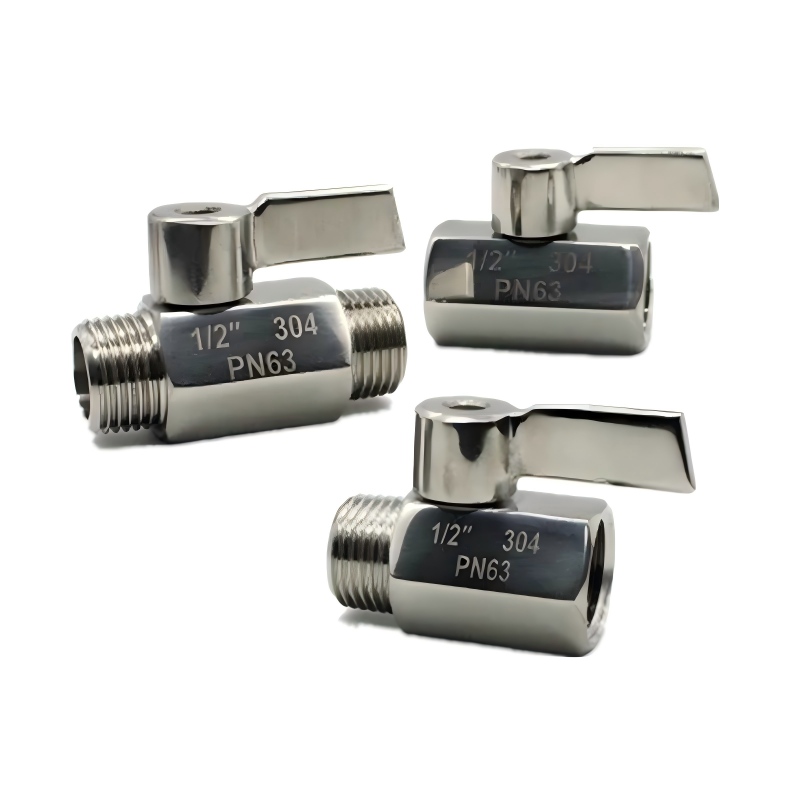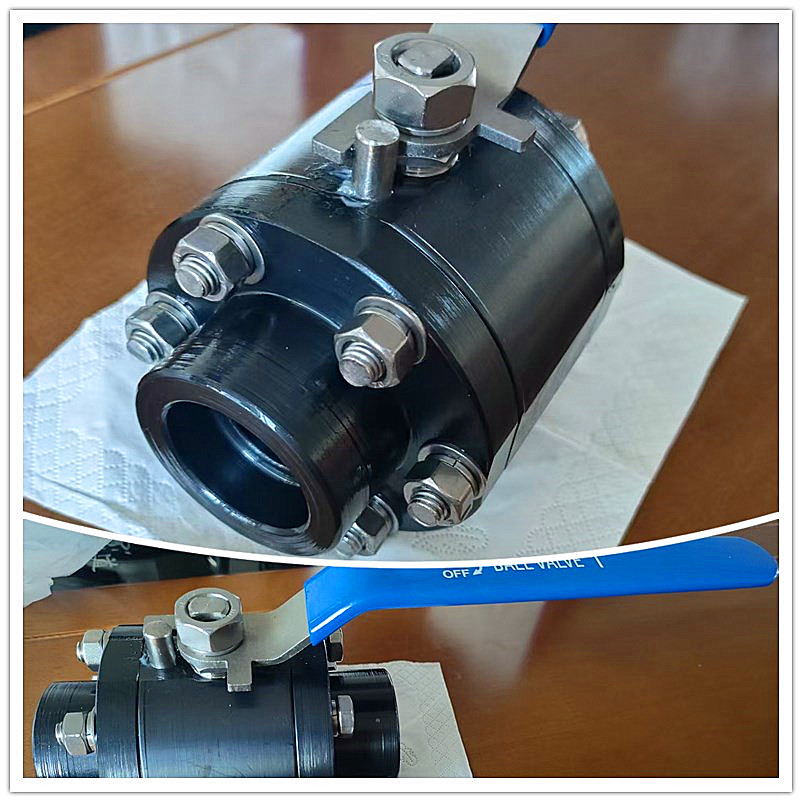
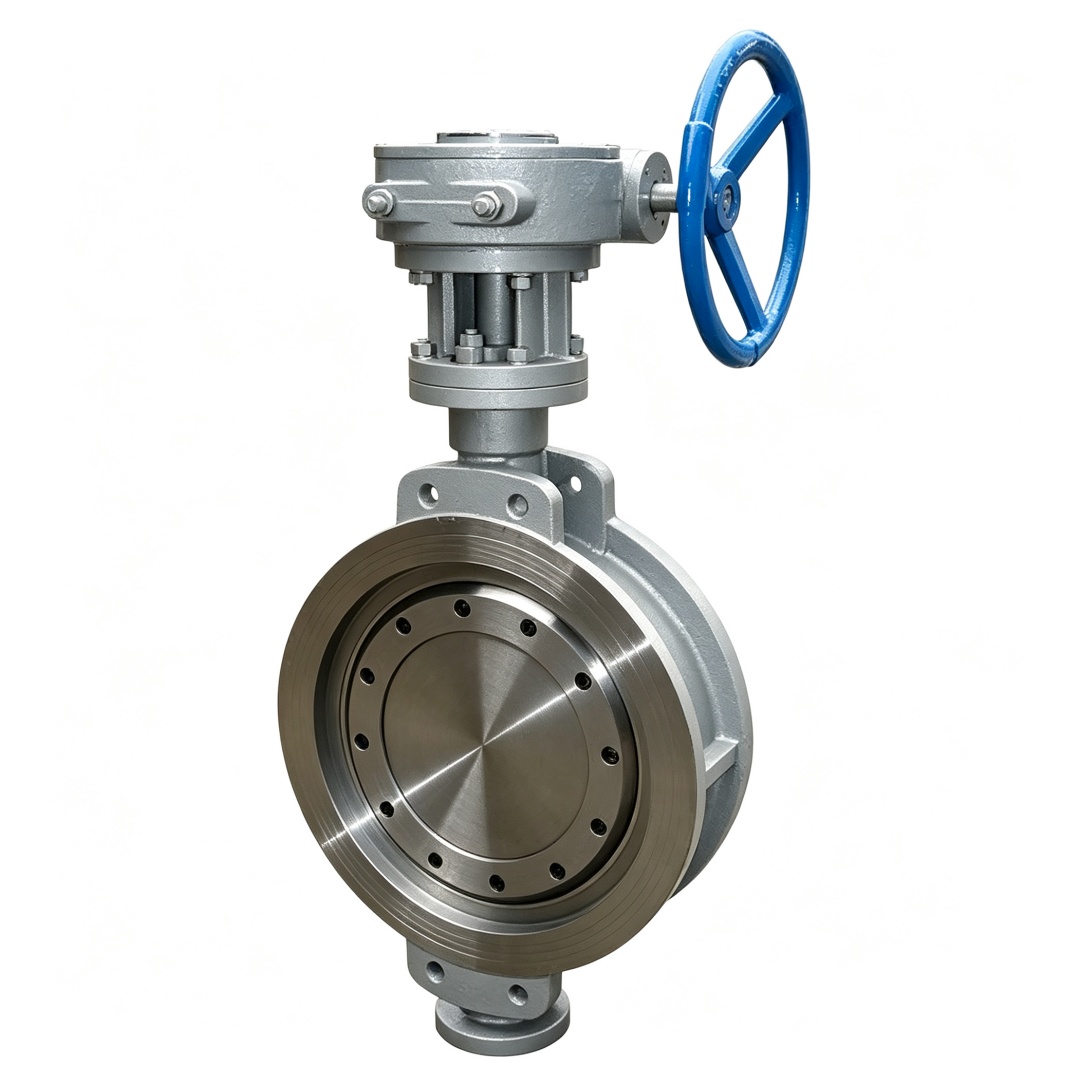
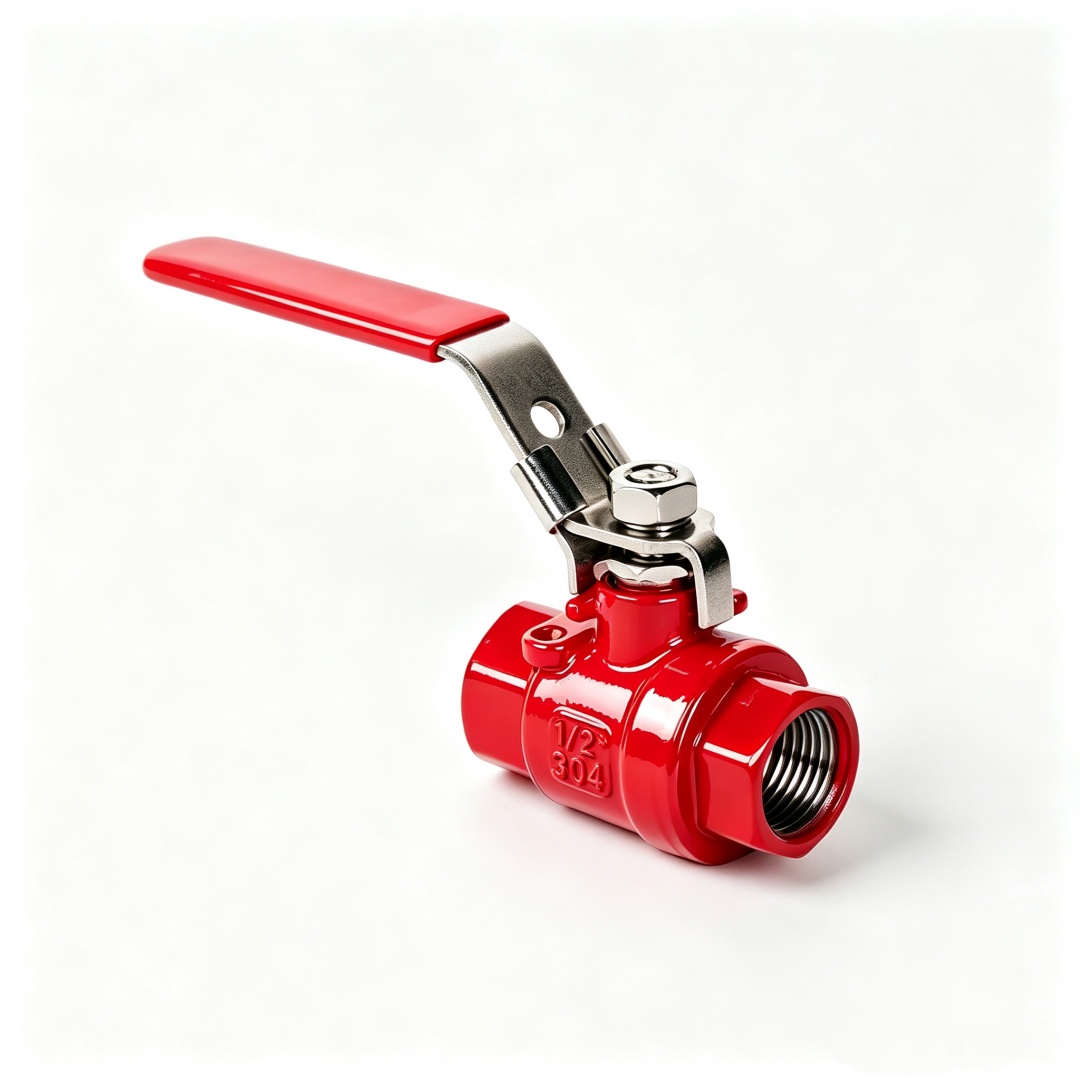

The API 6D three pieces fixed flange ball valve is a critical component for pipeline systems in oil, gas, and chemical industries. This article explores its features, benefits, applications, and maintenance to help engineers and procurement specialists make informed decisions. With insights from Wenzhou Joepai Valve Co., Ltd., you will understand why this valve is often the preferred choice in high-pressure and high-temperature environments.
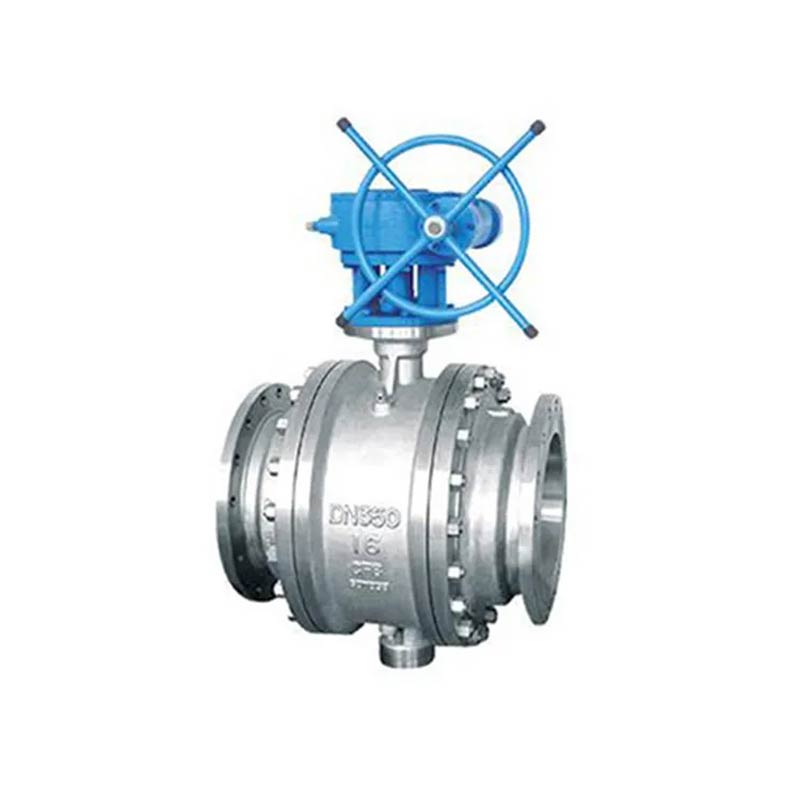
Table of Contents
- What is an API 6D Three Pieces Fixed Flange Ball Valve?
- Why is the Three Pieces Design Advantageous?
- What Are the Key Features and Specifications?
- How Does It Compare to Other Valve Types?
- Where Are These Valves Commonly Used?
- How to Maintain an API 6D Ball Valve?
- What Are the Common Installation Challenges?
- Frequently Asked Questions
1. What is an API 6D Three Pieces Fixed Flange Ball Valve?
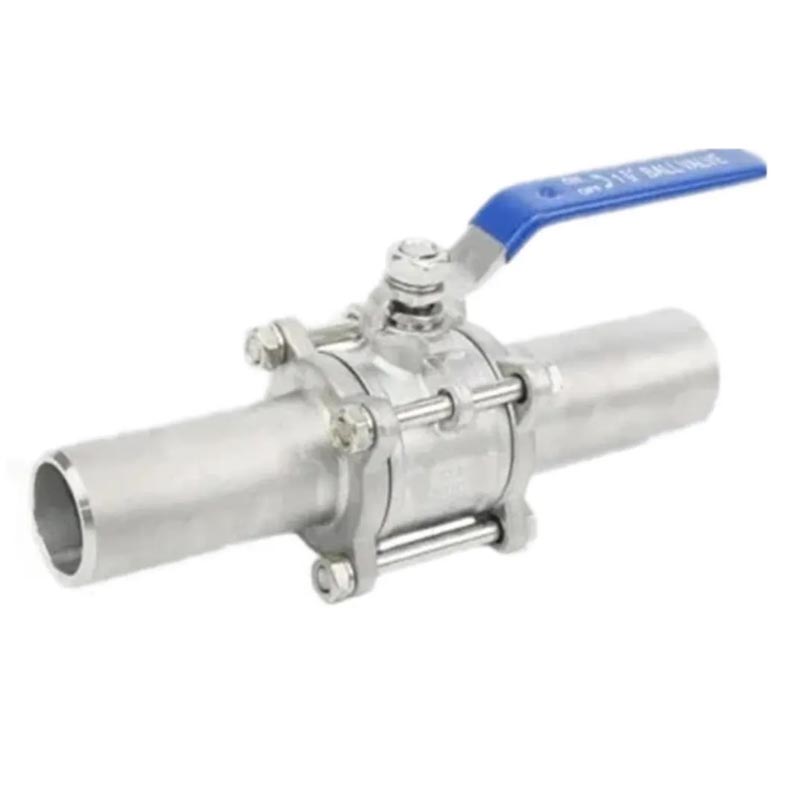
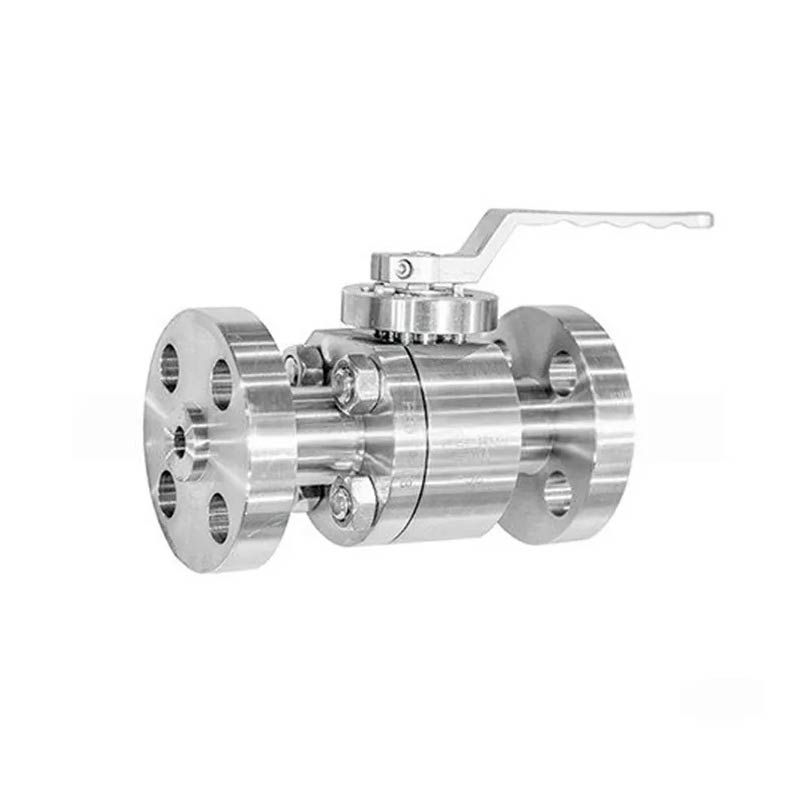
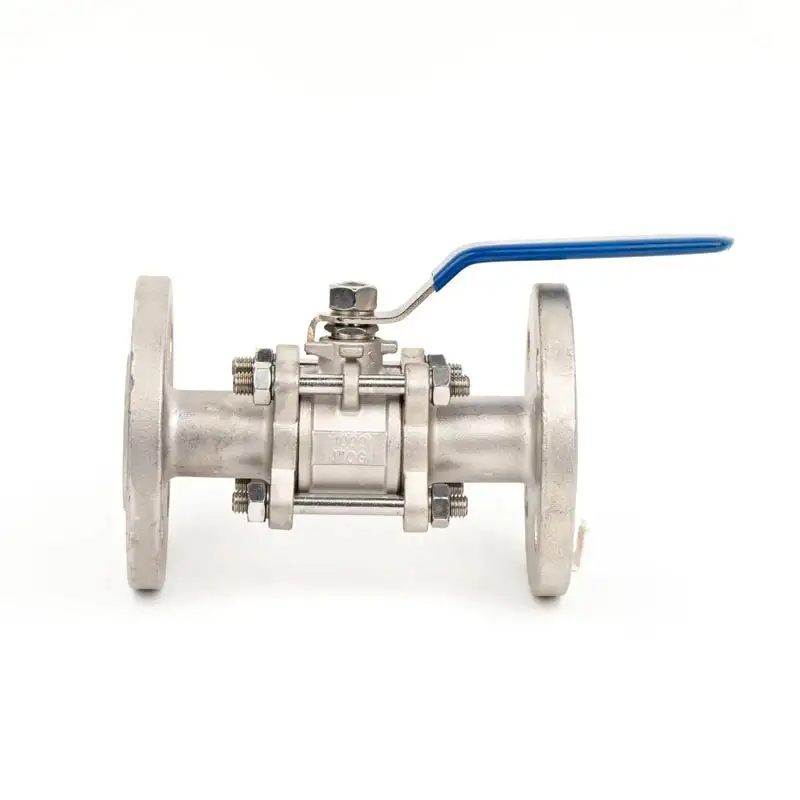
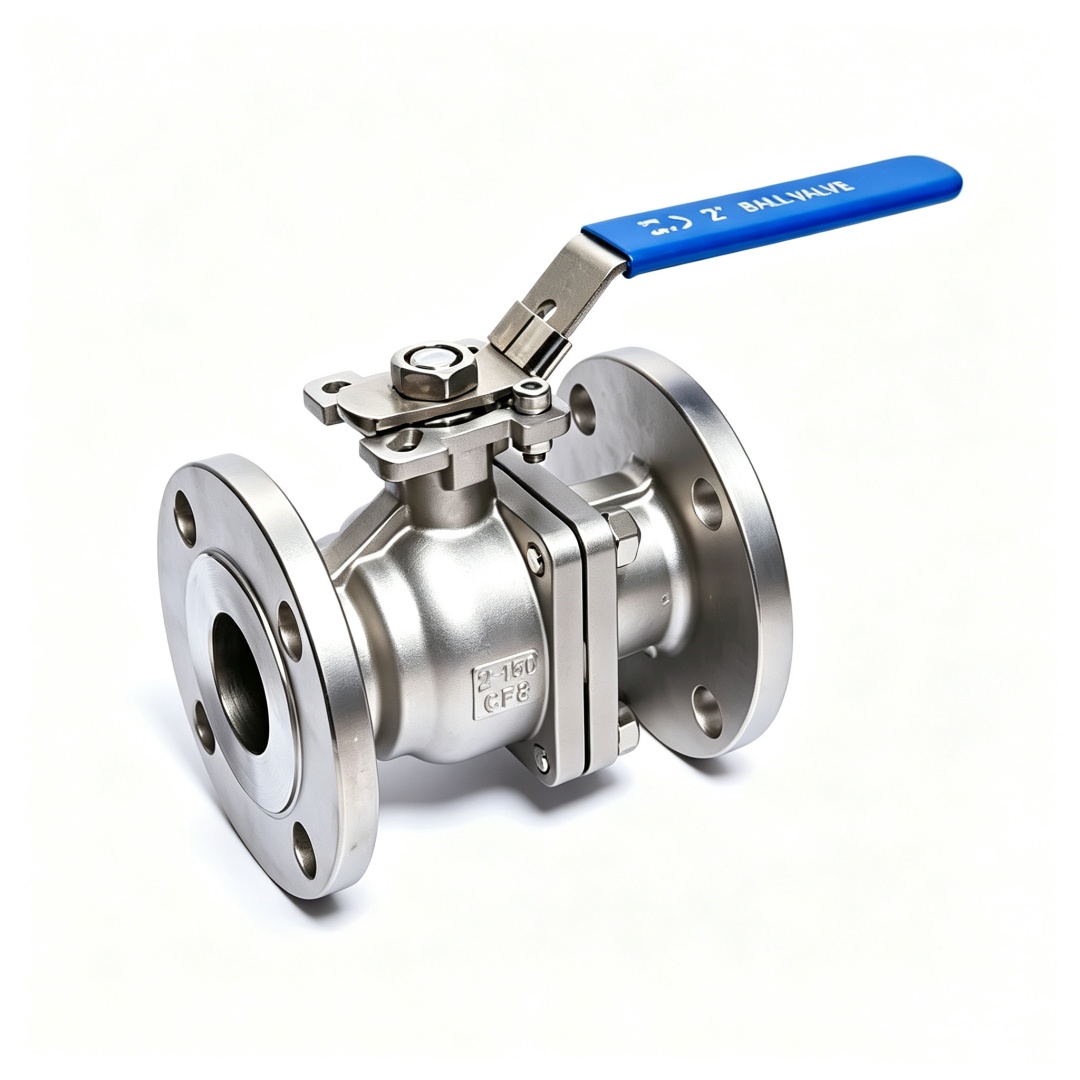
The API 6D standard is widely recognized in pipeline engineering for regulating and controlling the flow of liquids and gases. A three pieces fixed flange ball valve consists of three main sections: the body, the bonnet, and the end caps. These pieces are bolted together, which allows for easy maintenance, cleaning, or replacement without removing the entire valve from the pipeline.
Wenzhou Joepai Valve Co., Ltd. specializes in manufacturing high-quality API 6D ball valves with precise machining and premium materials, ensuring durability and performance even under extreme conditions.
2. Why is the Three Pieces Design Advantageous?
- Ease of Maintenance: The three-piece structure allows technicians to disassemble the valve for inspection or repair without disconnecting the flanges from the pipeline.
- Reduced Downtime: Quick maintenance minimizes operational interruptions in critical systems.
- Versatility: The design supports both high-pressure and high-temperature environments.
- Cost Efficiency: Only damaged sections need replacement rather than the entire valve.
3. What Are the Key Features and Specifications?
API 6D three pieces fixed flange ball valves are known for their robust performance. Key specifications include:
| Feature | Description |
|---|---|
| Material | Stainless steel, carbon steel, alloy steel |
| Size Range | 2" to 48" (50mm to 1200mm) |
| Pressure Rating | Class 150 to Class 2500 |
| End Connection | Fixed Flange (RF/RTJ) |
| Temperature Range | -46°C to 425°C (-50°F to 797°F) |
| Seal Type | PTFE, PEEK, Metal-to-Metal |
Additionally, Wenzhou Joepai Valve Co., Ltd. ensures all valves meet API 6D testing standards, including shell and seat tests, ensuring leak-proof performance.
4. How Does It Compare to Other Valve Types?
When choosing valves for pipeline systems, understanding the difference between ball valves and alternatives is crucial:
| Valve Type | Advantages | Limitations |
|---|---|---|
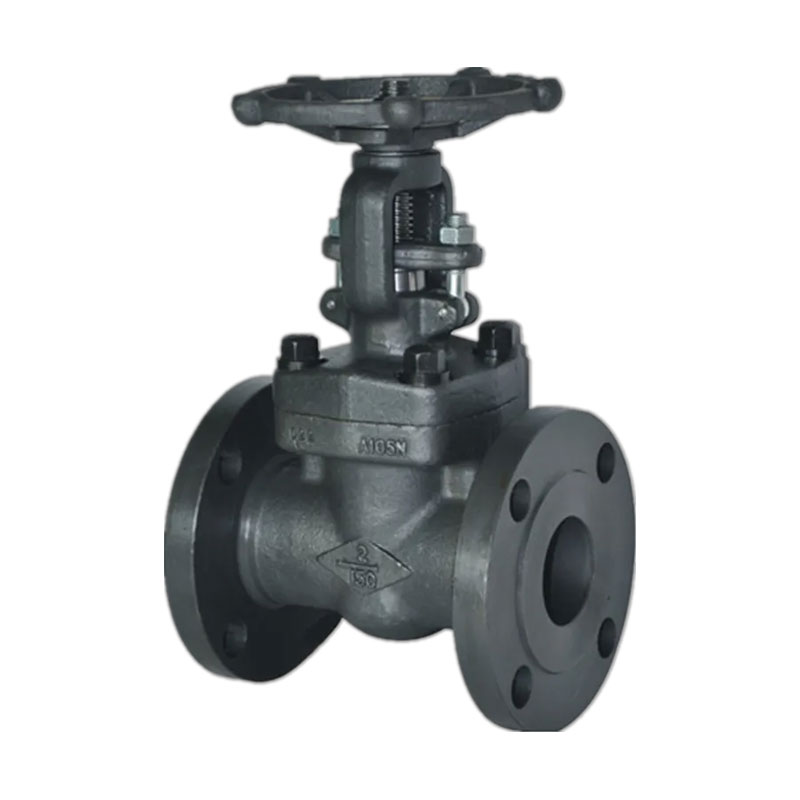
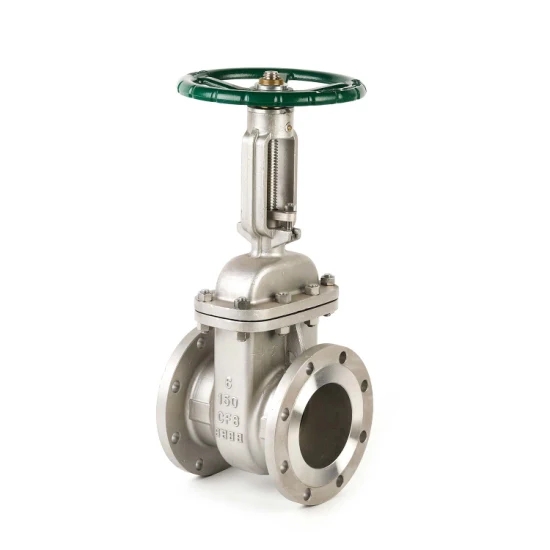
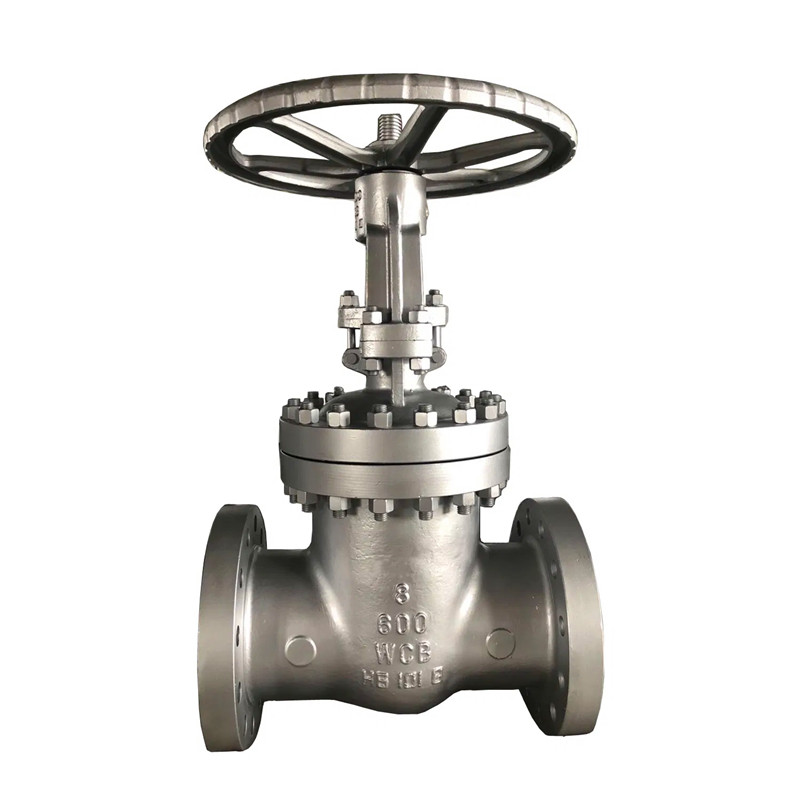
| Gate Valve | Good for throttling; less pressure drop | Slow operation, larger footprint |
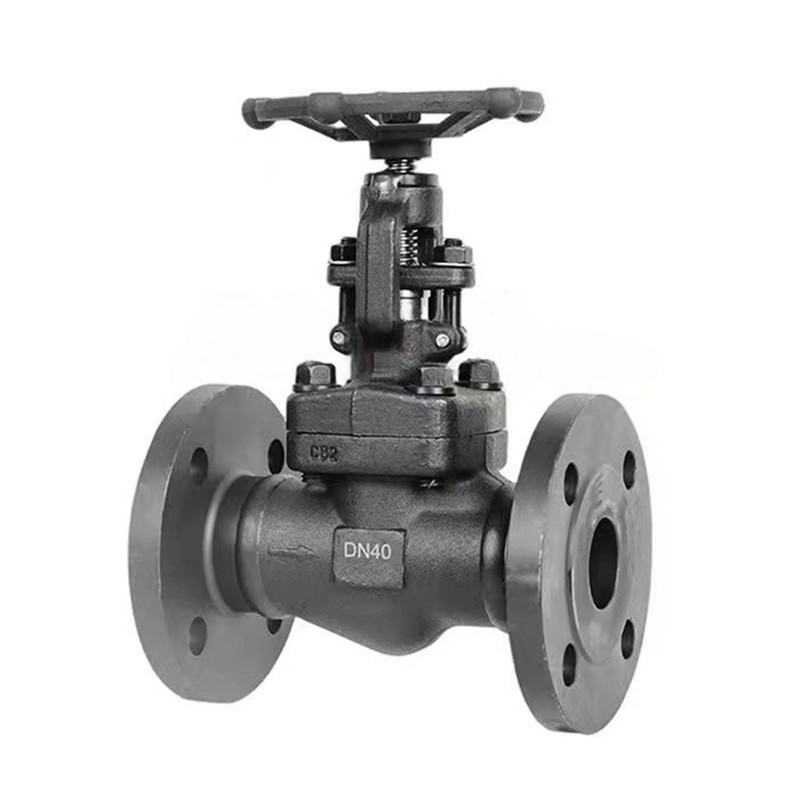
| Globe Valve | Precise flow control | High pressure drop, slower operation |
| API 6D Ball Valve | Fast operation, low pressure drop, easy maintenance | Higher initial cost |
The three-piece ball valve design often outperforms others in applications requiring quick shutoff, minimal leakage, and ease of maintenance.
5. Where Are These Valves Commonly Used?
API 6D three pieces fixed flange ball valves are widely used in:
- Oil and gas pipelines
- Petrochemical plants
- Refineries
- Power generation plants
- Water treatment and desalination facilities
The valves are especially preferred in pipelines with high-pressure or high-temperature conditions, where safety and reliability are critical.
6. How to Maintain an API 6D Ball Valve?
- Regularly inspect for leakage and corrosion.
- Lubricate the stem and seals as recommended by the manufacturer.
- Disassemble the three pieces for internal cleaning if performance drops.
- Replace worn-out seals and gaskets promptly.
- Ensure proper torque is applied when reassembling the valve.
Wenzhou Joepai Valve Co., Ltd. provides maintenance manuals and support to ensure maximum lifespan and optimal operation.
7. What Are the Common Installation Challenges?
While API 6D three pieces fixed flange ball valves are user-friendly, some challenges include:
- Ensuring proper alignment of the flange with the pipeline.
- Choosing the correct gasket and torque specifications.
- Handling the valve weight safely during installation.
- Verifying that pipeline pressure and temperature ratings are within the valve's capacity.
Professional guidance from suppliers like Wenzhou Joepai Valve Co., Ltd. can help overcome these challenges efficiently.
8. Frequently Asked Questions
Q1: What is the main difference between a three-piece and a two-piece ball valve?
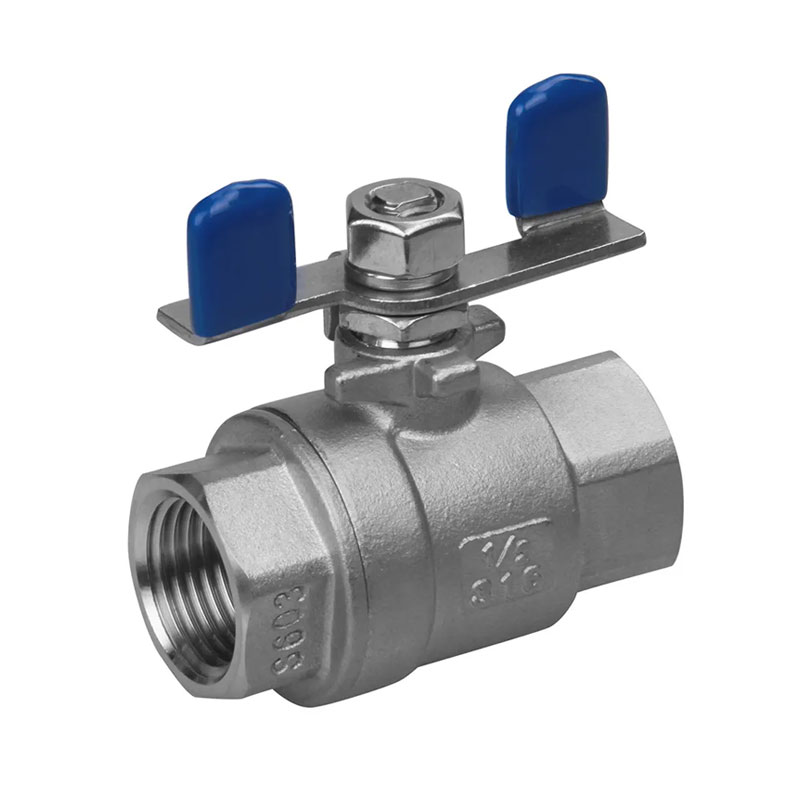
A: A three-piece valve allows full disassembly without removing the valve from the pipeline, while a two-piece valve usually requires pipeline disconnection for maintenance.
Q2: Can API 6D ball valves handle high-temperature steam?
A: Yes, depending on material selection and seal type. Stainless steel valves with PEEK or metal seals are suitable for high-temperature steam applications.
Q3: How often should the valve be inspected?
A: Inspection frequency depends on operating conditions, but a general guideline is every 6-12 months for high-pressure or high-temperature pipelines.
Q4: Are these valves customizable?
A: Yes. Wenzhou Joepai Valve Co., Ltd. provides customized solutions for size, material, pressure class, and end connections to match specific project requirements.
Interested in high-quality API 6D three pieces fixed flange ball valves? Contact us at Wenzhou Joepai Valve Co., Ltd. for expert guidance, customized solutions, and reliable delivery!